
Memory of the World Programme
UNESCO's Memory of the World Programme identifies, preserves and improves access to the world's documentary heritage, including manuscripts, archives, audio-visual records and other unique holdings.
Overview
The Memory of the World Programme is a global initiative coordinated by UNESCO that seeks to safeguard humanity's documentary heritage. Launched in the early 1990s, the programme recognizes the cultural, historical and evidential value of records held in archives, libraries, museums and other repositories, and promotes measures to protect them against loss, decay, disaster and neglect.
Image gallery
2 Images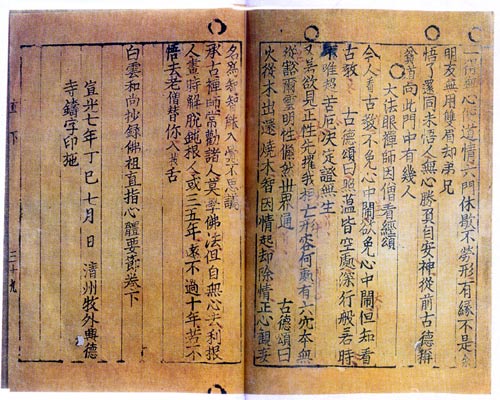

Purpose and scope
The programme aims to identify documentary materials of outstanding significance and to encourage their preservation, digitization and wider public access. Documentary heritage covers a broad range of formats: handwritten and printed manuscripts, official archives, film and sound recordings, photographic collections, oral history recordings and digital born content. Emphasis is placed both on conserving originals and on creating reliable copies or surrogates to reduce handling and to extend availability.
How it works
Governance involves national committees, expert advisers and an international body that evaluates nominations for recognition. Collections chosen for recognition may be entered on registers at international, regional or national levels. Nomination processes encourage professional documentation of significance, condition and custody, and they help mobilize support for conservation projects and capacity building.
Activities and examples
Typical activities supported or promoted by the programme include preventive conservation, disaster preparedness, digitization projects, cataloguing and training for archivists and librarians. The initiative also raises public awareness about documentary heritage and its role in identity, research and justice. Recognized items range from ancient manuscripts and sound archives to twentieth-century government records and community memory collections.
Significance and distinctions
Memory of the World is distinct from UNESCO's World Heritage Convention: it is focused specifically on documentary and archival material rather than on buildings or natural sites. Its practical impact lies in encouraging countries and institutions to improve care standards, secure funding, and increase access to long-neglected sources of historical evidence. The programme therefore acts both as a marker of significance and as a catalyst for preservation action.
Common categories of documentary heritage
- Manuscripts and rare books
- Government and legal records
- Photographic and film collections
- Oral histories and sound recordings
- Born-digital archives and databases
Questions and answers
Q: What is the Memory of the World Programme?
A: The Memory of the World Programme is a part of UNESCO that aims to preserve historical documents.
Q: What is the focus of the programme?
A: The programme focuses on archives and libraries.
Q: When did the UNESCO programme begin?
A: The UNESCO programme began in 1992.
Q: What does the programme promote?
A: The programme promotes the importance of historical documents.
Q: What is the aim of the programme?
A: The aim of the programme is to preserve history.
Q: What is the full name of UNESCO?
A: UNESCO stands for the United Nations Educational, Scientific and Cultural Organization.
Q: What is the significance of the Memory of the World Programme?
A: The significance of the Memory of the World Programme lies in its efforts to preserve historical documents as part of a larger strategy for preserving history.
Related articles
Author
AlegsaOnline.com Memory of the World Programme Leandro Alegsa
URL: https://en.alegsaonline.com/art/63749
Sources
- unesco.org : Programme background
- unesco.org : Programme objectives
- unesco.org : International Advisory Committee (IAC)
- unesco.org : Memory of the World Register
- unesco.org : UNESCO/Jikji Memory of the World Prize
- unesco.org : 2005 - The National Library of the Czech Republic
- unesco.org : 2007 - Phonogrammarchiv, Austrian Academy of Sciences
- unesco.org : 2009 - National Archives of Malaysia
- unesco.org : 2011 - National Archives of Australia