
Martha Gellhorn: Life and Career of a War Correspondent and Novelist
American novelist and one of the 20th century's foremost war correspondents, Martha Gellhorn reported from front lines around the globe and wrote fiction and reportage over a seven-decade career.
Martha Gellhorn (November 8, 1908 – February 15, 1998) was an American novelist and journalist best known for her eyewitness reporting from war zones and humanitarian crises. Over a long career she combined literary skill with dogged field work, writing books and articles that emphasized the human consequences of conflict. For background on her life see biographical summaries.
Image gallery
4 Images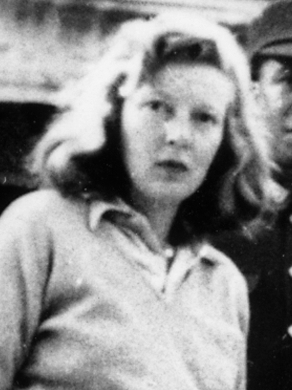


Career and reporting style
Gellhorn built a reputation as a frontline correspondent who sought out ordinary people rather than official spokespeople. She covered major 20th‑century conflicts beginning with the Spanish Civil War and continuing through World War II and later international crises. Her dispatches are noted for vivid scene‑setting, empathy with victims, and skepticism toward propaganda. Colleagues and later historians often cite her persistence in reaching battlefronts that others avoided.
Writings and publications
She was both a fiction writer and a reporter, publishing novels, short fiction and numerous pieces of reportage in magazines and newspapers. Her work includes standalone books and collections that mix reportage with personal observation. Readers interested in her literary output can find lists of her novels and major works alongside selected articles in many reference guides.
Personal life and influence
Gellhorn moved in international literary and journalistic circles and had relationships with other writers of her era; her marriage to Ernest Hemingway attracted public attention and influenced how some contemporaries viewed her work, though she maintained an independent reputation as a reporter. She is widely regarded as a role model for women in journalism, helping to open opportunities for female correspondents on the front lines.
Legacy and recognitions
Her reporting has been reprinted and studied for its craft and moral urgency. Journalism histories and courses cite her as an exemplar of immersive reporting that centers civilian experience. Collections of her letters and reporting continue to be used by scholars interested in war writing, gender in journalism, and 20th‑century history.
Death and later discussion
Martha Gellhorn died in February 1998 at the age of 89. Contemporary reports state that her death in London was the result of an overdose and was ruled a suicide; summaries of the circumstances are available through several reference sources and obituary retrospectives (details of her death and legacy). Her work remains influential and widely reissued.
- Areas she reported from: Spanish Civil War, World War II, and later 20th‑century conflicts and humanitarian crises.
- Genres: War correspondence, reportage, novels, short stories, travel writing.
- Notable qualities: Frontline immersion, narrative clarity, focus on civilians.
Related articles
Author
AlegsaOnline.com Martha Gellhorn: Life and Career of a War Correspondent and Novelist Leandro Alegsa
URL: https://en.alegsaonline.com/art/62310
Sources
- britannica.com : "Martha Ellis Gellhorn"