
Khomein: City of Central Iran and Birthplace of Ruhollah Khomeini
Khomein is a city in Markazi Province, Iran, known as the administrative center of Khomeyn County and the birthplace of Ruhollah Khomeini. It has historical, cultural, and agricultural significance.
Overview
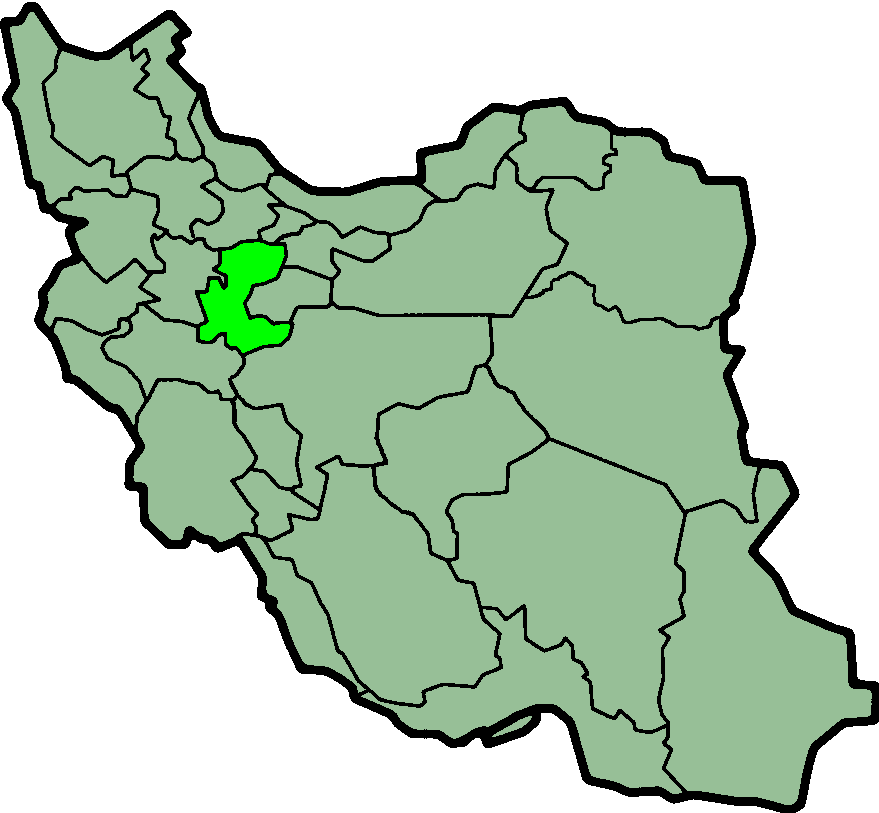
Khomein (Persian: خمين; also Romanized as Khomeyn, Khowmeyn, and Khūmaīn) is a city in central Iran that serves as the administrative center of Khomeyn County in Markazi Province. Located in the Iranian plateau, the city occupies a position within a region of rolling plains and low hills and functions as a local hub for government, trade and services.
Image gallery
3 Images

Geography and environment
Khomein lies in a semi‑arid part of Iran where seasonal rainfall and irrigation determine agricultural production. The surrounding countryside supports cereal cultivation, orchards and livestock rearing, and small streams and qanat systems have historically been important for local water supply. The climate features hot summers and cool winters typical of inland central Iran.
History and cultural significance
The town has a long, if largely local, history as part of central Persian territory under successive dynasties. Its most widely recognized distinction in the modern era is as the birthplace of Ayatollah Ruhollah Khomeini, the religious and political leader who played a central role in the 1979 Iranian Revolution. The house where he was born is preserved and visited by some as a site of historical interest and commemoration; contemporary references to the city often note this association (Ruhollah Khomeini).
Economy and infrastructure
The economy of Khomein is mixed. Agriculture and animal husbandry remain important in the rural districts around the city, while small manufacturing, workshops and local commerce support the town itself. Public services include municipal administration for Khomeyn County, basic healthcare and educational institutions that serve surrounding villages. Road links connect Khomein to larger centers in Markazi Province and beyond.
Demography and administration
At the 2006 census the city had a recorded population of 64,031 in 17,399 families, reflecting its role as a modest regional center. As an administrative capital it hosts local government offices and acts as the focal point for civic life in the county.
Notable features and visiting
Visitors to Khomein will typically encounter traditional bazaars, local mosques and modest museums or memorials related to local history. While it is not a major tourist destination in Iran, its cultural and historical links give it significance beyond its size. For further authoritative information about the city's name and administrative status see the Persian spelling and romanizations above and regional resources on Markazi Province.
Additional reading and official records can be consulted through regional archives and cultural heritage offices that document the town's development and notable sites. Local language sources and provincial publications provide the most detailed accounts of Khomein's past and contemporary life.
Related articles
Author
AlegsaOnline.com Khomein: City of Central Iran and Birthplace of Ruhollah Khomeini Leandro Alegsa
URL: https://en.alegsaonline.com/art/53250
Sources
- geonames.nga.mil : this link
- amar.org.ir : "Census of the Islamic Republic of Iran, 1385 (2006)"