
Margaret Lindsay — American film actress of the 1930s and 1940s
Brief encyclopedic profile of Margaret Lindsay, a Warner Bros. contract-era actress known for supporting and leading roles in 1930s–40s Hollywood, including The House of the Seven Gables.
Overview
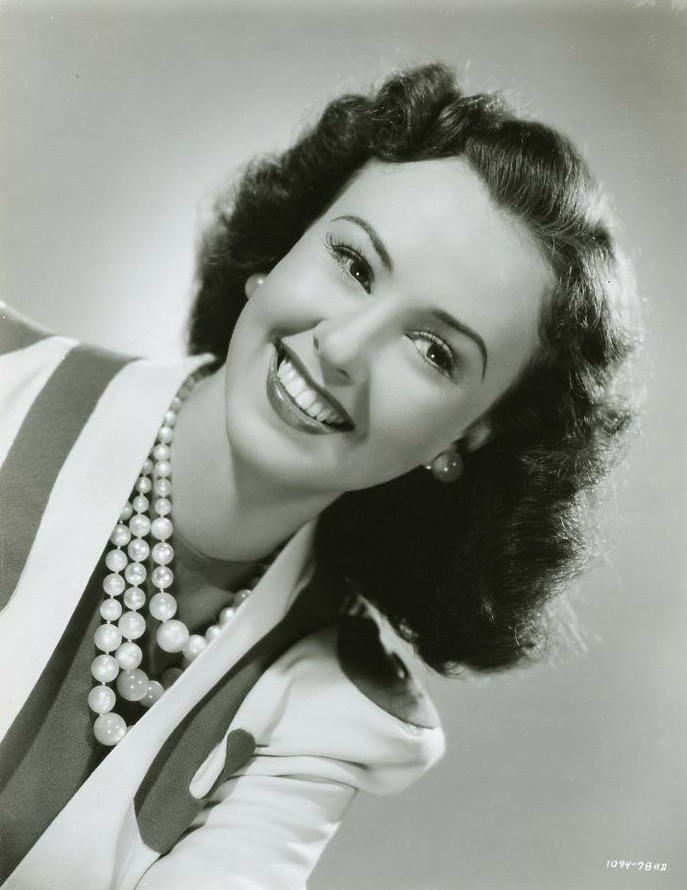
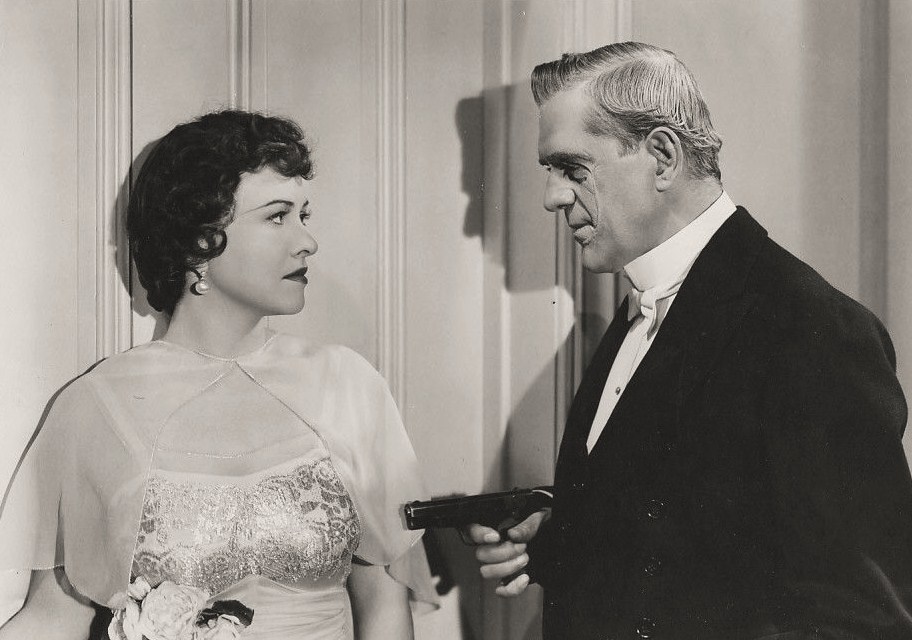
Margaret Lindsay (September 19, 1910 – May 9, 1981) was an American actress active in Hollywood primarily during the 1930s and early 1940s. She worked as a studio player for Warner Bros. and appeared in a mixture of major studio pictures and lower‑budget "B" films. Her screen credits include titles such as Jezebel and Fog over Frisco; one of her most discussed performances is in the 1940 film The House of the Seven Gables.
Image gallery
6 Images


Early life
Lindsay was born in Dubuque, Iowa. Her Midwestern origins were typical of many performers who came to Hollywood in the studio era. She moved into film work in the 1930s, when studios relied on contract players to fill a steady output of features across genres.
Career and screen persona
During her time under contract she was often cast in supporting or secondary lead parts—roles that required a composed, urbane presence. She divided her work between prestige productions and faster, economical programmers, a mix that kept her visible even if she rarely attained top billing. Lindsay’s screen work demonstrates the studio system’s practice of developing versatile repertory players who could be slotted into mysteries, melodramas and romance pictures.
Selected films
- Fog over Frisco (1934)
- Jezebel (1938) — supporting role in a high-profile production
- The House of the Seven Gables (1940) — frequently cited as a notable performance
- Various B pictures and studio features throughout the 1930s
Later life and legacy
After the peak years of her film work, Lindsay’s visibility diminished as Hollywood and audience tastes changed. She died in Los Angeles in 1981 from emphysema. Today she is remembered as a representative example of the studio-era character actress: a reliable performer whose body of work illustrates the breadth of films produced by the major studios and the role of contract players in classical Hollywood.
For further detail about her filmography and specific roles, consult specialized film reference works or archives that catalogue studio-era actors and their credits. Contemporary interest in her work tends to focus on the contrast between her roles in larger productions and the series of lower-budget pictures that sustained many working actors of the period.
Related articles
Author
AlegsaOnline.com Margaret Lindsay — American film actress of the 1930s and 1940s Leandro Alegsa
URL: https://en.alegsaonline.com/art/61744