
Jezebel (1938 film)
1938 American drama directed by William Wyler starring Bette Davis and Henry Fonda; a pre–Civil War story of social scandal, sacrifice, and redemption, preserved in the National Film Registry.
Overview
1938 Jezebel is an American dramatic feature directed by William Wyler and headlined by Bette Davis and Henry Fonda. The screenplay was adapted from a stage play by Owen Davis, Sr.. The film is best known for its central performance and its study of Southern social codes in the years immediately before the American Civil War.
Image gallery
10 Images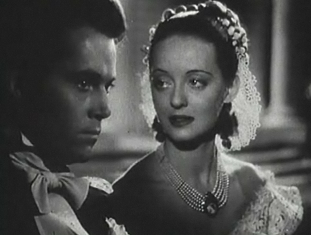




Setting, plot and themes
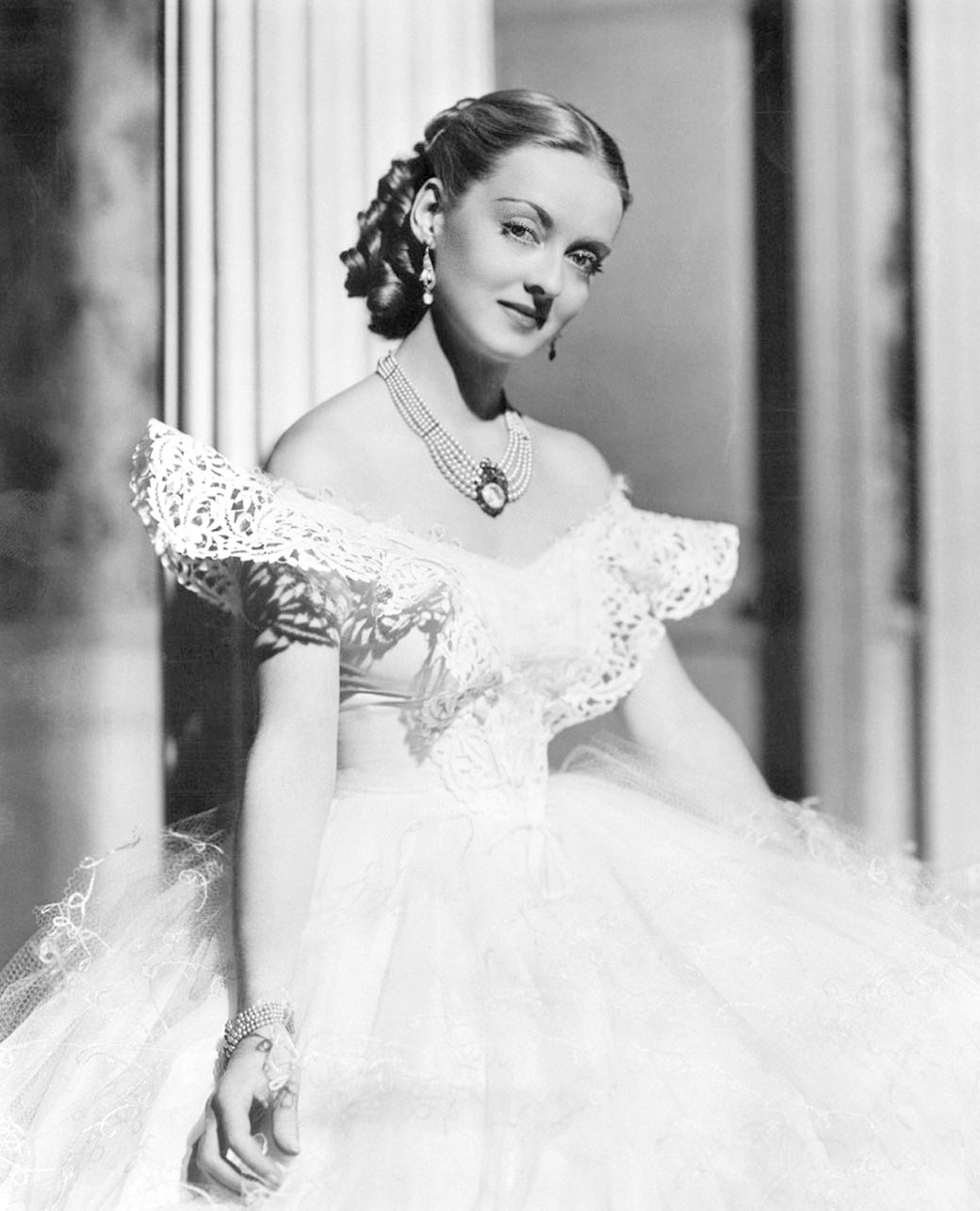
Set in antebellum Louisiana, the story follows Julie Marsden, a proud and impulsive young woman whose deliberate breach of local etiquette—most famously wearing a showy dress to a formal ball—alienates her fiancé, Preston Dillard. The personal consequences of that social misstep are compounded when a devastating yellow fever outbreak sweeps the region; Julie seeks to atone for her mistake by risking her life to care for others. Themes include pride, reputation, gender expectations, repentance and the moral pressures of tight-knit communities.
Cast, production and style
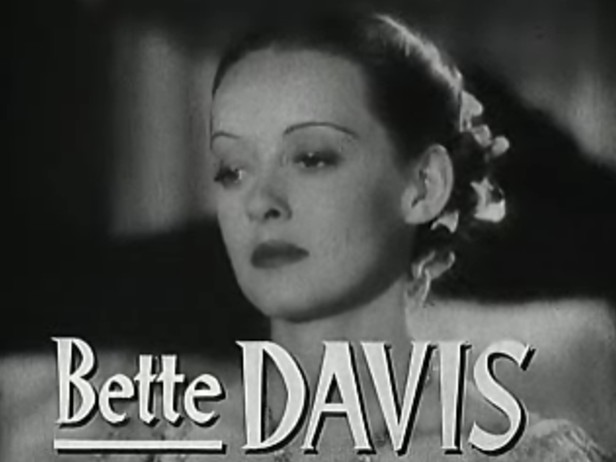
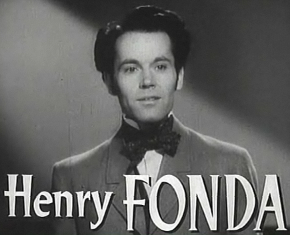
The principal cast is led by Bette Davis as Julie and Henry Fonda as her former suitor. The director’s restrained framing and attention to performance emphasize interpersonal tension rather than spectacle, while production design and costume choices highlight the contrast between public appearance and private feeling. The film’s dramatic centerpiece—the controversial dress and its fallout—has become a widely cited example of costume-driven symbolism in black-and-white cinema.
Reception and legacy
Upon release the film drew praise for its acting and emotional power. Bette Davis received the Academy Award for Best Actress for her portrayal, an honor that cemented the performance’s reputation. In recognition of its cultural and historical importance, the film was selected for preservation in the United States National Film Registry in 2009. Critics and scholars continue to reference Jezebel when discussing star performance, gendered social codes on screen, and Hollywood interpretations of Southern history.
Notable facts
- Adaptation: The screenplay draws on a preexisting stage play and alters some details for cinematic pacing.
- Period: Though set before the Civil War, the film reflects 1930s studio production values and moral attitudes.
- Location: The Louisiana setting is central to the plot’s social customs and the epidemic storyline.
- Co-star: Henry Fonda’s restrained performance provides a moral anchor opposite Davis’s more volatile heroine.
Jezebel remains a reference point in classic American cinema for its combination of star-driven acting, moral drama, and enduring images. For contemporary viewers it offers both a window into studio-era filmmaking and an examination of how personal pride and public reputation collide in a narrowly governed society. Further reading and archival materials can be found through film archives and scholarly retrospectives; for more general information see recommended resources and film histories available through major libraries and institutions (historical context, playwright, lead actress).
Related articles
Author
AlegsaOnline.com Jezebel (1938 film) Leandro Alegsa
URL: https://en.alegsaonline.com/art/50136