
Dubuque, Iowa — Mississippi River city and regional center
Dubuque, Iowa, is a historic city on the Mississippi River in northeastern Iowa. A regional center for commerce, education, and tourism, it is known for its riverfront, historic districts, colleges, and cultural attractions.
Overview
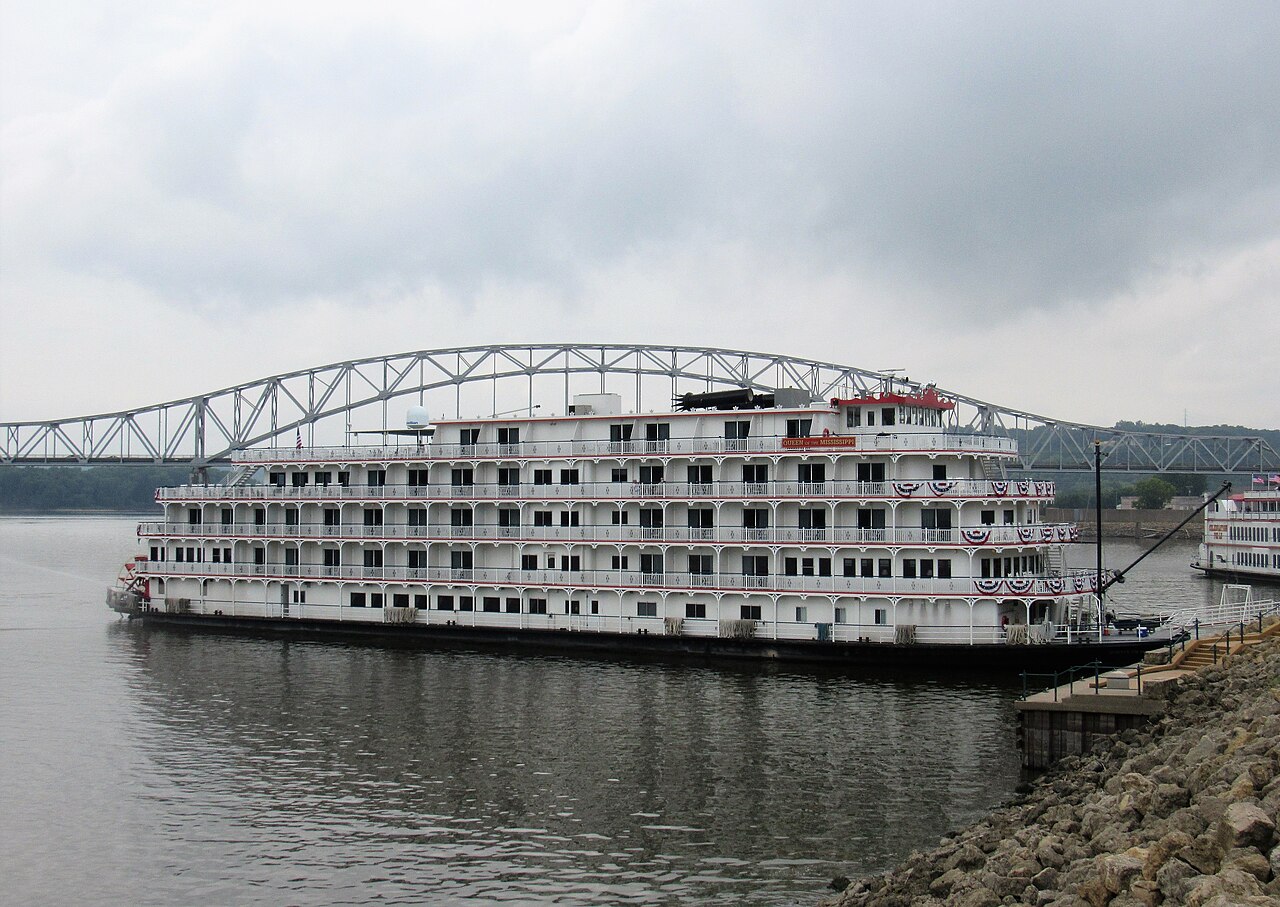
Dubuque is a city in northeastern Iowa, United States. Located on the banks of the Mississippi River, it serves as the largest city and commercial hub of its region. The city is home to roughly 59,667 residents according to commonly cited counts, and functions as a regional center for retail, healthcare, education, and river-related activity. Its riverfront location and surrounding bluffs define much of the local character.
Image gallery
10 Images




History and development
European settlement in the area began in the early 19th century; the city takes its name from Julien Dubuque, a French-Canadian trader who established a settlement and worked with local indigenous groups. Over time Dubuque grew from a frontier trading post and lead-mining area into an established municipality with a compact historic downtown and 19th-century architecture. Its position on the Mississippi made it a natural point for transport, commerce, and later industrial development.
Culture, landmarks, and districts
Dubuque preserves a variety of cultural attractions and historic neighborhoods. Notable features include riverfront parks and museums, restored commercial buildings in the downtown district, and public viewpoints on the bluffs. The city's cultural life is supported by museums, performing arts venues, and seasonal festivals that draw visitors from the wider region.
Economy and education
The local economy is diverse: manufacturing, health care, education, retail, and tourism are important employers. Several colleges and universities are located in or near the city, contributing to local research, workforce training, and cultural activity. River transportation and recreational boating remain visible parts of the economy and community life.
Notable facts and visitor highlights
- Scenic riverfront and bluff landscapes that shape local recreation and views.
- Historic downtown architecture and districts that reflect 19th- and early-20th-century growth.
- Institutions and museums interpreting river history, regional industry, and local heritage.
Dubuque combines its riverine setting and historic roots with a modern role as a regional center. For visitors and residents alike, the mix of outdoor access, architectural character, and civic institutions defines much of the city's appeal. For general information and services about the city and region see local guides and municipal resources referenced by area organizations and tourism offices.
External resources and further reading are often available through municipal pages and regional cultural institutions; for official or tourism details consult relevant local listings and visitor centers.
Related articles
Author
AlegsaOnline.com Dubuque, Iowa — Mississippi River city and regional center Leandro Alegsa
URL: https://en.alegsaonline.com/art/29104