
Marcha Real (The Royal March) — Spain's instrumental anthem
Marcha Real is the historic instrumental anthem associated with Spain, first published in 1761. It has no officially adopted lyrics since 1978; a 2007 public contest failed to produce new words.
Overview
Marcha Real, literally "The Royal March," is the ceremonial piece long associated with the Spanish state. First published in 1761, it is best known today as an instrumental national anthem connected with Spain. Unlike most anthems, the official form consists only of music; words have not been part of the constitutional version since 1978.
Image gallery
1 Image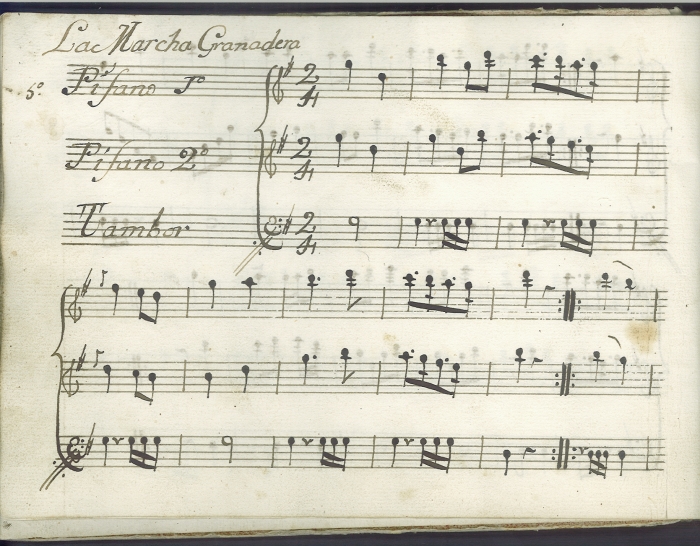
Musical character
The Marcha Real is a short, stately march written to be played by military and ceremonial bands. Its melody is formal and easily recognizable, designed to accompany flag ceremonies, formal arrivals and state occasions. Because it is normally performed without singing, the emphasis is on orchestral and band arrangements rather than vocal presentation of the music.
History and development
The tune appeared in print in the mid‑18th century and became associated with royal and later national ceremonies. During the period when Francisco Franco held authority in Spain, new lyrics were introduced and used in official contexts. After the democratic transition and the adoption of the 1978 constitution, those words ceased to be official and the anthem reverted to an instrumental status.
Use, contests and public debate
The Marcha Real is played at state ceremonies, sporting events, diplomatic receptions and moments of national commemoration. In the early 21st century there were public efforts to provide sung words that might broaden public connection with the anthem; notably a 2007 competition sought new lyrics but did not result in an official change. Debates about whether to adopt words, and what their content should be, reflect differing views about national identity, history and regional diversity.
Notable distinctions
Because it has no constitutionally sanctioned text, Marcha Real is among a small number of national anthems worldwide performed as purely instrumental pieces. That unusual status makes the anthem a frequent subject of commentary in discussions of national symbols and comparative anthems in the world. Its long history and ceremonial function continue to make it a prominent element of Spanish public life.
- First published: 1761 (appearance in print)
- Current official form: instrumental only
- Notable events: Franco-era lyrics introduced, withdrawn after 1978
- Public engagement: 2007 contest for lyrics, no official adoption
Related articles
Author
AlegsaOnline.com Marcha Real (The Royal March) — Spain's instrumental anthem Leandro Alegsa
URL: https://en.alegsaonline.com/art/61646