
Bulacan (Province in the Philippines)
Bulacan is a Central Luzon province of the Philippines with capital Malolos. It is noted for its historic role in the nation’s founding, cultural crafts, agriculture, and fast-growing towns near Metro Manila.
Overview

Image gallery
10 Images




Geography and administration
Bulacan is bordered by several provinces: Pampanga to the west, Nueva Ecija to the north, Aurora and Quezon provinces to the east, and the greater Metro Manila area to the south. Administratively it comprises cities and municipalities, with Malolos serving as the provincial seat. Its location places parts of Bulacan within commuting distance of the national capital, influencing land use and growth patterns.
History and significance
Bulacan has an important place in Philippine history. During the late 19th century the province played a central role in the independence movement against Spanish rule. Malolos was the site of the Malolos Congress and the proclamation of the First Philippine Republic; Barasoain Church in Malolos remains a symbol of that era. Across centuries the province has been a source of political leaders, writers and revolutionaries who influenced national affairs.
Economy, culture and crafts
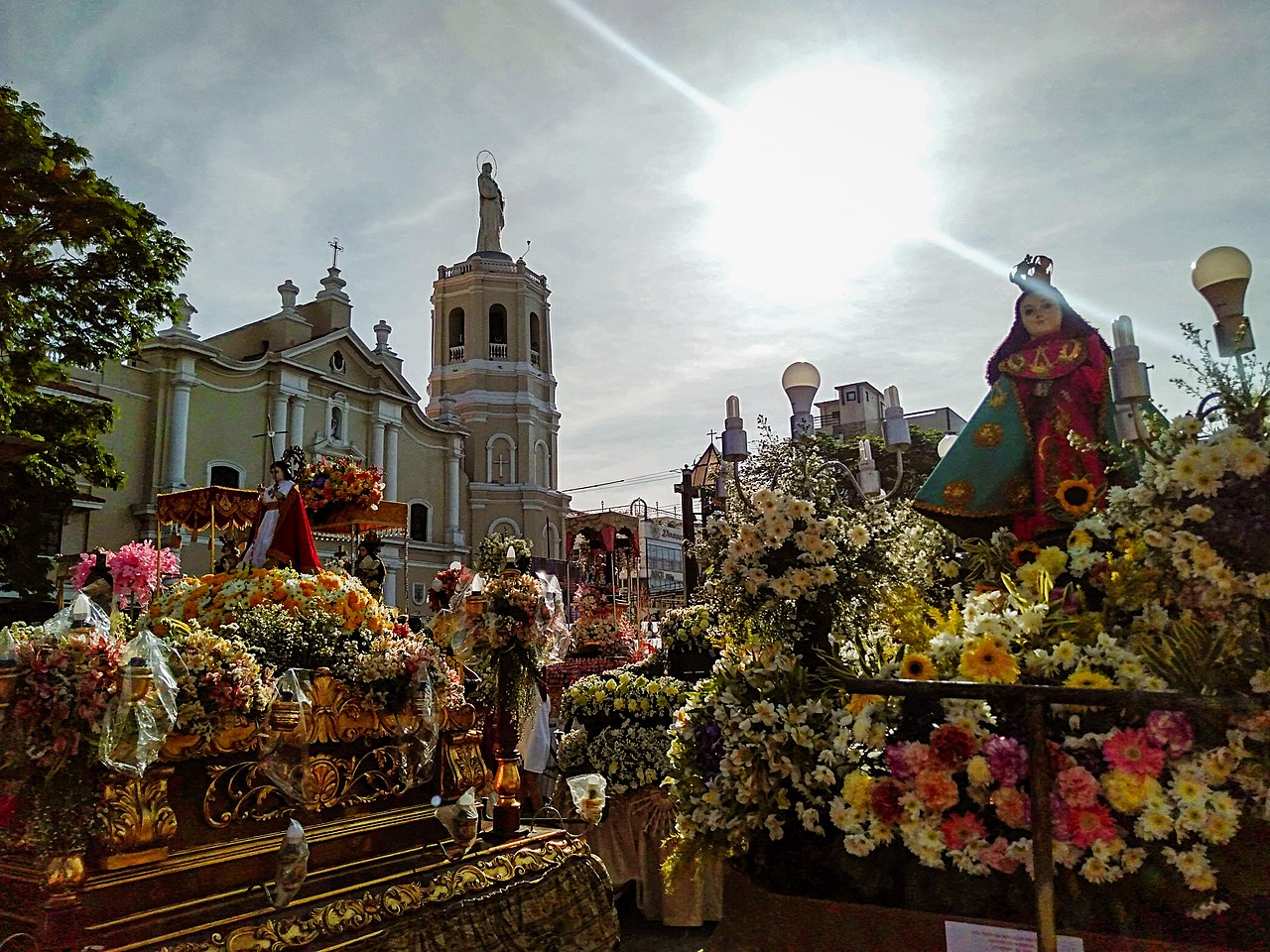
The province’s economy blends agriculture, manufacturing and services. Farming—particularly rice and other crops—remains important in many towns, while other areas host metalwork, jewelry and small-scale manufacturing. Bulacan is also known for traditional crafts and food products: artisans produce decorative handicrafts and local sweets that are popular across the Philippines. Cultural events and religious festivities continue to shape community life.
Notable places and examples
- Malolos City – historic capital and site of Barasoain Church.
- Meycauayan – long associated with jewelry and leather industries.
- Historic towns – several municipalities preserve colonial churches, ancestral houses and local festivals that attract visitors.
Modern developments and distinctions

Related articles
Author
AlegsaOnline.com Bulacan (Province in the Philippines) Leandro Alegsa
URL: https://en.alegsaonline.com/art/15210