
Andrés Bonifacio: Leader of the Philippine Revolution
Andrés Bonifacio (1863–1897) was a Filipino revolutionary who founded the Katipunan and led early uprisings against Spanish rule; he served as head of the revolutionary government before his controversial trial and execution.
Andrés Bonifacio (30 November 1863 – 10 May 1897) was a Filipino nationalist, organizer, and military leader best known for founding the Katipunan, a secret society that initiated the Philippine Revolution against Spanish colonial rule in 1896. Born into a working-class family in Tondo, Manila, Bonifacio became a clerk and laborer whose self-education and exposure to liberal and reformist ideas shaped his commitment to independence.
Image gallery
7 Images
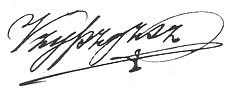


Biography and early activism
Bonifacio’s early life was marked by limited formal schooling and early responsibility after the death of his parents. He worked in small trades and pursued reading on history and political thought, absorbing ideas circulating among Filipino reformists and expatriates. Disenchanted with peaceful reform under the colonial system, Bonifacio helped transform nationalist sentiment into organized resistance.
Katipunan and revolutionary leadership
In 1892 Bonifacio and other activists established the Kataastaasan, Kagalanggalangang Katipunan ng mga Anak ng Bayan (commonly called the Katipunan), dedicated to independence through armed revolt. Under his leadership the society grew rapidly, recruiting members across Manila and nearby provinces and preparing for coordinated uprisings. When hostilities began in 1896, Bonifacio emerged as one of the principal organizers and leaders of early military actions.
As revolution progressed, competing factions and regional leaders produced tensions over command, strategy, and political authority. In 1897 a revolutionary convention created a rival government structure. Bonifacio presided briefly over a provisional revolutionary government recognized by supporters, but disputes with other leaders—most notably Emilio Aguinaldo—led to his arrest, a contested trial by a revolutionary court, and execution in May 1897. Debates about the legality and fairness of his trial, and about his exact role in events, have continued among historians.
Legacy and significance
Bonifacio is remembered as a symbol of grassroots resistance and popular nationalism. Monuments, commemorations, and public institutions in the Philippines honor his role in initiating the struggle for independence. His life is often contrasted with other revolutionary figures to illustrate divisions within the independence movement and the complex transition from secret society to formal government.
- Founder: Established the Katipunan, which catalyzed the 1896 revolution.
- Leadership: Served as head of a provisional revolutionary government in 1896–1897.
- Controversy: His arrest and execution remain subjects of historical debate.
- Commemoration: Widely commemorated in Filipino history, education, and public memorials.
For more detailed biographical sources and primary documents related to his life and the Katipunan, see further reading.
Tags
Related articles
Author
AlegsaOnline.com Andrés Bonifacio: Leader of the Philippine Revolution Leandro Alegsa
URL: https://en.alegsaonline.com/art/3992