
Manzanar — World War II Japanese American relocation center
Manzanar was one of the U.S. War Relocation Authority camps that confined people of Japanese ancestry during World War II. Today it is preserved as a National Historic Site and a symbol of civil liberties lessons.
Overview
Manzanar was one of several American camps used to detain people of Japanese ancestry during World War II. Often called an "internment camp" in public discussion, the site held thousands of evacuees after forced removal from the West Coast under wartime orders; the term internment is commonly used in accounts of this period. Located in a high desert valley, Manzanar is now treated as a place of memory and public interpretation.
Image gallery
10 Images



Location and origins
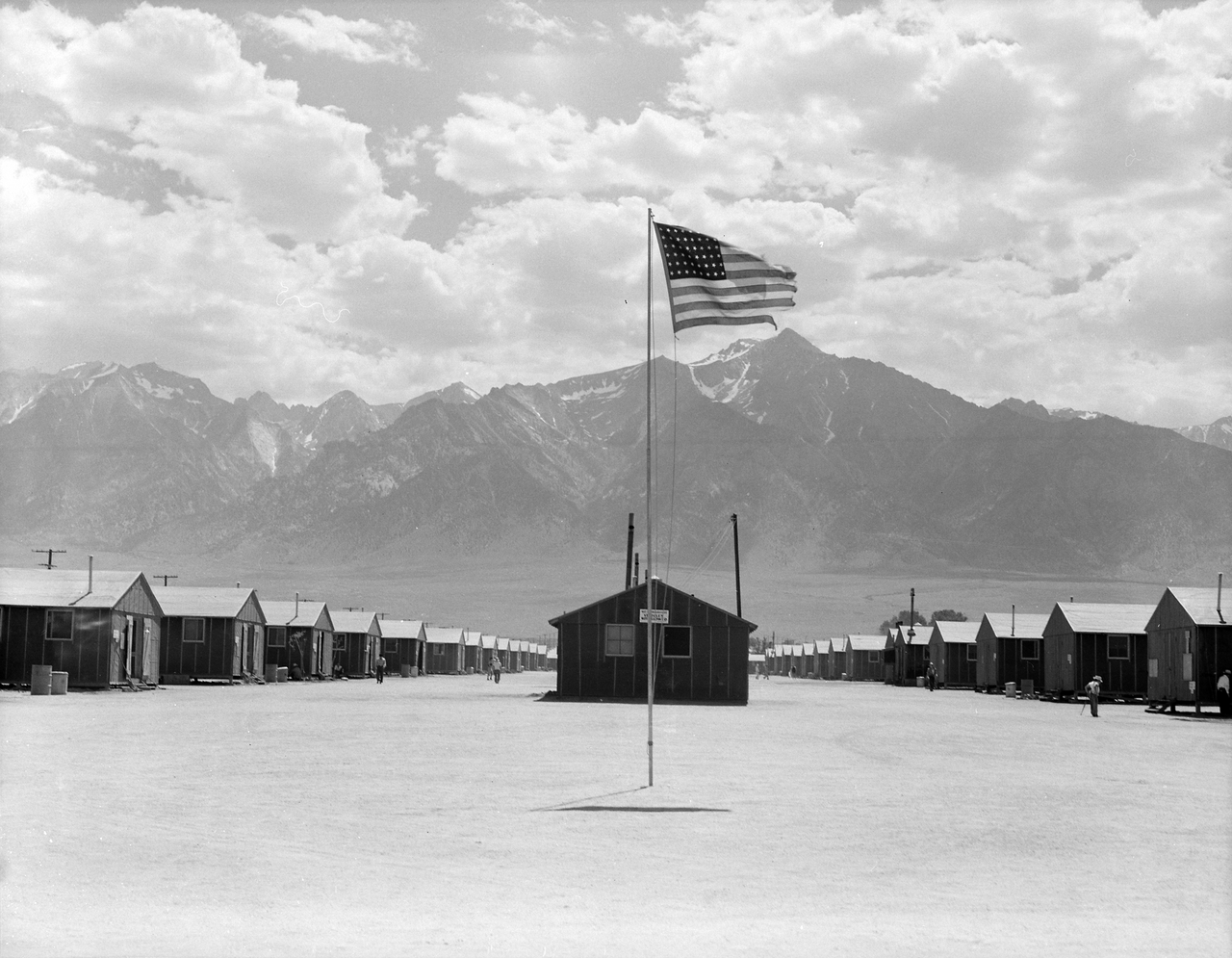
Manzanar sits near Lone Pine, California, in the eastern Sierra Nevada foothills, in a desert area often associated with Death Valley landscapes. Many of the people who were sent to Manzanar had lived in urban communities farther west, including large numbers uprooted from Los Angeles and other California cities. The camp opened in 1942 following Executive Order 9066 and closed after the war in 1945.
Layout and daily life
The camp consisted of long, utilitarian barracks, communal mess halls, latrines, schoolrooms and administrative buildings, all laid out in a grid. Perimeter fencing, guard towers and military guards restricted movement. Residents improvised community structures—schools, sports leagues, gardens and newspapers—to sustain daily life despite overcrowding, cold winters, hot summers and limited privacy.
Events and developments
Tensions over conditions, loyalty questions and treatment contributed to protests and conflicts at Manzanar and other camps. The site operated under the wartime War Relocation Authority from 1942 until its closure in 1945, when most former residents dispersed back into American communities or moved elsewhere. The experience of wartime removal and confinement prompted decades of debate about civil liberties, citizenship and government authority.
Preservation and legacy
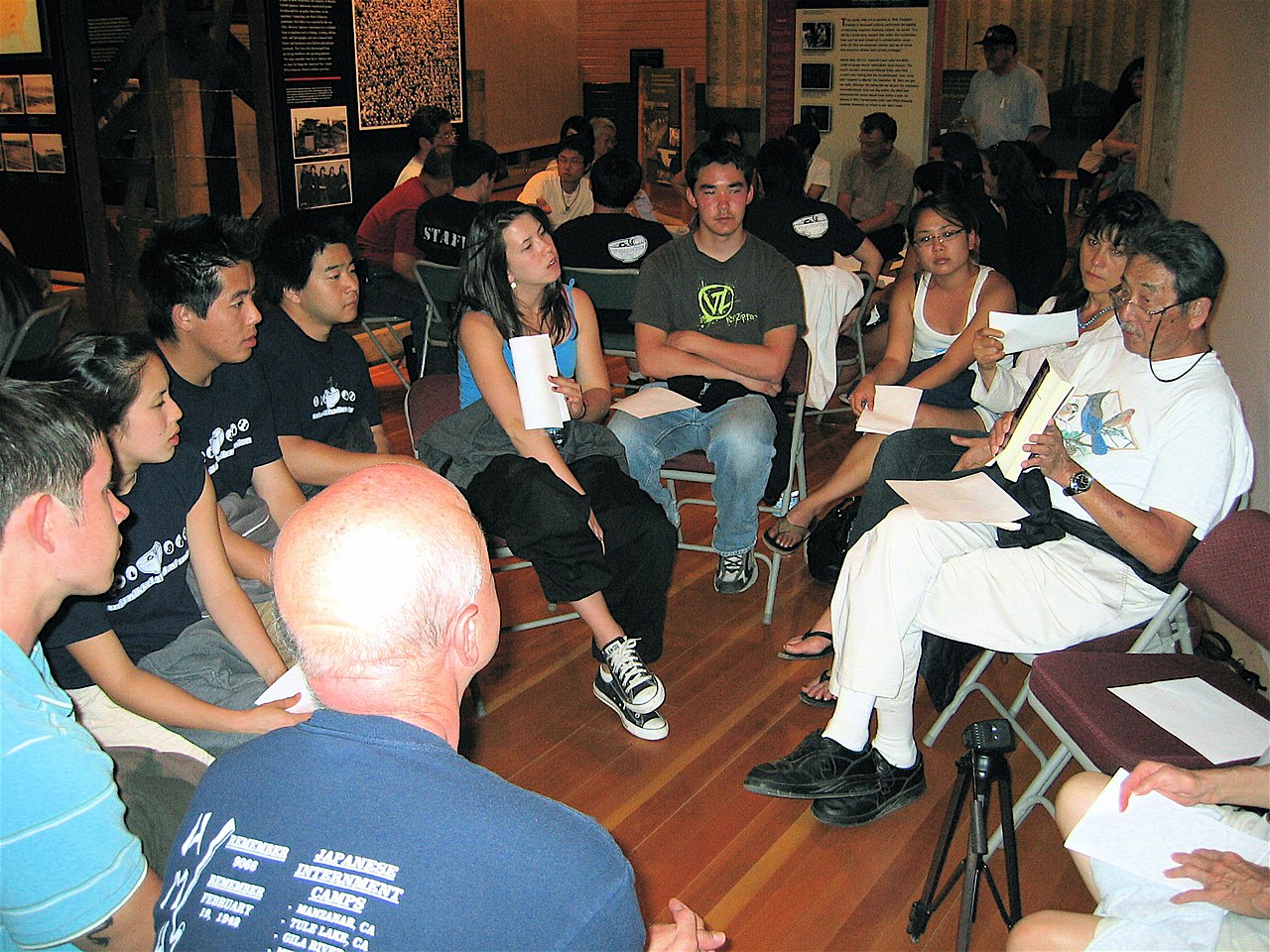
After years of advocacy, Manzanar was set aside for preservation and public interpretation; it became a federally recognized historic site in the late 20th century. Today the preserved landscape, interpretive exhibits, a reconstructed guard tower and a cemetery help visitors understand the camp's physical realities and human stories. Manzanar figures prominently in discussions about constitutional rights, wartime policy and subsequent redress efforts.
Significance
Manzanar is remembered both for the hardships endured by its residents and for the larger lessons about prejudice, national security and the protection of civil liberties during crisis. As a public historic site it hosts educational programs, ceremonies and research that keep this chapter of American history visible for new generations.
Further reading on internment · Regional context · Communities affected
Related articles
Author
AlegsaOnline.com Manzanar — World War II Japanese American relocation center Leandro Alegsa
URL: https://en.alegsaonline.com/art/61492