
Marajó: Brazil’s largest river island at the Amazon mouth
Marajó is a large river island in Brazil’s Pará state at the mouth of the Amazon, noted for seasonal flooding, rich wetlands, a distinctive pre-Columbian culture and a rural economy based on fishing, cattle and ceramics.
Overview
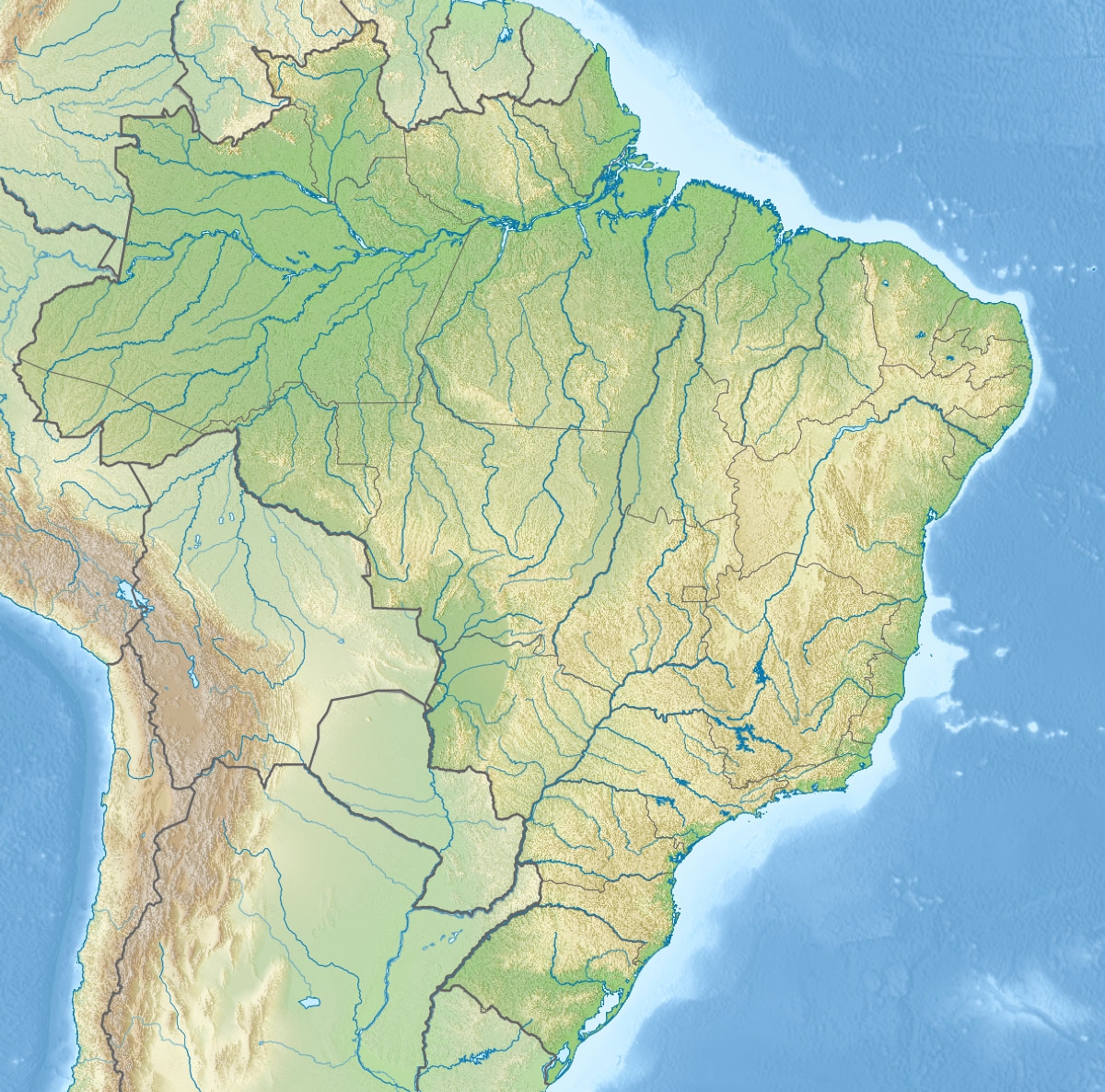
Marajó is a vast river island located at the mouth of the Amazon River and belongs to the state of Pará in Brazil. Often described as the world’s largest fluvial island, it covers about 40,100 km² — an area comparable to Switzerland. The island is nearly surrounded by freshwater and is shaped by tidal and river currents that define its coastline and interior floodplains.
Image gallery
8 Images



Geography and climate
Marajó sits where the Amazon spreads into an estuarine complex of channels, lakes and marshes. Large portions of the island are seasonally inundated during the wet season when river and rainfall levels rise; vast plains become temporary lagoons. The climate is tropical, with high humidity, warm temperatures year-round and a pronounced rainy season that drives the island’s flood dynamics.
Ecology and landscape
The island’s ecosystems include flooded savannas, mangroves along some coasts, freshwater lakes and patches of forest. These habitats support diverse fish, birds and aquatic mammals and make Marajó important for regional biodiversity. Many areas are used as grazing land when dry and become important fish-rearing habitats when submerged.
History and culture
Marajó has a long human history. Before European contact, the island is known for the Marajoara culture, distinguished by elaborately decorated pottery, mound-building and complex social organization. Archaeological evidence suggests that intensive habitation and landscape modification occurred centuries before colonization, leaving earthen mounds and ceramic traditions that survive in local craft forms.
Economy, towns and transport
The island’s population is concentrated in towns on the southeast such as Soure, Salvaterra and the largest urban center, Breves. Economies are largely rural: fishing, small-scale agriculture, cattle ranching and traditional ceramics are important livelihoods. Transport relies heavily on waterways and seasonal boat connections; road access is limited in much of the interior.
Conservation and significance
Marajó faces environmental and social challenges common to Amazonian frontiers: land-use change, pressures from cattle expansion, and management of seasonal floods. At the same time the island is significant for understanding pre-Columbian societies, for supporting migratory and resident wildlife, and for illustrating how human livelihoods adapt to a dynamic riverine environment. For more general orientation see an overview page about the island and regional resources available online or at local institutions, which discuss conservation, archaeology and community life in greater detail.
Questions and answers
Q: Where is Marajó located?
A: Marajó is located in Brazil at the mouth of the Amazon River.
Q: What state is Marajó a part of?
A: Marajó is a part of the state of Pará.
Q: How large is Marajó?
A: Marajó has a land area of 40,100 km² (15,500 sq mi), which is similar in size to Switzerland.
Q: What surrounds Marajó?
A: Marajó is almost completely surrounded by fresh water.
Q: What happens during the wet season on Marajó?
A: Large parts of the island are flooded during the wet season because of higher water levels of the Amazon River.
Q: Where are the most important towns on Marajó located?
A: The most important towns on Marajó are in the southeast of the island: Soure, Salvaterra, and the largest city, Breves.
Q: What are the names of the most important towns on Marajó?
A: The most important towns on Marajó are Soure, Salvaterra, and the largest city, Breves.
Related articles
Author
AlegsaOnline.com Marajó: Brazil’s largest river island at the Amazon mouth Leandro Alegsa
URL: https://en.alegsaonline.com/art/61536
Sources
- britannica.com : "Marajó Island | island, Brazil"
- basilio.fundaj.gov.br : "Marajó Island"
- tools.wmflabs.org : 0°59′S 49°35′W / 0.983°S 49.583°W / -0.983; -49.583