
Al‑Hallaj: Persian Sufi Mystic, Poet, and Controversial Martyr
Overview of Mansur al‑Hallaj (c. 858–922), his life in Shushtar and Baghdad, Sufi teachings and writings, trial and execution, and his long influence on Islamic mysticism and literature.
Overview
Abu al‑Mughith Husayn ibn Mansur al‑Hallaj (commonly al‑Hallaj) was a Persian-born Sufi mystic, poet and teacher active in the late 9th and early 10th centuries. Born near Shushtar in what is now Iran, he became one of the most famous and controversial figures in early Islamic mystical history. His ecstatic expressions of union with the divine and his public teaching attracted a devoted following but also strong opposition from legal scholars and political authorities.
Image gallery
3 Images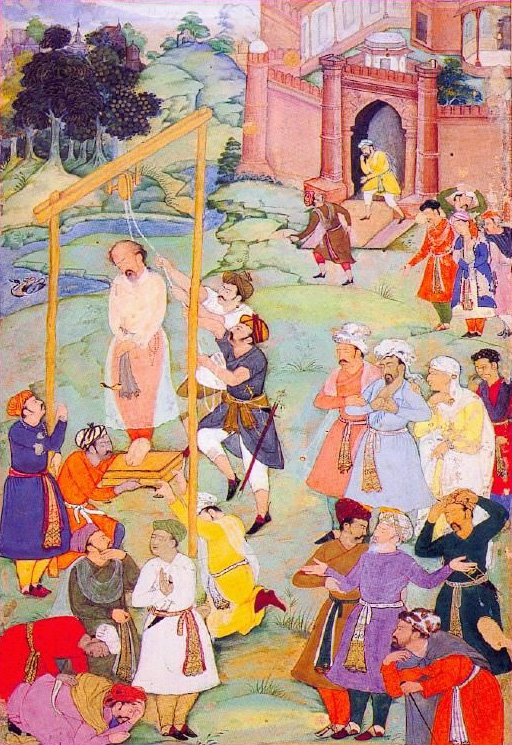


Life and career
Al‑Hallaj spent his youth memorizing the Qur'an and later moved to Baghdad, then a major intellectual and spiritual center. He travelled, taught Sufi practices, and preached to mixed urban audiences. Accounts record that he was imprisoned for a long period—often cited as around eleven years—before being tried and executed under Abbasid authority in 922. Traditional narratives describe harsh treatment and public execution, which made his death a lasting symbol of mystical martyrdom.
Teachings and writings
Al‑Hallaj is best known for his mystical utterances, the most famous being the phrase reported as "Ana al‑Haqq" (I am the Truth), which some listeners took as a claim to divinity and orthodox jurists viewed as blasphemous. His language combined Quranic imagery, parable and ecstatic poetry, emphasizing intimate union with God and the annihilation of the ego.
- Surviving works and fragments are transmitted in later Sufi collections and include devotional poems and prose reflections.
- Some texts traditionally associated with him, such as parts of the Kitab al‑Tawasin, circulated among later mystics and commentators.
Controversy and trial
The reasons for al‑Hallaj's condemnation were complex, involving theological disputes over his claims, the political concerns of Abbasid authorities, and tensions between popular piety and legal orthodoxy. His case is often cited as an example of how ecstatic spirituality could collide with institutional religion and state power. Contemporary and later historians debate the precise legal charges and the extent to which political motives influenced the verdict.
Legacy and influence
Al‑Hallaj became a powerful symbol for many later Sufis and writers: a model of love‑driven devotion and suffering, and a cautionary figure about the risks of mystical speech. His life inspired poetry, hagiography and scholarly debate across the Islamic world. Readers encounter him today as a formative, if contested, personality in the history of Islamic mysticism and literature.
Further reading
Selected resources and translations provide entry points to al‑Hallaj's thought and historical context: biographical overview, studies of his poetry, manuscript collections, analyses of his trial, historical background on Shushtar, studies of Sufism in Baghdad, and modern interpretations.
Note: Many details about al‑Hallaj's life are preserved through later hagiographical and legal sources; scholars treat some reports with caution because the narratives were shaped by subsequent religious and political agendas.
Related articles
Author
AlegsaOnline.com Al‑Hallaj: Persian Sufi Mystic, Poet, and Controversial Martyr Leandro Alegsa
URL: https://en.alegsaonline.com/art/61425