
Manuel Belgrano
Argentine lawyer, economist, politician and military leader (1770–1820), creator of the national flag and a key figure in the May Revolution and the wars of independence.
Overview
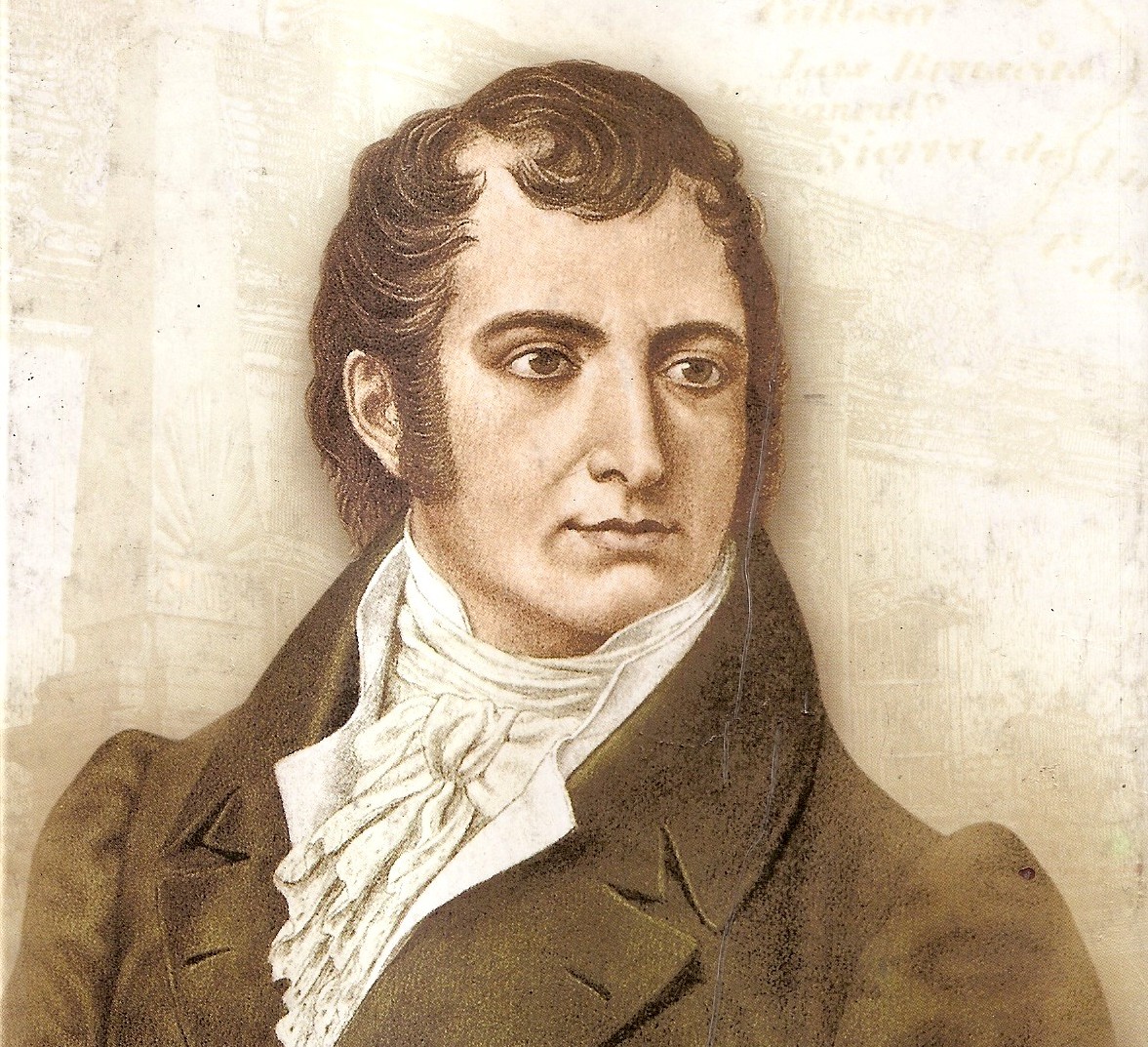
Manuel José Joaquín del Corazón de Jesús Belgrano (3 June 1770 – 20 June 1820) was an Argentine lawyer, economist, journalist, politician and military commander. He is widely remembered as the creator of the blue-and-white national flag and as an influential actor in the political and military events that led to independence from Spanish rule in the Río de la Plata region. Belgrano combined administrative service, economic ideas and military leadership during a formative period in the region's history.
Image gallery
10 Images




Early life and education
Belgrano was born in Buenos Aires into a family of Italian and criollo descent. His father, Domenico Belgrano Peri, came from Italy; his mother, María Josefa González Casero, belonged to a local family. He received a classical education that included Latin, philosophy and political economy and later completed legal studies at the Spanish universities of Salamanca and Valladolid. While in Europe he encountered Enlightenment thought and practical reforms in commerce and public administration, influences that informed his later proposals for education, agriculture and industry in his native territory.
Political engagement and the May Revolution
On returning to Buenos Aires, Belgrano entered public administration and became involved in local reform projects. He took part in the events of May 1810 that culminated in the formation of the Primera Junta, the first local government that replaced direct Spanish control in the viceroyalty. His role combined political service with practical initiatives aimed at economic improvement and civic education. Further reading on the political context is available through May Revolution summaries and biographical material at biographical sources.
Military career and the Army of the North
Belgrano assumed military command in campaigns launched from the Río de la Plata toward Upper Peru (present-day Bolivia). He led the Army of the North in a series of engagements that included notable victories and serious defeats. Among his important successes were the victories at Tucumán and Salta, which halted royalist advances and boosted morale; among the setbacks were costly campaigns such as Vilcapugio and Ayohuma, fought under difficult logistical conditions and political constraints. His military efforts were often hampered by shortages of men, equipment and cohesive support from distant provinces.
The flag and civic reforms
Belgrano designed and raised the blue-and-white banner that became the national flag on 27 February 1812; the event and the emblem soon acquired strong symbolic value for the independence movement. Beyond military matters, he promoted education, practical vocational training, improvements in agriculture and public hygiene, and measures to stimulate trade and local industry. He championed freedom of expression and administrative reforms consistent with the Enlightenment currents that shaped many leaders of independence in the Americas. See additional information on the symbol at flag information.
Relations with other leaders
Belgrano interacted with contemporaries such as José de San Martín and others who led separate campaigns for independence across South America. These encounters reflected attempts to coordinate strategies across different theaters of conflict and to reconcile political differences among provinces and revolutionary authorities. For context on San Martín and cooperative efforts among independence leaders see San Martín.
Death, memory and legacy
Belgrano died in relative poverty on 20 June 1820. He did not leave legitimate descendants and his final years were marked by personal austerity despite his prominent public service. In Argentina he is commemorated as a founding figure: his portrait, name and the flag he created appear in monuments, schools, currency and national ceremonies. His advocacy for education, economic modernization and civil liberties is frequently cited by historians as part of his lasting contribution to the republic's institutional foundations.
Key dates and roles
- Born: 3 June 1770 in Buenos Aires, Argentina.
- Member of the Primera Junta: 1810.
- Raised the national flag: 27 February 1812 (flag information).
- Victories at Tucumán and Salta: 1812–1813.
- Died: 20 June 1820.
Further reading: For primary documents and curated collections consult general biographical repositories and historical overviews at biographical sources and regional archives concerned with Buenos Aires and national history in Argentina. For the broader revolutionary context see accounts of the May Revolution and biographies of contemporaries such as José de San Martín.
Related articles
Author
AlegsaOnline.com Manuel Belgrano Leandro Alegsa
URL: https://en.alegsaonline.com/art/61456