
Manon (opera by Jules Massenet)
A five-act opéra comique by Jules Massenet (1884), with a libretto by Henri Meilhac and Philippe Gille based on Prévost’s novel; a staple of the French lyric repertory.
Overview
Manon is a five-act opéra comique by the French composer Jules Massenet, first staged at the Opéra-Comique in Paris on 19 March 1884. The libretto, written by Henri Meilhac and Philippe Gille, draws on the 18th‑century novel about Manon Lescaut by the Abbé Prévost. Combining lyric melody with elements of spoken dialogue, the work became an immediate success and remains one of the most frequently performed French operas of the late 19th century. For a general reference, see the opera entry at Manon (opera).
Image gallery
4 Images


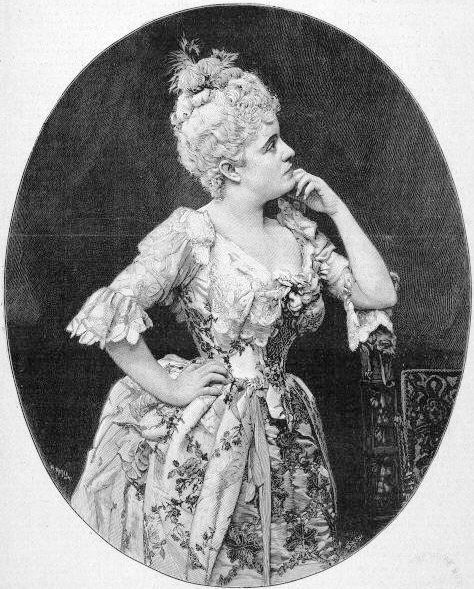
Form and musical character
Massenet wrote in a richly melodic, theatrical style that emphasizes character psychology and intimate emotion. Though classed as opéra comique because it originally included spoken dialogue, the score contains extended arias, duets and ensembles that showcase the composer’s gift for tuneful writing and varied orchestral color. Dance forms such as the gavotte appear alongside more expansive lyric passages; orchestral interludes help shape dramatic transitions.
Principal characters and synopsis
- Manon — a young woman whose beauty and desires set the drama in motion
- Le Chevalier des Grieux — the young nobleman who falls passionately in love with Manon
- Lescaut — Manon’s cousin, who pursues fortune and advantage
- Additional figures include wealthy admirers and authority figures who propel the plot toward exile
The action follows Manon from a convent to Parisian society and finally to exile. Des Grieux abandons his studies for love, but Manon’s appetite for luxury and social advancement repeatedly tests their relationship. Seductions, betrayals and legal pressure culminate in Manon’s deportation to the colonies; the lovers reunite in the final act under desperate circumstances, bringing the drama to a tragic close.
History and reception
On its premiere the opera was praised for its melodic invention and vivid stagecraft. It helped secure Massenet’s reputation as a leading French dramatist-composer and has remained in the repertoire through frequent revivals and recordings. Directors often highlight the work’s blend of lightness and melancholy, balancing comic or salon scenes with darker, more tragic moments.
Legacy and notable features
Manon is best known for its evocative ensembles, character-driven arias and the memorable gavotte and dance music that punctuate social scenes. It is commonly discussed alongside Puccini’s later Manon Lescaut, which treats the same source material with a different Italianate, verismo intensity; the two operas offer contrasting approaches to the same story and have separate places in the repertory. Performances and recorded interpretations continue to bring new emphasis to Massenet’s nuanced portrayal of youth, desire and downfall.
Further reading
For program notes, production history and score references consult specialist opera guides and catalogues; general online overviews can be found via the linked opera and composer entries above. Many modern editions and recordings make the score accessible to listeners and performers exploring late‑19th‑century French lyric theatre.
Related articles
Author
AlegsaOnline.com Manon (opera by Jules Massenet) Leandro Alegsa
URL: https://en.alegsaonline.com/art/61388