
Mamaroneck, New York
Mamaroneck is a coastal town in southern Westchester County, New York, known for its tidal harbors, suburban villages, commuter rail access to New York City, and a mixed waterfront and residential character.
Overview
Mamaroneck is a town in southern Westchester County in the state of New York, United States. It had a population of 29,156 at the 2010 census. Located along the Long Island Sound, the town combines residential neighborhoods, small commercial centers and coastal harbors. Its name comes from a Native American term and is commonly associated with the tidal waterways that shape the local shoreline.
Image gallery
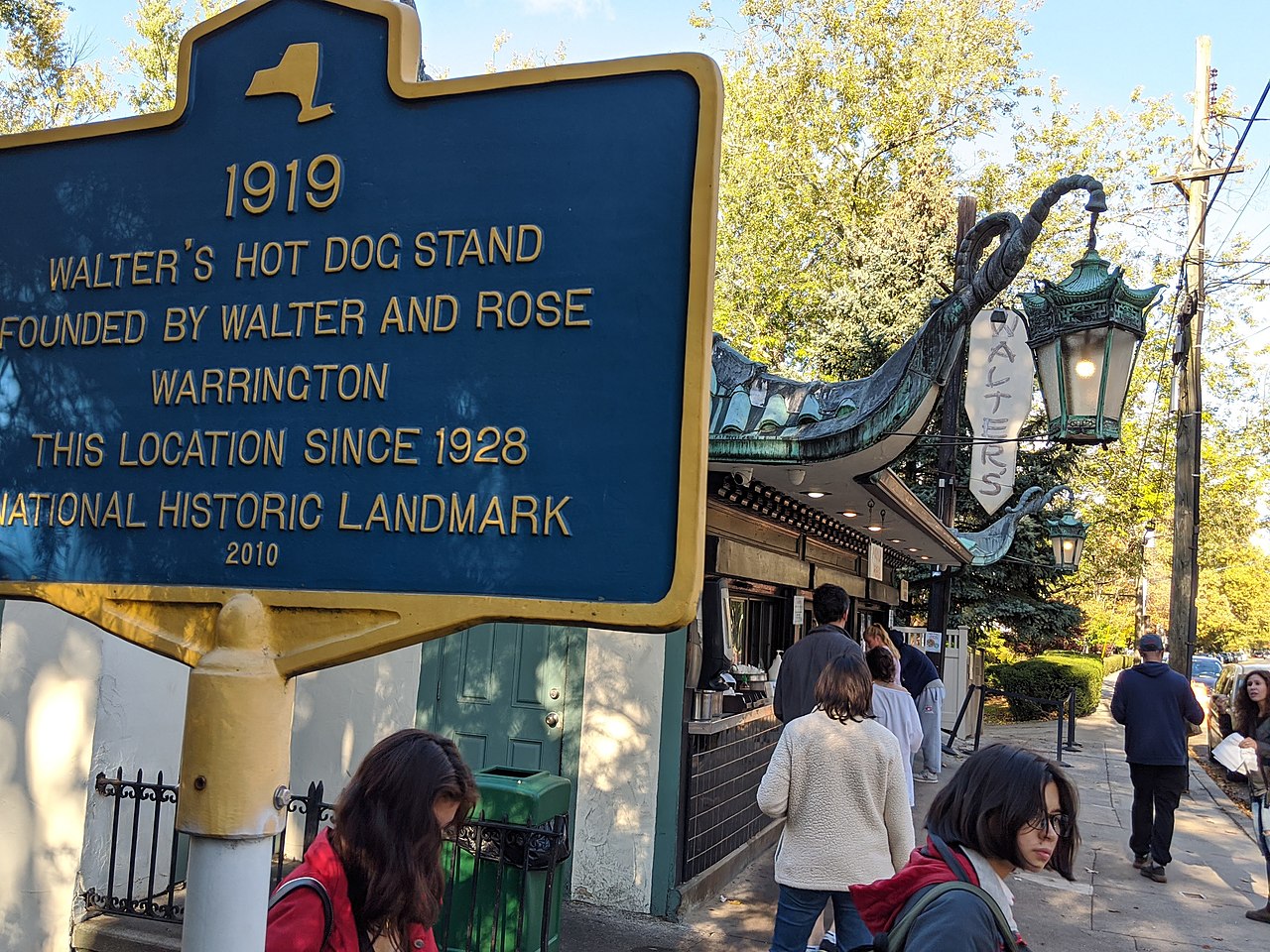
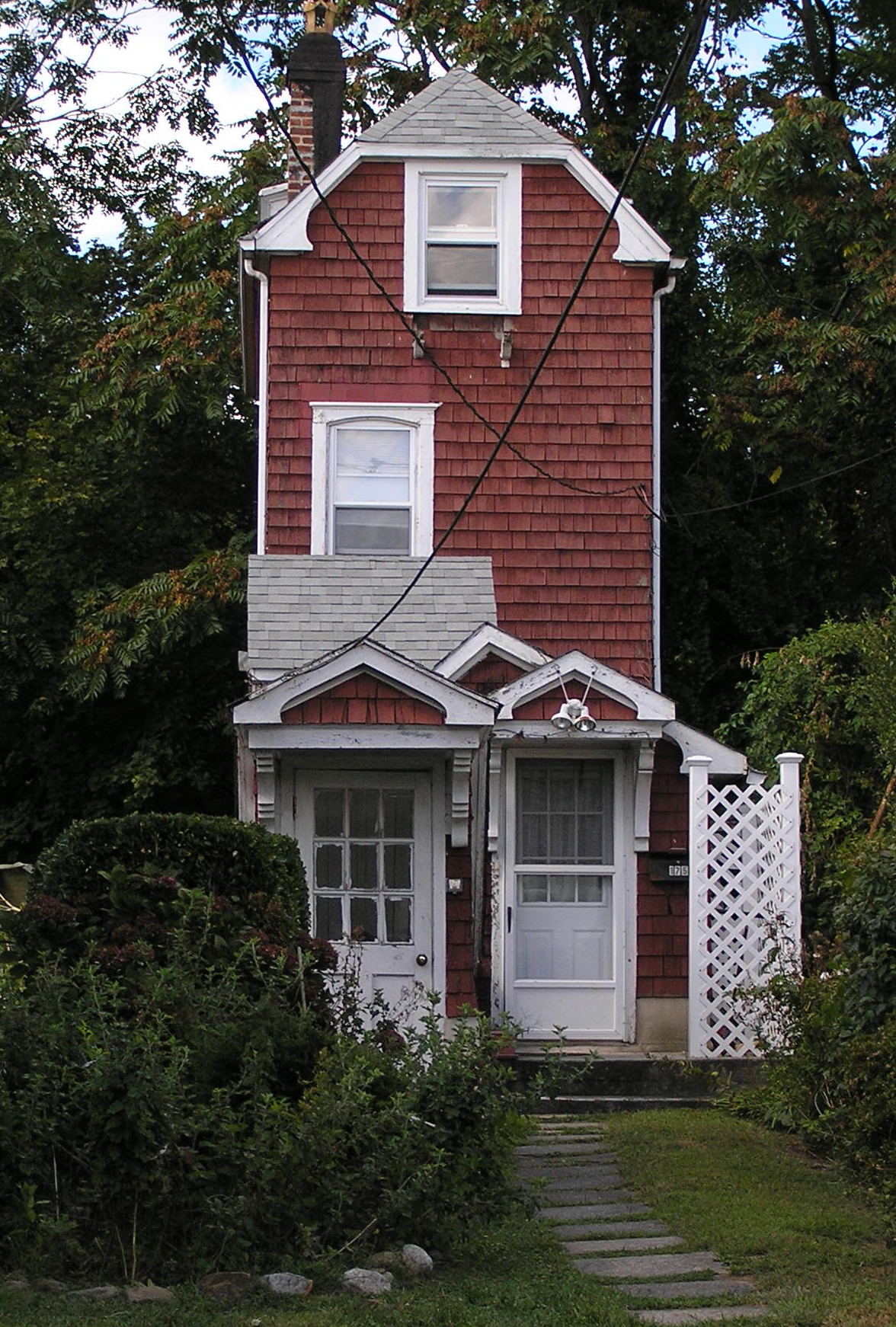
5 Images


Geography and communities
The town occupies a narrow coastal strip with tidal inlets and the Mamaroneck River feeding into Mamaroneck Harbor. The municipal structure can be confusing: the Town of Mamaroneck contains the Village of Larchmont and part of the Village of Mamaroneck, alongside unincorporated areas and shoreline neighborhoods. The waterfront and nearby parks are important local amenities.
History and development
Originally inhabited by Algonquian-speaking peoples, the area was settled by Europeans in the 17th and 18th centuries and developed as a mix of maritime, agricultural and small industrial uses. Over the 19th and 20th centuries it evolved into a suburban community as transportation to New York City improved, with many residents commuting to the city for work.
Transportation and economy
Mamaroneck functions as a commuter suburb with rail and road links to New York City and the wider region. Local commerce includes neighborhood retail, restaurants near the harbor and service industries that support residential life. Boating and marina services are part of the coastal economy.
Culture, recreation and notable facts
The town offers recreational opportunities such as boating, waterfront parks and community events. Its downtown and harbor areas host dining and small businesses that reflect a coastal suburban character. A notable civic feature is the coexistence of town and village governments, which can affect services, zoning and community identity.
Further information
- Administrative: town government and village governments operate within overlapping boundaries.
- Transportation: commuter rail and regional roads provide links to the metropolitan area.
- Environment: tidal harbors and river estuaries shape local planning and recreation.
For official and visitor details, see local municipal resources and regional guides. County information, state resources and national context offer broader perspectives.
Related articles
Author
AlegsaOnline.com Mamaroneck, New York Leandro Alegsa
URL: https://en.alegsaonline.com/art/61111