
Mamasa Regency (West Sulawesi, Indonesia)
Mamasa Regency is a mountainous regency in West Sulawesi, Indonesia, noted for its Toraja cultural heritage, highland landscapes, dispersed rural communities and growing cultural tourism centered on the town of Mamasa.
Overview
Mamasa Regency is an inland administrative regency on the island of Sulawesi in the province of West Sulawesi, Indonesia. Its administrative centre is the town of Mamasa. According to the 2010 Census the regency had a population of 139,962. The Toraja ethnic group is the largest cultural community in the area and local adat (customary law), funeral rites and ritual practices contribute strongly to regional identity.
Image gallery
5 Images



Geography and environment
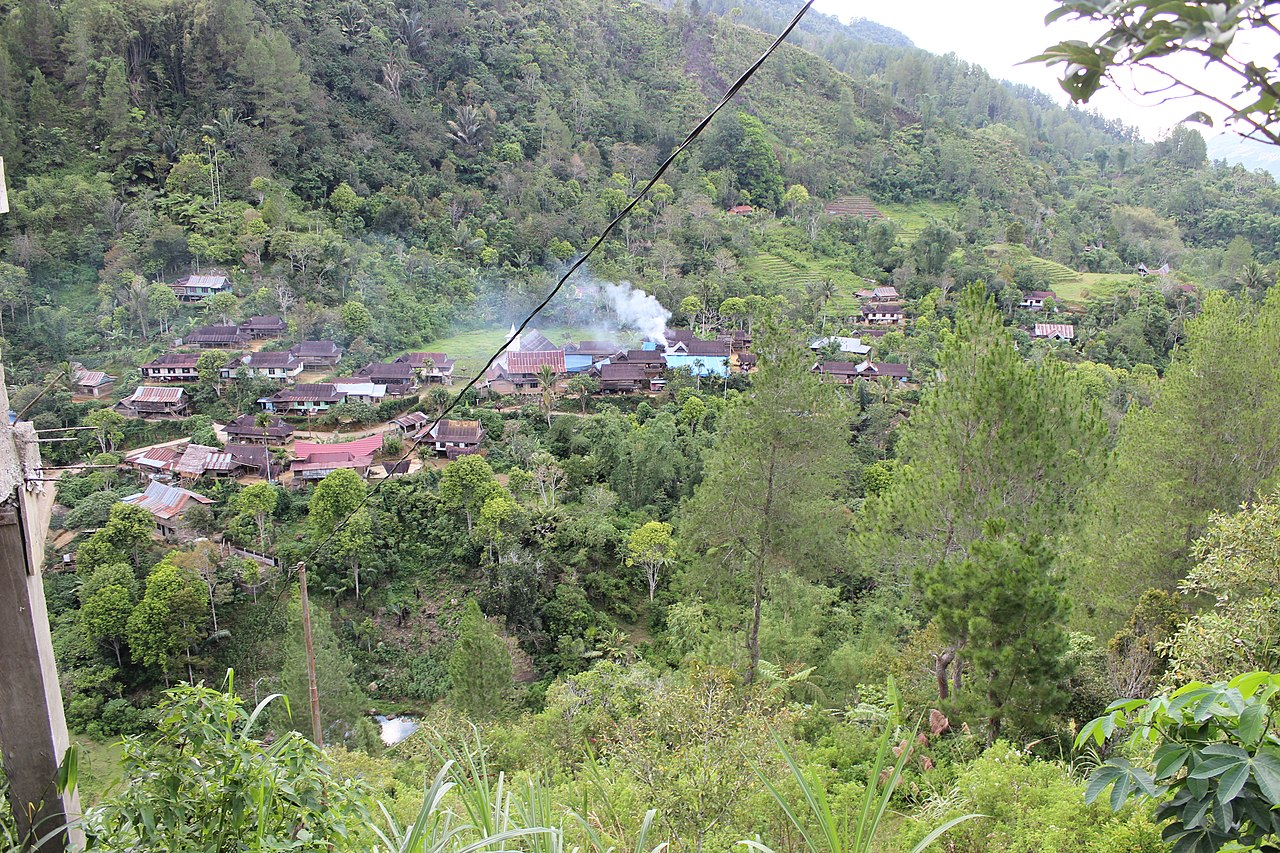
Mamasa is predominantly highland, with valleys, ridges and river systems that produce a cooler, wetter climate than the nearby coastal lowlands. The terrain supports wet rice terraces, mixed gardens and small patches of montane forest. Settlement patterns tend to be dispersed: villages and hamlets are often located on slopes or along valley floors, linked by narrow roads and footpaths. Natural resources and watercourses are important for local agriculture and daily life.
Administration and demographics
The regency is subdivided into districts (kecamatan) and numerous villages (desa and kelurahan). Local government responsibilities include rural development, basic infrastructure and public services. Population density is relatively low compared with coastal regencies; most communities rely on subsistence and smallholder farming. Indigenous language varieties of Toraja are widely spoken alongside Indonesian in schools, administration and commerce.
Culture and society
Cultural life in Mamasa reflects Toraja highland traditions: carved woodwork, distinctive house forms and ceremonial practices remain central. Elaborate funerary ceremonies, ancestor veneration and customary law are widely noted by visitors and researchers; these practices play a role in social cohesion, land tenure and identity. Local festivals and ritual events attract cultural tourists while also raising questions about preservation and change.
Economy, transport and tourism
The local economy is based on agriculture, horticulture and small-scale trade, with household farming of rice, maize and vegetables forming the backbone of rural livelihoods. Market towns provide outlets for produce and basic services. Road access has improved in recent years but many communities remain connected by narrow, winding routes; transport limitations affect costs and access to health and education. Cultural and landscape tourism has grown as visitors come for traditional ceremonies and scenic highlands, creating opportunities and challenges for sustainable development.
Conservation and development challenges
Key issues include balancing cultural preservation with economic opportunity, improving infrastructure and public services in dispersed communities, and managing land use to reduce erosion and protect remaining forested areas. Local and provincial initiatives aim to support sustainable agriculture, community-based tourism and improved market access while respecting customary practices.
Further information
For administrative details and up-to-date regional data consult provincial and national resources; see local government pages and regional studies via regional resources and contextual material about the island of Sulawesi at island studies. Additional official information may be available through West Sulawesi provincial portals and national administrative sources at Indonesia.
Questions and answers
Q: Where is Mamasa Regency located?
A: Mamasa Regency is located in West Sulawesi Province, Indonesia, on the island of Sulawesi.
Q: What is the population of Mamasa Regency according to the 2010 Census?
A: According to the 2010 Census, the population of Mamasa Regency was 139,962.
Q: What is the capital of Mamasa Regency?
A: The capital of Mamasa Regency is Mamasa.
Q: Which is the most common ethnic group in Mamasa Regency?
A: The most common ethnic group in Mamasa Regency is the Toraja.
Q: What is Mamasa Regency?
A: Mamasa Regency is a regency in West Sulawesi Province, Indonesia.
Q: What is the Indonesian name for Mamasa Regency?
A: The Indonesian name for Mamasa Regency is Kabupaten Mamasa.
Q: What island is Mamasa Regency located on?
A: Mamasa Regency is located on the island of Sulawesi.
Related articles
Author
AlegsaOnline.com Mamasa Regency (West Sulawesi, Indonesia) Leandro Alegsa
URL: https://en.alegsaonline.com/art/61113
Sources
- mediaindonesia.com : "Bandara Sumarorong Beroperasi Tahun Depan"
- tools.wmflabs.org : 3°06′47″S 119°22′58″E / 3.11306°S 119.38278°E / -3.11306; 119.38278