
Mahi Beamer: Hawaiian Tenor Falsetto Singer, Composer and Hula Dancer
Edwin 'Mahi' Beamer (1928–2017) was a celebrated Hawaiian tenor falsetto singer, composer and hula dancer. A member of the Beamer musical family, he performed widely and received major Hawaiian cultural honors.
Edwin Mahiʻai Copp Beamer, commonly known as Mahi Beamer (December 5, 1928 – July 14, 2017), was a prominent Hawaiian tenor best known for his falsetto vocal style, songwriting and hula performance. He became widely regarded as a cultural ambassador for traditional Hawaiian music and dance, bringing island repertoire to mainland stages and hotel reviews while also helping preserve a multi‑generational musical heritage.
Image gallery
1 Image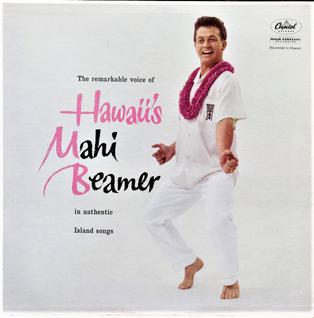
Early life and family background
Born in Honolulu when the islands were still the Territory of Hawaii, Beamer grew up within the well-known Beamer musical family, a lineage of performers and teachers whose members composed, taught and practiced hula and song across generations. That family context influenced his development as both a vocalist and dancer and connected him to older Hawaiian musical traditions.
Artistry and style
Mahi Beamer was especially associated with the Hawaiian male falsetto tradition — a high, emotive vocal register that became a hallmark of Hawaiian popular singing in the 20th century. He combined that singing style with expressive hula and stage presentation, often sharing repertoire that balanced ancient chants, mele (songs), and contemporary Hawaiian compositions. His performances emphasized vocal clarity, melodic phrasing and cultural storytelling through movement.
Career highlights
Beamer's career spanned local and international venues. He appeared in film and on major concert stages, and he performed regularly in commercial revue shows that introduced Hawaiian music to new audiences. Notable appearances and engagements included:
- An uncredited singing role in the Columbia Pictures film Forbidden Island (1959), filmed on location in Hawaii.
- Concert appearances at venues such as Carnegie Hall in New York City, bringing Hawaiian repertoire to continental audiences.
- A long-running engagement as a featured performer in Nalani Kele's Polynesian Review at the Stardust Resort and Casino in Paradise, Nevada.
Honors and legacy
Beamer received formal recognition for his cultural contributions late in life, including induction into the Hawaiian Music Hall of Fame in 2006 and designation as a "Living Treasure of Hawaii" by the Honpa Hongwanji Mission of Hawaii in 2008. These honors acknowledged both his artistic achievements and his role in sustaining Hawaiian musical and dance traditions.
Death and remembrance
Mahi Beamer died in Honolulu on July 14, 2017, at the age of 88 from complications related to chronic obstructive pulmonary disease. Musicians, dancers and cultural practitioners remember him for his warm stage presence, his distinctive tenor falsetto, and his contributions to keeping Hawaiian songs and hula in public view during a period of renewed interest in native culture.
Although best known as a performer, Beamer's life also exemplified the transmission of Hawaiian arts through family, teaching and public performance. His career illustrates the ways in which traditional styles adapted to mid‑20th century entertainment circuits while retaining links to older Hawaiian practice.
Related articles
Author
AlegsaOnline.com Mahi Beamer: Hawaiian Tenor Falsetto Singer, Composer and Hula Dancer Leandro Alegsa
URL: https://en.alegsaonline.com/art/60719
Sources
- the.honoluluadvertiser.com : "Hawaiian music legends to be honored"
- books.google.com : Columbia Pictures Horror, Science Fiction and Fantasy Films, 1928–1982