
Maine-et-Loire: Geography, History and Economy of the Loire Valley Department
Maine-et-Loire, a Loire Valley department centered on Angers: geography, history since 1790, vineyards, agriculture, towns, economy and cultural heritage
Maine-et-Loire is a department situated in the west of France. It belongs to the Pays de la Loire region. The departmental prefecture is Angers. The population has been estimated at roughly 810,000 (2015 figures). Maine-et-Loire was established during the French Revolution as one of the original 83 departments created in 1790.
Image gallery
7 Images



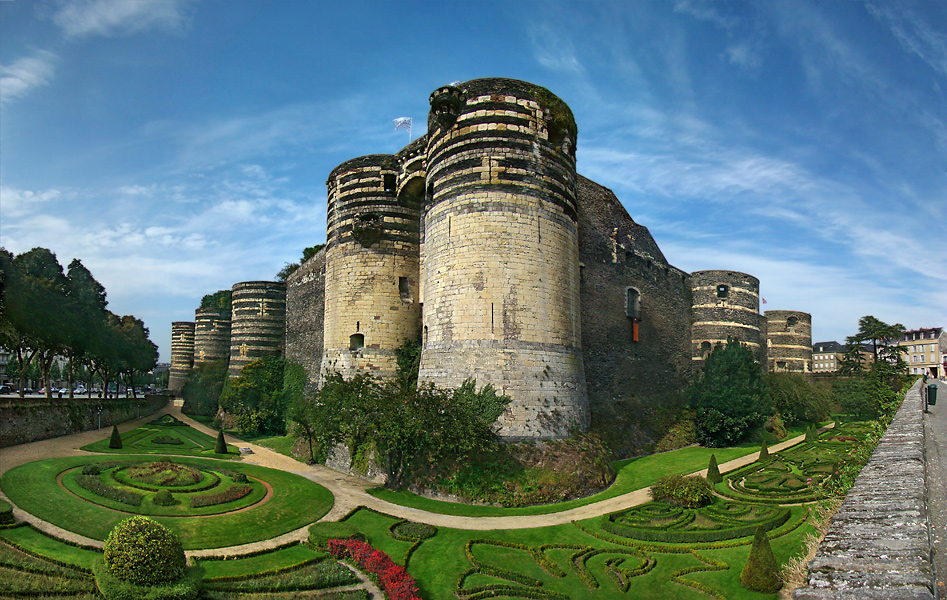

Overview
The department occupies part of the Loire valley and combines agricultural lowlands, riverine landscapes and historic towns. Vineyards and fruit-growing are important components of the local economy, alongside light industry and services concentrated around the main urban centres.
History
Maine-et-Loire was formed in 1790 from portions of the former province of Anjou and adjacent territories. Its administrative structures and boundaries have evolved since the 19th century, but its identity remains closely linked to the historic city of Angers and the Loire valley heritage.
Administration and towns
The department is administered from its prefecture in Angers. Local government is organised into smaller subdivisions for judicial and electoral purposes. Besides Angers, several towns and communes serve as local centres for commerce and services.
Geography and environment
The Loire river and its tributaries shape much of the department’s landscape, creating fertile floodplains that support agriculture and vineyards. The area also contains forests, hedged farmland and scattered limestone outcrops with historic troglodyte sites and châteaux.
Demography and economy
Population density is higher in and around the principal towns, while much of the countryside remains rural. Economic activity includes viticulture (notably Anjou wines), fruit production, market gardening, manufacturing and tourism focused on cultural and heritage attractions.
Cultural and tourist highlights
- Historic architecture and museums in Angers
- Castles and estate landscapes along the Loire valley
- Wine routes and local gastronomic products
For administrative classification, Maine-et-Loire is one of the departments that together make up the modern territorial organisation of France; its evolution reflects broader national reforms from the revolutionary period to the present day.
Related articles
Author
AlegsaOnline.com Maine-et-Loire: Geography, History and Economy of the Loire Valley Department Leandro Alegsa
URL: https://en.alegsaonline.com/art/60798
Sources
- maine-et-loire.fr : "Conseil départemental de Maine-et-Loire"
- insee.fr : "Département de Maine-et-Loire (49)"