
MAD Magazine: American Satire and Parody (since 1952)
MAD is a long-running American humor magazine, founded in 1952, known for satirical parodies, mascot Alfred E. Neuman, recurring features like Spy vs. Spy and the Fold-In, and its influence on popular culture.
Overview
MAD Magazine is an American humor and satire publication that began in 1952 as a low-priced comic-book parody of other comics. Founded by William M. Gaines with early editorial direction from Harvey Kurtzman, the title established a distinct voice of irreverence and lampooning of movies, television, music, advertising and public figures. The magazine’s most recognizable emblem is the gap-toothed mascot Alfred E. Neuman, often associated with the informal motto “What, me worry?”.
Image gallery
10 Images




Origins and format
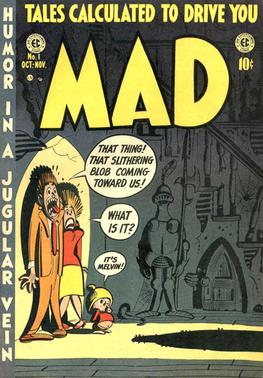
MAD originally appeared as a 10-cent comic book and later converted to a magazine format, a change that gave its creators more freedom of content and helped avoid comic-book self-censorship. The magazine format allowed longer parodies, denser layouts and a mix of illustrated and written satire. Over time MAD adjusted price, page count and frequency to respond to market conditions and editorial ambitions.
Recurring features and contributors
The publication developed signature elements that became part of its identity:
- Alfred E. Neuman — the grinning mascot who appeared on many covers;
- Spy vs. Spy — a silent, wordless comic strip about two rival spies, created by Antonio Prohias;
- Fold-In — the back-page invention by Al Jaffee that reveals a hidden image when folded;
- Extended movie and television parodies drawn in comic-book style;
- Cartoonists and satirists such as Mort Drucker, Don Martin, Wally Wood, Al Jaffee and others who defined the magazine’s varied visual voices.
Style, audience and influence
MAD’s humor mixes caricature, pastiche, wordplay and cultural parody. While often aimed at teens and young adults, its layered references and recurring jokes attracted a broader readership. The magazine influenced generations of comedians, writers, filmmakers and cartoonists by demonstrating how popular culture could be critiqued through comedic exaggeration and visual design.
History, controversies and later years
Across decades MAD navigated shifts in publishing, tastes and legal landscapes. It was praised for freedom of expression and at times criticized for provocative content. In later years the magazine reduced frequency and began to rely more on reprints alongside new material; its legacy remains visible in television sketch comedy, satire websites and comic art. For historical overviews, archives and official materials see official site, historical overviews, and resources on early issues at early issues. A feature index and contributor pages are available at feature index and contributors, while discussions of cultural impact and bibliography can be found via cultural impact and bibliography.
Related articles
Author
AlegsaOnline.com MAD Magazine: American Satire and Parody (since 1952) Leandro Alegsa
URL: https://en.alegsaonline.com/art/60413