
Macapá — Capital city of Amapá, Brazil
Macapá is the capital of Amapá in northern Brazil, located on the Amazon estuary at the equator. It is known for its equatorial monument, colonial fortress and riverine culture; population about 355,000.
Macapá is the capital city of the state of Amapá in Brazil. Positioned on the northern bank of the Amazon River estuary, the municipality covers an area of about 6,563 km² and has a population of roughly 355,000 inhabitants. Its riverside location and proximity to the equator shape local life, transport and economy.

Image gallery
7 Images


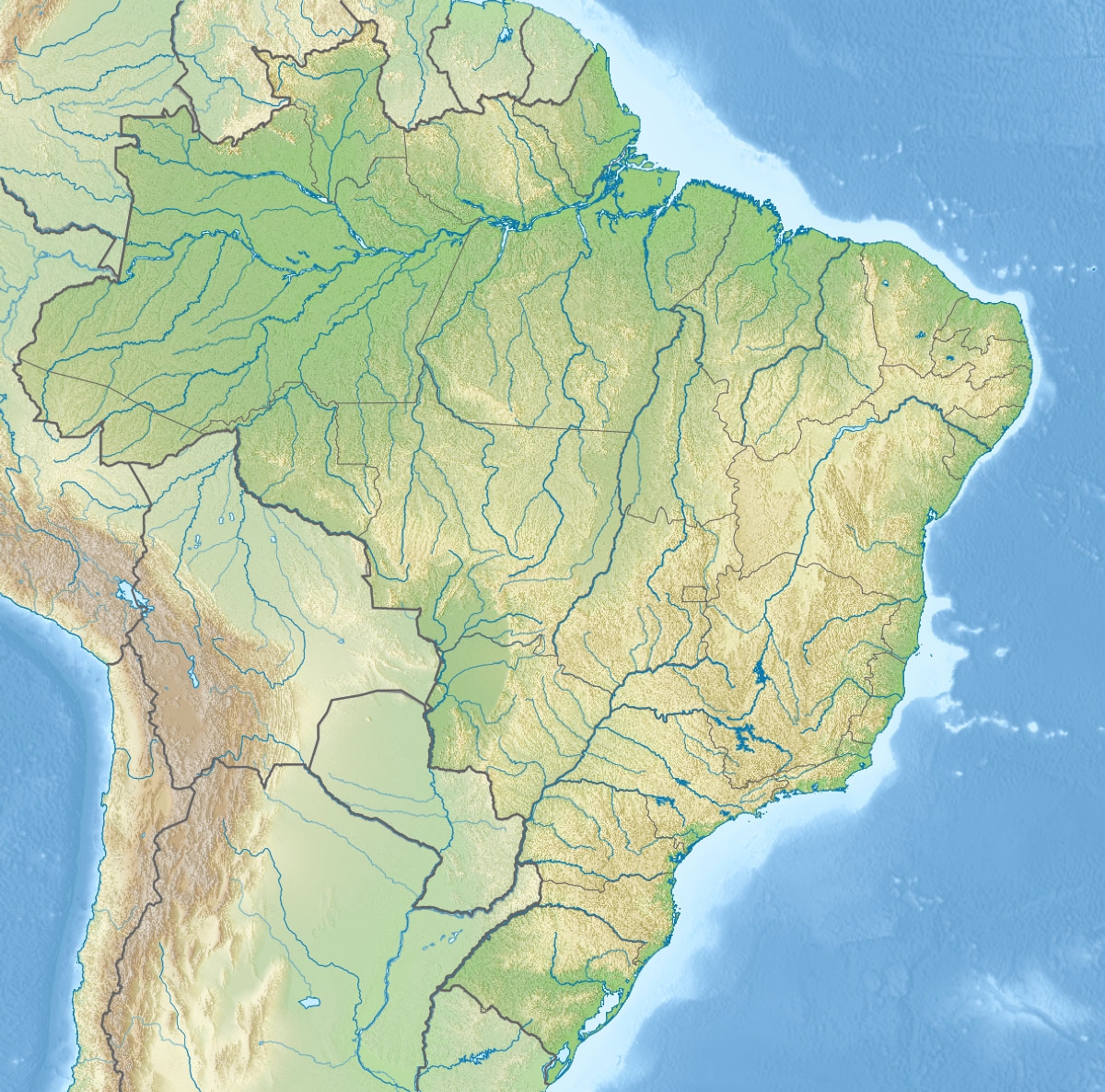

Geography and climate
Macapá lies almost exactly on the equatorial line, a feature visible in the city center where the line is marked by a public monument. The surrounding landscape blends river channels, tidal plains and tropical rainforest. The climate is equatorial: consistently warm with high humidity and heavy rainfall concentrated in a wet season, while temperature variation through the year is limited.
History and development
The settlement grew around a Portuguese colonial fort built in the 18th century to secure river access and trade routes. Over time it developed into the administrative and commercial center of the region, becoming the seat of state government when Amapá gained political distinction separate from neighboring territories.
Economy and transport
Macapá functions as a regional hub for public administration, services, trade and riverborne transport. Its port facilities support fishing and cargo moving along Amazon tributaries. The city also serves as a gateway to interior conservation areas and mineral-rich zones farther inland, linking road and water networks for passengers and freight.

Culture, tourism and notable features
Visitors are drawn to the marked equator line and the historic Fortaleza de São José, a well-preserved fortification reflecting the city’s colonial past. Local cuisine emphasizes river products such as fish and açaí, and cultural life combines indigenous, African and Portuguese influences seen in festivals, markets and museums. Macapá is also notable for being one of the few capital cities crossed by the equator, which is a frequent point of civic identity and tourism promotion.
- Major sights: equator monument, colonial fortress, riverside promenades.
- Local challenges: urban growth, infrastructure adapted to tidal and river dynamics.
Related articles
Author
AlegsaOnline.com Macapá — Capital city of Amapá, Brazil Leandro Alegsa
URL: https://en.alegsaonline.com/art/60269