
Macclesfield, Cheshire, England
Market town in Cheshire, England, historically a centre of silk manufacture; now a regional service and commuter town with notable heritage, parks and cultural institutions.
Overview
Macclesfield is a historic market town in the county of Cheshire, in England. It has a population of roughly 51,700 and functions as a local hub for retail, education and light industry. The town blends Victorian industrial architecture with surrounding green spaces and commuter connections to larger cities.
Image gallery
10 Images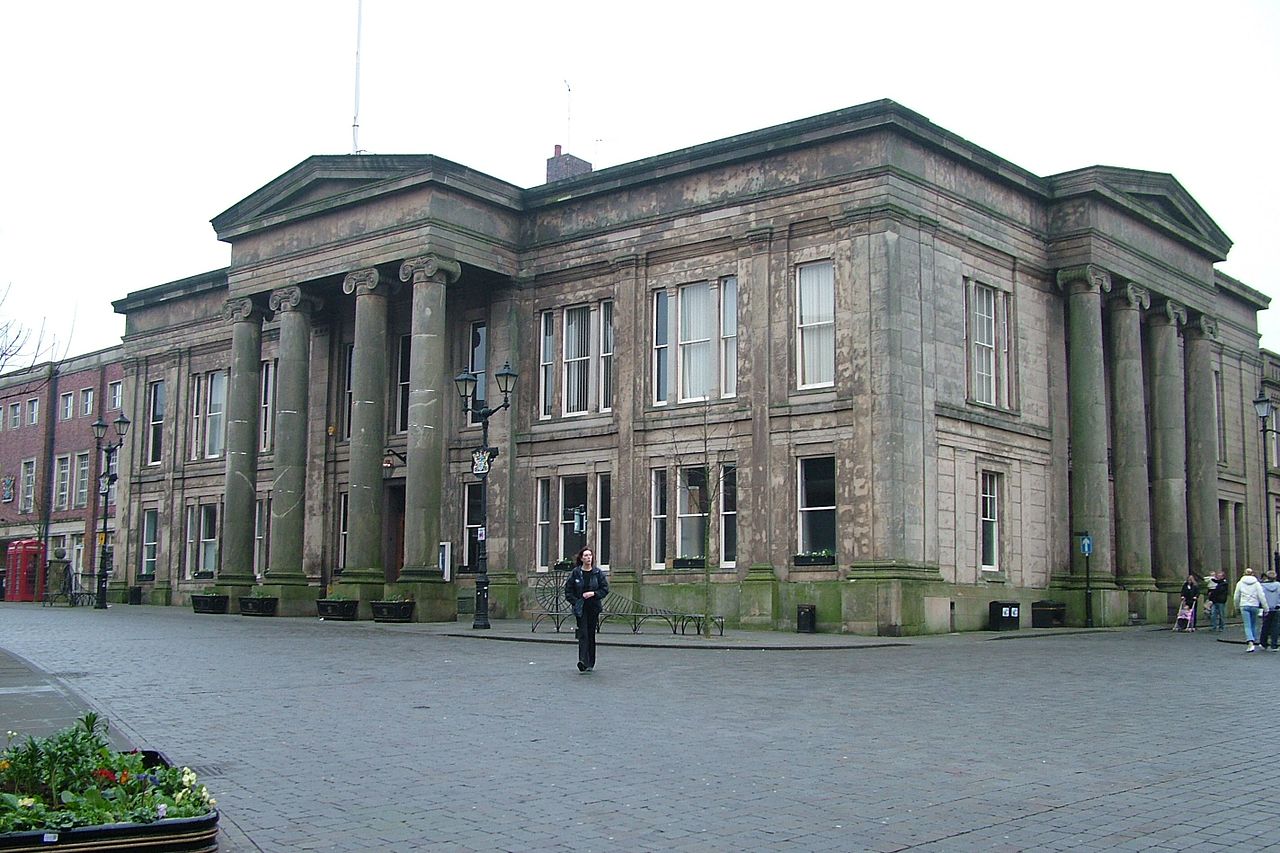



History and development
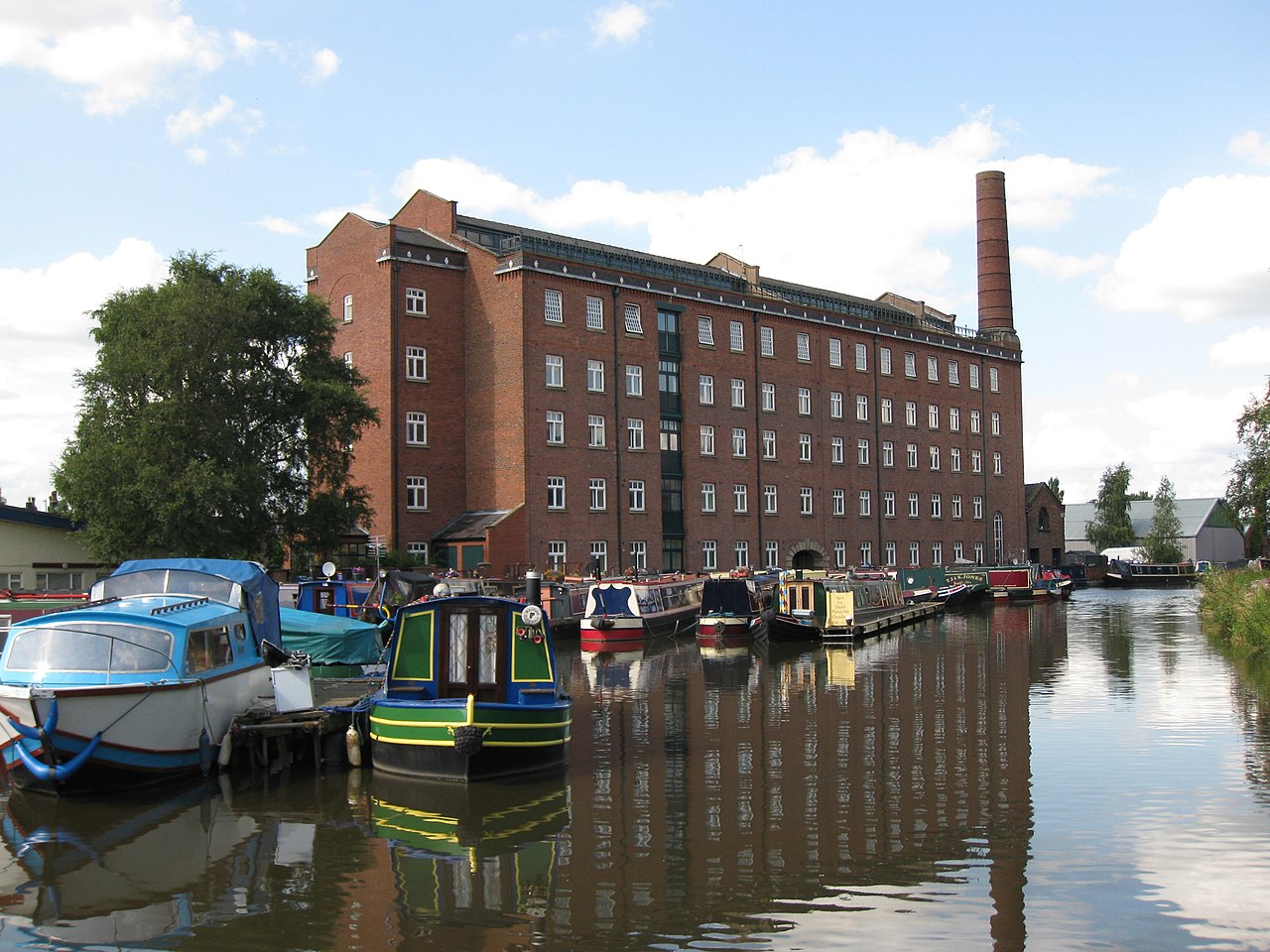
Macclesfield developed as a market centre and later became widely known for silk production from the 18th and 19th centuries. Silk mills shaped the townscape and economy for generations, leaving a legacy of mill buildings, warehouses and trade-related institutions. Over time the local economy diversified as textile manufacture declined, and many historic structures have been repurposed for modern uses.
Geography and transport
Set on the edge of the Cheshire Plain and within reach of the Peak District, Macclesfield offers both rural access and town amenities. The River Bollin runs nearby and the surrounding area includes parks and woodland. Transport links include a railway station with services to regional centres and road connections that make commuting feasible.
Economy, culture and institutions
Today the town’s economy mixes retail, professional services, small manufacturers and tourism tied to its industrial heritage. Cultural life features museums and community festivals that celebrate local history and arts. Educational institutions and leisure facilities serve the town and its suburban and rural hinterland.
Landmarks and notable places
- Former mill buildings and industrial terraces reflecting the silk era
- Local museums and heritage centres interpreting textile history
- Parks, walking routes and proximity to countryside attractions
While modern Macclesfield functions as a commuter town for nearby urban areas, it retains distinct historic character rooted in its market-town origins and silk-manufacturing past. Visitors and residents alike note the combination of built heritage and nearby natural scenery as defining features.
Related articles
Author
AlegsaOnline.com Macclesfield, Cheshire, England Leandro Alegsa
URL: https://en.alegsaonline.com/art/60295