
M4 motorway (United Kingdom)
Primary motorway linking London with South Wales, running west from London through the Thames Valley and Bristol region to Cardiff and beyond; key route for freight and long-distance travel.
The M4 is a major motorway in the United Kingdom that provides a principal high-capacity road connection between London and South Wales. Created to speed long-distance traffic and freight between England’s capital and the industrial and port areas of South Wales, it forms part of the national motorway network and carries both commuter and long-distance vehicles.
Image gallery
10 Images





Route and characteristics
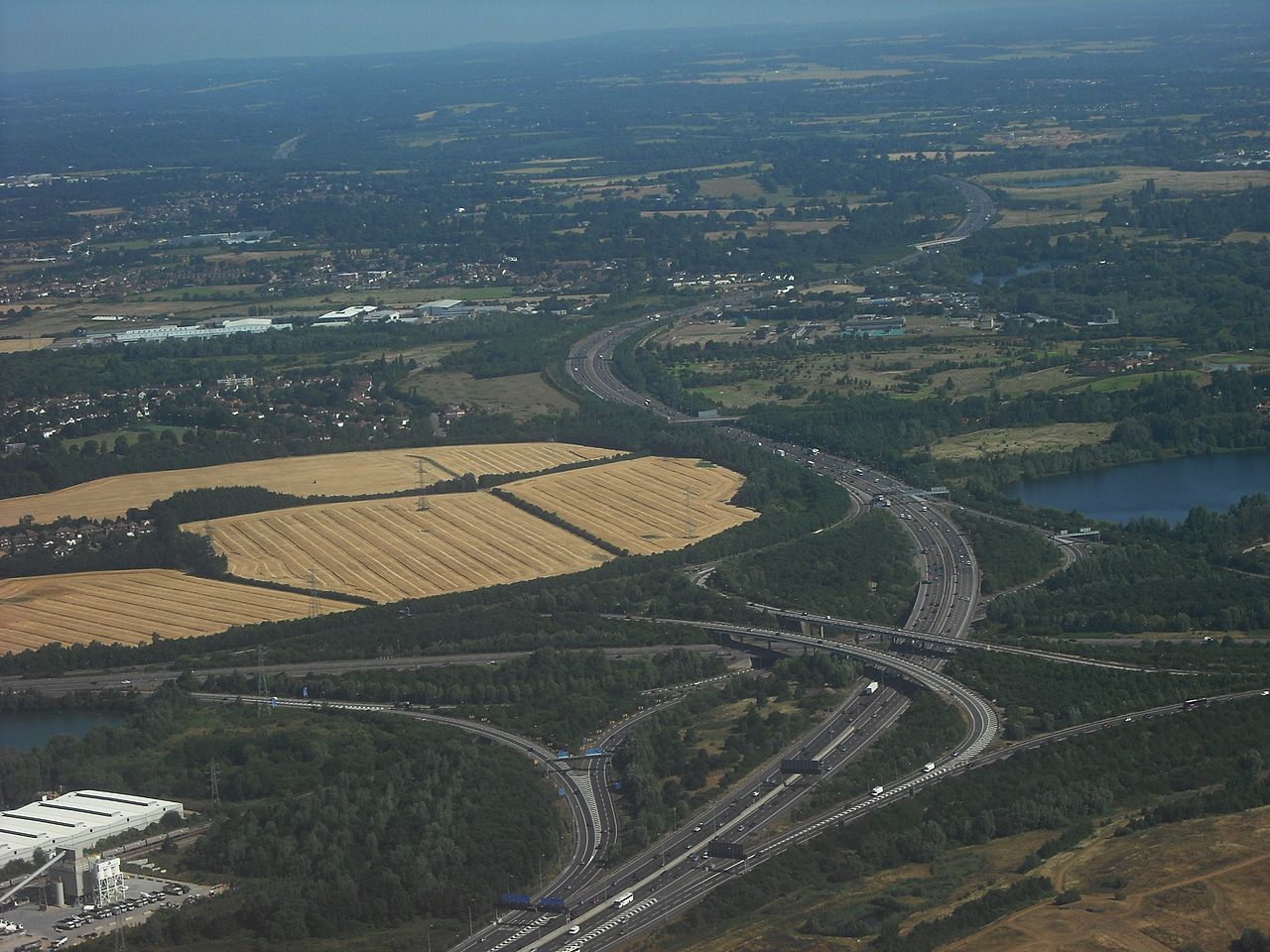
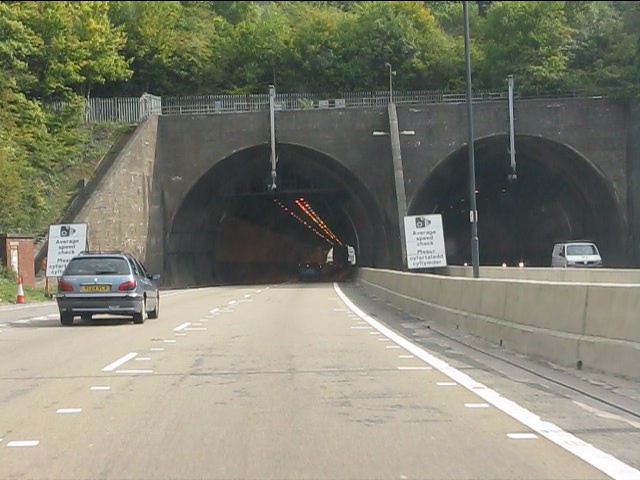
The motorway runs westward out of London, passing through or near important towns and cities in the Thames Valley and the West Country before reaching the Bristol area and crossing into Wales. It links with other motorways such as the M25 orbital and the M5, and it serves as a key east–west corridor. Like other British motorways it is grade-separated, has a central reservation and hard shoulders on many stretches, and is identified by blue signage.
History and development
Planned and built in stages in the mid-20th century, the route was originally promoted as the London–South Wales Motorway. Construction progressed over several decades with successive sections opened as demand and funding allowed. Major works included river crossings and the construction of bypasses to reduce traffic through towns.
Importance and uses
The M4 is heavily used by freight vehicles accessing Welsh ports and by leisure and commuter traffic serving towns along the corridor. It is also a strategic diversionary route when other east–west links are congested. The road has shaped regional development by improving accessibility and supporting commerce.
Features and notable facts
- Crosses the Bristol area and provides access to Bristol.
- Includes major river crossings between England and Wales built to high engineering standards.
- Serves a number of motorway service areas and junctions that link local and regional roads.
- Originally carried the informal name London–South Wales Motorway during planning and early construction.
For travelers and transport planners the M4 remains a principal artery in the west of Britain: busy, strategically important, and continually managed to balance capacity, safety and environmental concerns.
Related articles
Author
AlegsaOnline.com M4 motorway (United Kingdom) Leandro Alegsa
URL: https://en.alegsaonline.com/art/60220
Sources
- google.co.uk : "Directions to M4, Hendy, Swansea"