
M5 motorway (England)
Major motorway in England linking the Midlands with the South West, running from the M6 near Birmingham to Exeter. Key route for tourism and freight; prone to seasonal congestion south of the M4.
Overview
The M5 is a principal motorway in England that provides a primary north–south route between the Midlands and the South West. It begins at Junction 8 of the M6 near West Bromwich, close to Birmingham, and continues to terminate at Exeter in Devon. For travel into the West Country it is often described as the main gateway to South West England, carrying both commuter and long-distance traffic.
Image gallery
10 Images
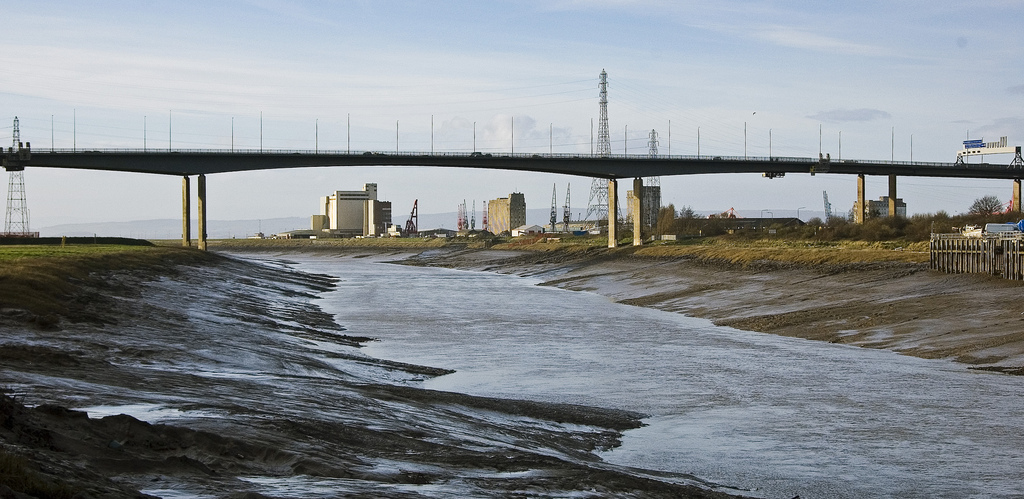


Route and connections
The motorway links a series of regional towns and cities and connects with other major trunk roads and motorways that facilitate travel across England. It provides onward connections for freight and passenger services heading towards coastal ports and holiday destinations. The route meets several important east–west corridors, including the corridor formed by the M4, and is integrated with local trunk roads at multiple junctions and service areas.
Drivers will find standard motorway features along the route: multiple lanes in each direction, grade-separated junctions, motorway service stations and lay-bys. The alignment passes through a mix of suburban, agricultural and more rugged West Country landscapes, making some parts of the route scenically distinctive while others run close to urban centres.
History and development
The M5 was developed in stages during the mid to late 20th century as part of the broader expansion of Britain’s motorway network. Construction advanced section by section to improve regional access, economic links and to provide a faster, safer alternative to older single-carriageway trunk roads. Upgrades and maintenance works have continued since initial completion to address traffic growth and evolving standards.
Traffic, use and notable patterns
The motorway is heavily used by a mixture of commuter traffic, regional freight and holidaymakers. Congestion is especially noticeable on the southern sections: delays and slow-moving conditions commonly appear during summer and holiday periods, on Friday afternoons, and around school and bank holidays. These seasonal peaks reflect the M5’s role as a route into popular coastal and rural destinations.
Importance and practical notes
- Economic role: the M5 supports distribution and tourism in the West Country and links industrial areas in and around Birmingham with ports and leisure destinations.
- Operational matters: drivers should expect service areas, variable signage, and frequent maintenance activity in places; journey planning is advised during peak holiday periods.
- Alternatives: parallel A-roads, rail links and east–west motorways provide diversions when congestion or closures affect the route.
Together, these aspects make the M5 a vital transport artery in western England: central to regional mobility, commerce and tourism while subject to recurring seasonal pressure that influences travel planning and traffic management.
Questions and answers
Q: What is the M5?
A: The M5 is a motorway in England that links the Midlands and South West, running from Junction 8 of the M6 at West Bromwich near Birmingham to Exeter in Devon.
Q: What is its purpose?
A: The M5 serves as the main gateway to South West England.
Q: When does congestion occur on the M5?
A: Congestion typically occurs during summer holidays, on Friday afternoons, and school and bank holidays on the section south of the M4.
Q: Where does it start?
A: The M5 starts at Junction 8 of the M6 at West Bromwich near Birmingham.
Q: Where does it end?
A: The M5 ends in Exeter in Devon.
Q: How long is it?
A: It is unclear how long exactly the route of the entire motorway is; however, it runs from Junction 8 of the M6 at West Bromwich near Birmingham to Exeter in Devon.
Q: Is there an alternative route available if congestion occurs on this motorway?
A: Yes, there are alternative routes available if congestion occurs on this motorway; however, these may be longer or more difficult depending on where you are travelling from/to.
Related articles
Author
AlegsaOnline.com M5 motorway (England) Leandro Alegsa
URL: https://en.alegsaonline.com/art/60223