
Lymington Branch Line
Short railway branch in Hampshire linking Brockenhurst with Lymington Pier, serving ferry connections to the Isle of Wight and local communities; notable for its short length and low-speed pier approach.
The Lymington Branch Line is a short railway link in Hampshire, England, that connects the mainline at Brockenhurst with the coastal ferry terminal at Lymington Pier. It provides a local shuttle service used by residents, commuters and visitors making onward connections to the Isle of Wight. The line is a specialist, short-distance branch rather than part of a longer intercity route, and plays a distinctive role in the local transport network.
Image gallery
7 Images


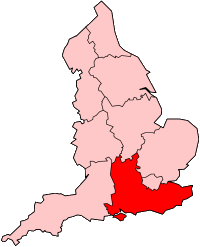
Route and characteristics
The branch runs from the junction at Brockenhurst to Lymington Pier, with an intermediate stop at Lymington Town. The section approaching the pier is short and subject to a low line speed (approximately 20 mph on the final stretch), reflecting its constrained alignment and close proximity to harbour facilities. The route is electrified with the same third-rail system used widely across the south of England and is operated as a shuttle service that links into mainline timetables at Brockenhurst.
Stations
- Brockenhurst (junction with the mainline)
- Lymington Town (serves the town centre)
- Lymington Pier (for foot ferry connections)
History and development
The branch originated in the era when many short lines were built to connect ports and coastal towns to the developing national rail network. Its primary purpose has long been to provide a link between the rail network and the ferry services departing from Lymington Pier. Over time the line has seen changes in rolling stock, signalling and operators, but its basic function as a local connector has remained constant.
Use and importance
The Lymington Branch Line is important for local mobility and tourism. It enables easy transfer from regional rail services to Isle of Wight ferries, supports local commuting patterns into larger centres, and provides visitors with access to the New Forest and coastal attractions. Services on the branch are coordinated with mainline trains to provide convenient interchange.
Notable facts and practical information
Because of its short length and specialised role, the line is often referenced in discussions of branch-line operation and local transport policy. For current service details and operator information consult the train operator's information pages, for example via timetables and service updates. The Lymington Branch remains a compact but significant component of local rail infrastructure, valued for the direct connection it provides between rail and ferry travel.
Related articles
Author
AlegsaOnline.com Lymington Branch Line Leandro Alegsa
URL: https://en.alegsaonline.com/art/60099