
Lycoperdon umbrinum — the umber-brown puffball
A puffball fungus in the genus Lycoperdon found across Europe, China and North America; small to medium-sized, saprotrophic, notable for its brown peridium and powdery spore mass when mature.
Overview
Lycoperdon umbrinum, commonly called the umber-brown puffball, is a species of puffball fungus in the genus Lycoperdon. Like other puffballs it produces round fruiting bodies that release spores as a powdery mass. The species has been reported from parts of Europe, China and North America and typically fruits in warmer months through autumn.
Image gallery
5 Images


Description
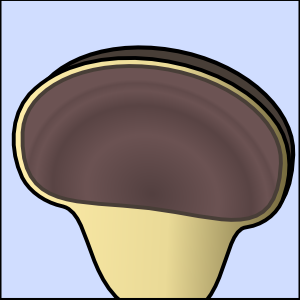
The fruit bodies are usually small to medium in size and show an overall umber to brown coloration that gives the species its common name. Young specimens have a solid, white interior (gleba) that later transforms into a yellowish or olive-brown, powdery spore mass. The outer skin (peridium) may be slightly warted or finely textured and can wear smooth with age. Puffballs lack gills and stem-like structures visible in many mushrooms.
Habitat and ecology
L. umbrinum is saprotrophic, feeding on decaying organic matter in soil. It is typically found in grassy areas, woodland edges, sandy soils or disturbed ground where organic debris accumulates. As a decomposer it helps recycle nutrients back into the ecosystem. Fruiting is influenced by moisture and temperature and often follows warm rainy periods.
Edibility, look-alikes and caution
As with many puffballs, specimens that have a uniformly white, firm interior are generally regarded as potentially edible, while those with an internal spore mass or discoloration are not. Caution is essential: some toxic "earthballs" (for example species in Scleroderma) have a dark interior even when young and can be mistaken for puffballs. Always slice specimens longitudinally to confirm a solid white gleba before considering consumption, and consult local guides or experts.
Identification tips and notes
- Check interior: solid white when young, later powdery and brown.
- Surface: typically umber-brown, may be warted or smooth.
- Absence of gills or a stem distinguishes puffballs from immature gilled mushrooms.
For general information about puffballs and related species see the genus overview at Lycoperdon resources and specific species treatments at Lycoperdon umbrinum.
Related articles
Author
AlegsaOnline.com Lycoperdon umbrinum — the umber-brown puffball Leandro Alegsa
URL: https://en.alegsaonline.com/art/60077
Sources
- books.google.com : The Encyclopedia of Fungi of Britain and Europe
- books.google.com : North American Mushrooms: a Field Guide to Edible and Inedible Fungi