
Lusatian Neisse
A Central European river forming part of the Germany–Poland border; known in Czech, German and Polish as Lužická Nisa, Lausitzer Neiße and Nysa Łużycka.
Overview
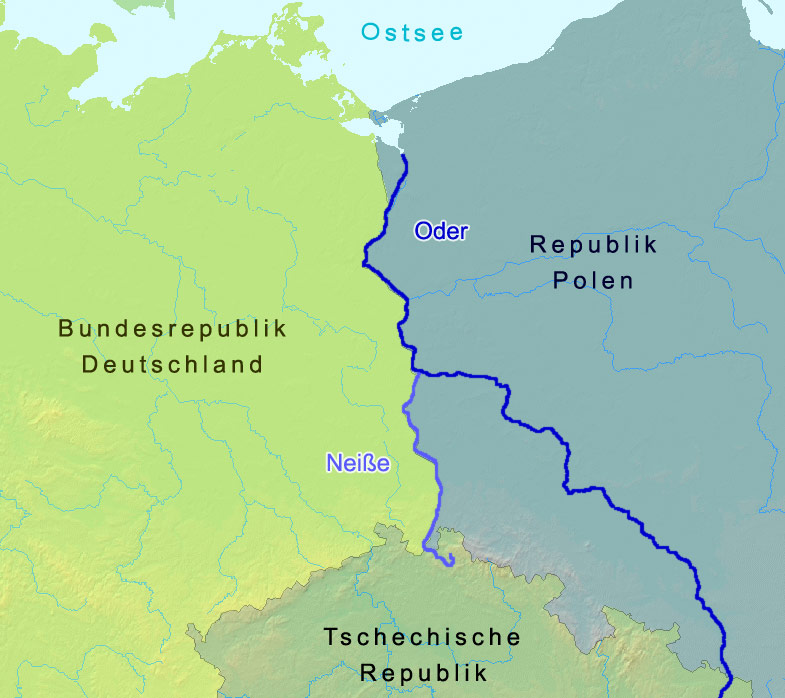
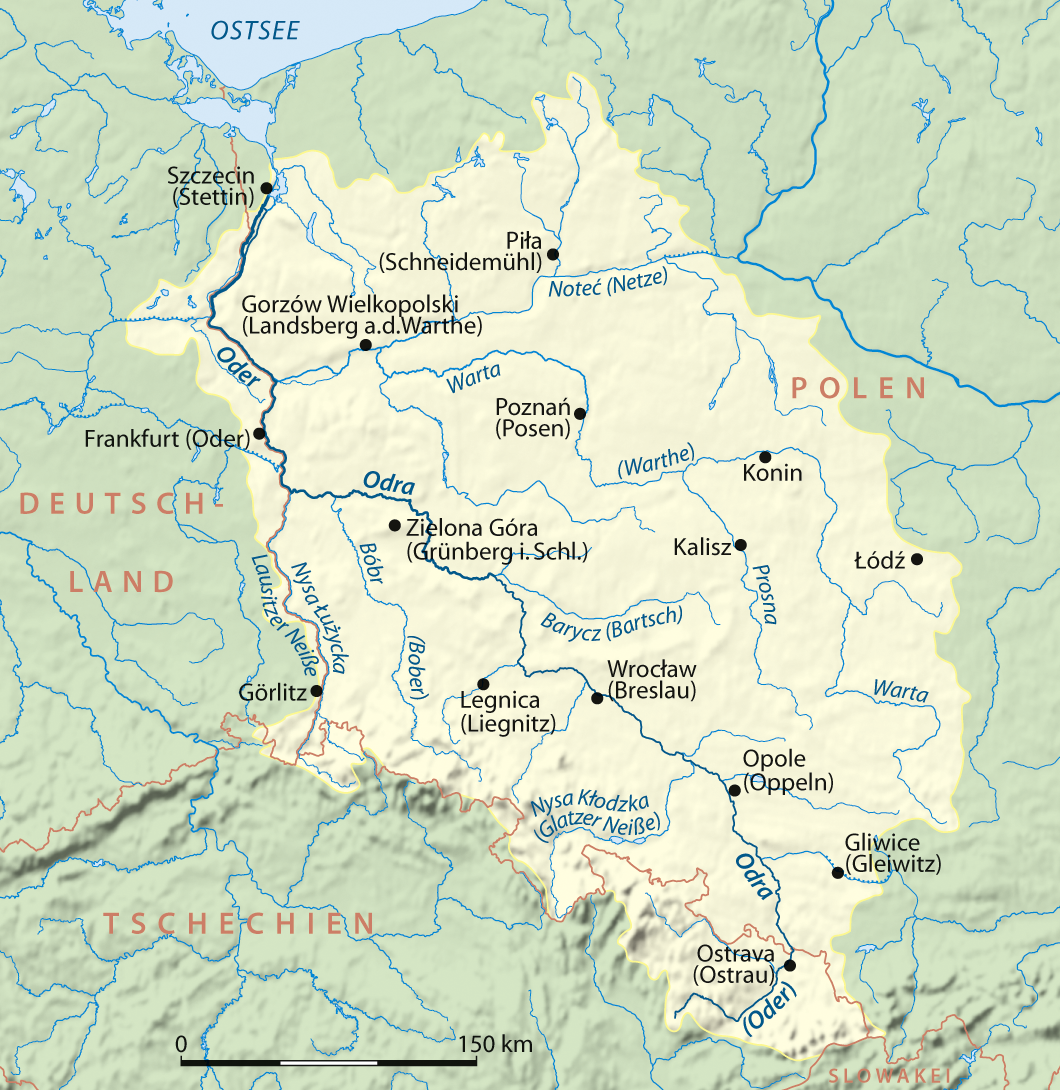
The Lusatian Neisse is a river in Central Europe that flows through the Czech Republic, Germany and Poland. Its names in local languages include Czech Lužická Nisa, German Lausitzer Neiße and Polish Nysa Łużycka. It is best known as the river that, together with the Oder, forms the post‑World War II border convention often referred to as the Oder–Neisse line. For a general reference see this river overview.
Image gallery
6 Images

Course and characteristics
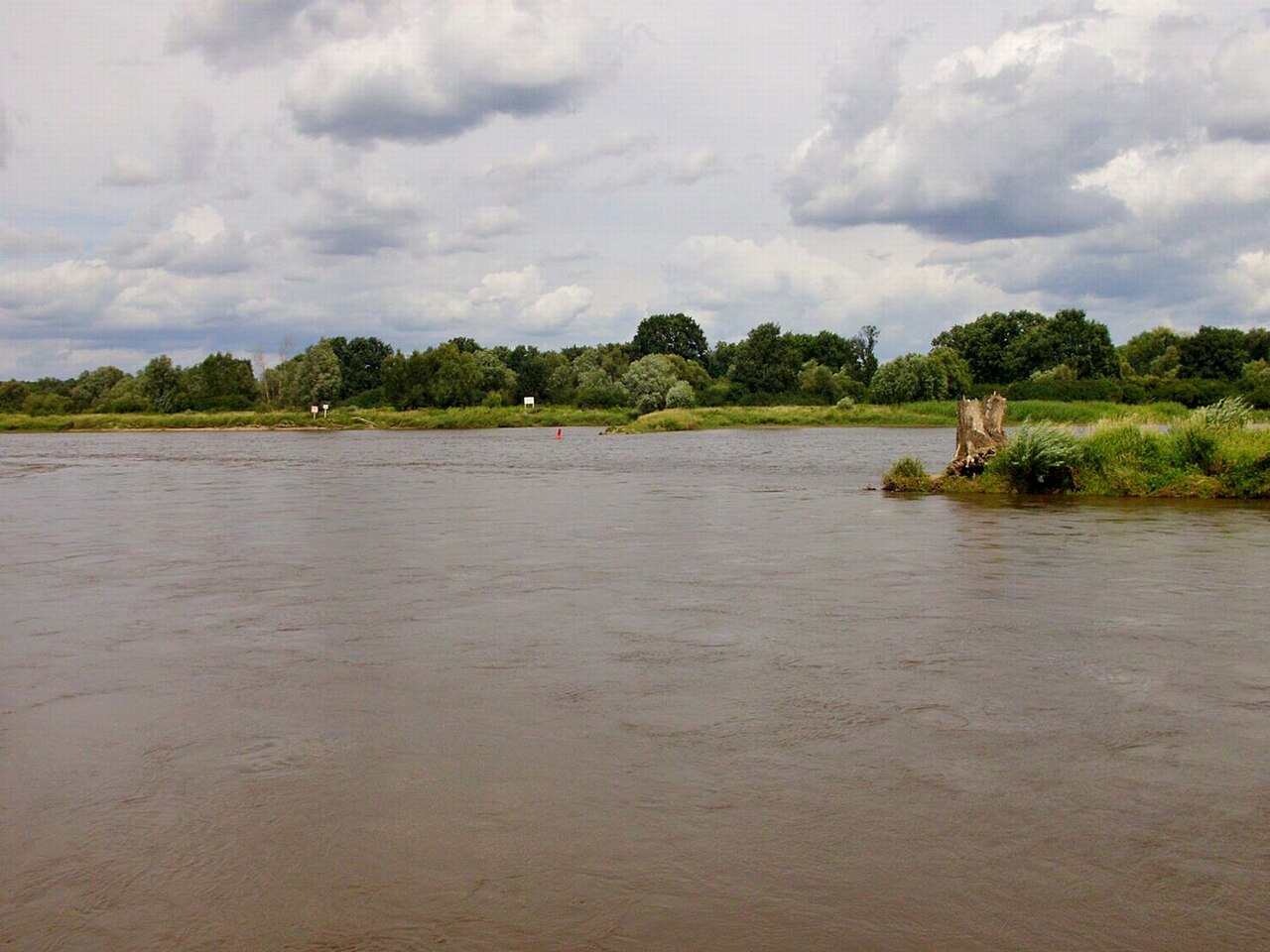
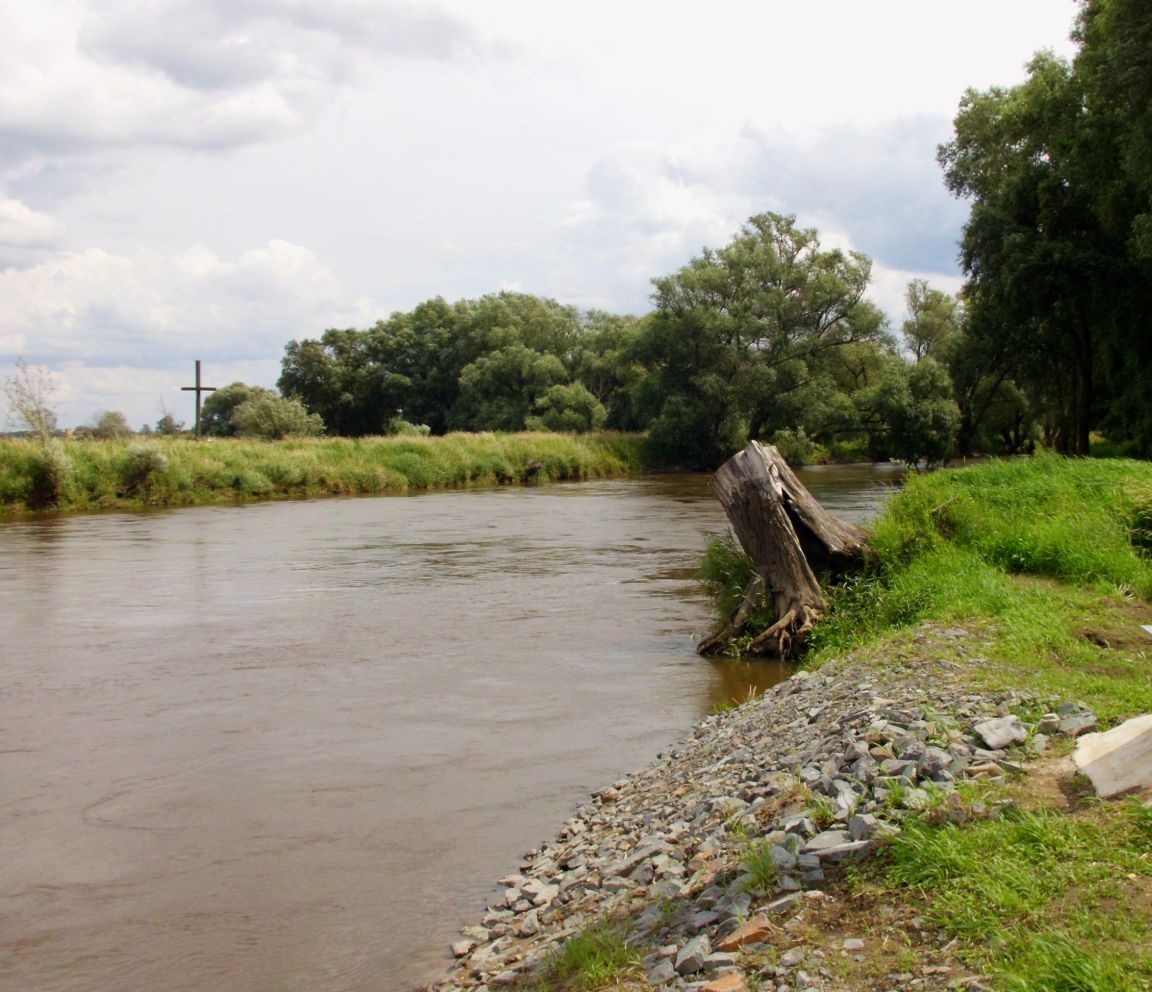
The Lusatian Neisse rises in the foothills of the Sudetes in the Czech Republic and flows generally northward before joining the Oder. Its total length is roughly 250 kilometers and it drains a basin that mixes upland and lowland landscapes. Along much of its middle and lower course the river marks the international boundary between Germany and Poland; it then enters the Oder near the border area. See regional entries for the Czech Republic, Germany and Poland for local geography.
Key features
- Names: appears under multiple local names reflecting the three countries it touches.
- Function: serves both as a natural watercourse and in modern times as a political boundary in places.
- Hydrology: combines mountain headwaters with flatter lower reaches and contributes to the Oder system.
History and political significance
The river acquired international prominence after 1945, when it figured in border arrangements between Germany and Poland as part of the wider Oder–Neisse frontier. That arrangement shaped population movements, administration and cross‑border relations in the region during the 20th century and into the European integration era. Historical and diplomatic summaries are available at sources discussing the Oder–Neisse line.
Uses, environment and contemporary relevance
Today the Lusatian Neisse supports local agriculture, small‑scale navigation, and recreational activities while sustaining habitats for freshwater species and riparian woodlands. Cross‑border cooperation has increased in recent decades to manage flood risk, water quality and nature conservation. For detailed local management and environmental projects, consult regional resources such as water authorities and national park or conservation pages in the three countries.
Related articles
Author
AlegsaOnline.com Lusatian Neisse Leandro Alegsa
URL: https://en.alegsaonline.com/art/59979