
Luxembourg (Belgium)
Belgium's southernmost province in Wallonia, known for Ardennes landscapes, rural economy, and historic towns such as Arlon and Bastogne; distinct from the neighbouring Grand Duchy of Luxembourg.
Overview
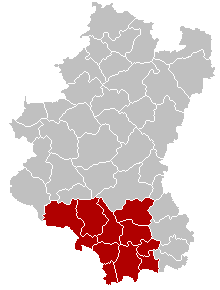
Luxembourg is the southernmost province of Belgium, and one of the five provinces that make up the Walloon Region. Its capital and administrative centre is Arlon (Arlon). Because of the shared name, it is commonly called "Belgian Luxembourg" to distinguish it from the neighbouring independent state, the Grand Duchy of Luxembourg (Grand Duchy of Luxembourg).
Image gallery
10 Images


Names and languages
The province has multilingual traditions and several local names: French: Luxembourg, Dutch: Luxemburg, German: Luxemburg, Luxembourgish: Lëtzebuerg and Walloon: Lussimbork. French is the primary official language used in administration and education, while regional languages and dialects remain part of local culture.
Geography and environment
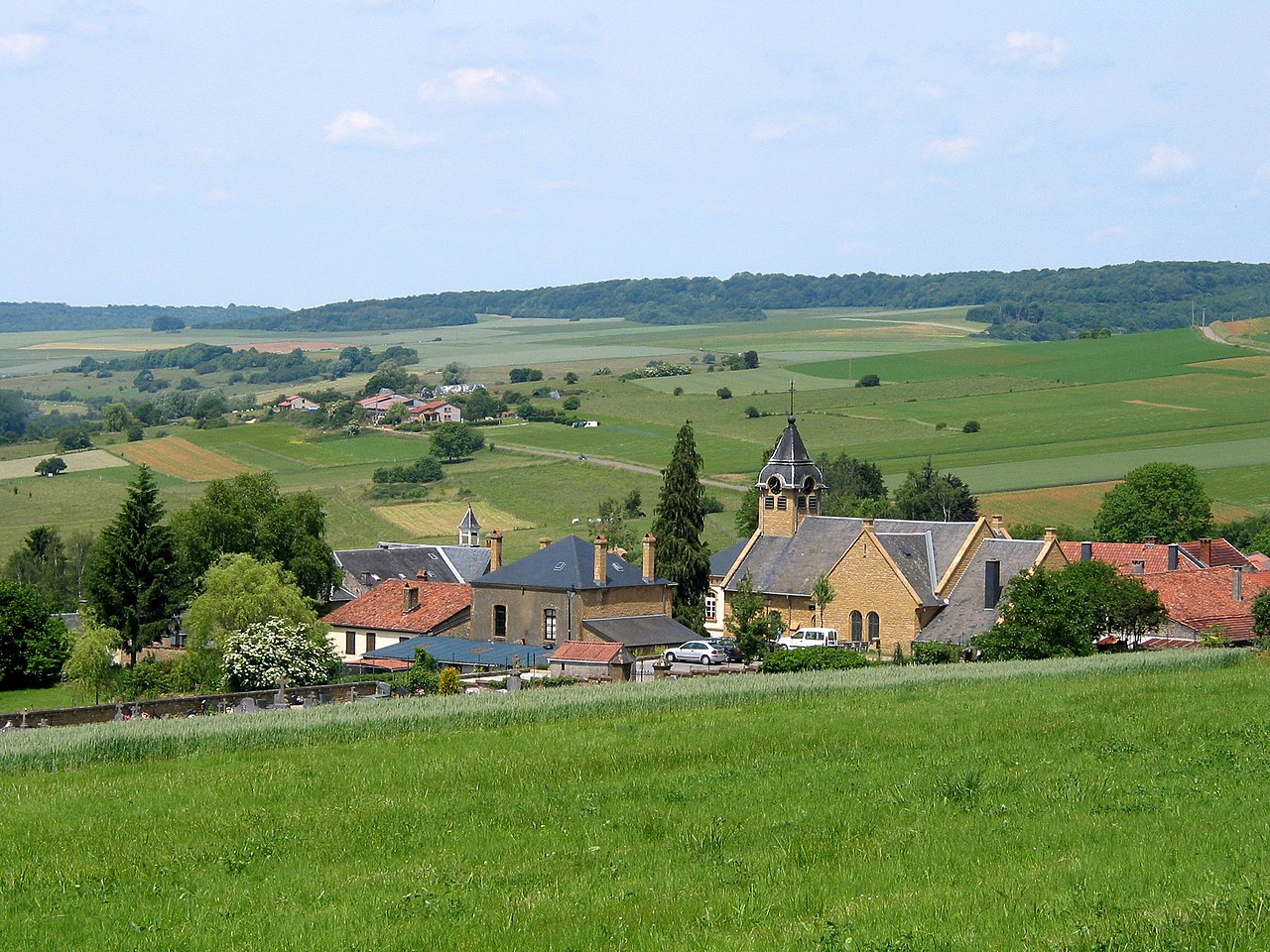
Located in southern Belgium, the province is largely rural and dominated by the Ardennes highlands: rolling hills, forests, river valleys and small agricultural plateaus. Major rivers and streams carve scenic valleys, and the area is popular for hiking, cycling and outdoor tourism. It shares internal Belgian borders with the provinces of Namur and Liège and international borders with France and the Grand Duchy of Luxembourg (Belgium and Wallonia are related administrative contexts).
History and identity
The territory of present-day Belgian Luxembourg has a complex history tied to the historical Duchy of Luxembourg and to shifting borders in the 19th century. Modern provincial boundaries date from that period and subsequent administrative reorganisations. Local identity reflects cross-border cultural ties with the neighbouring Luxembourg state as well as Belgian national institutions.
Administration, economy and culture
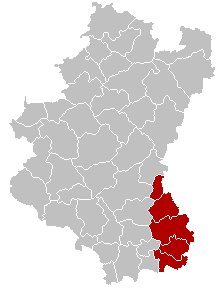
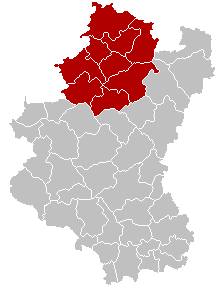
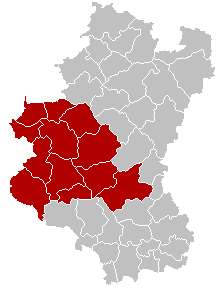
The province is divided into several administrative arrondissements and contains towns such as Bastogne, Marche-en-Famenne, Neufchâteau and Virton in addition to Arlon. The economy relies on agriculture, forestry, small industry and tourism; many visitors come for nature, heritage sites and outdoor recreation. Bastogne is internationally known for its role in the Second World War's Battle of the Bulge, a notable historical and commemorative focus.
Notable facts and distinctions
- The province is called Luxembourg but should not be confused with the neighbouring sovereign state (see name distinction).
- It is one of Belgium's least densely populated provinces and retains large tracts of natural landscape.
- Key towns and transport links support cross-border commuting and trade with the Grand Duchy.
For local administration, tourism information, and historical resources consult municipal centres and regional guides; further reading and official pages are available from regional authorities and cultural organisations (French name, Dutch name, German name, Luxembourgish name, Walloon name, Belgian context, Walloon context, Arlon, Grand Duchy).
Questions and answers
Q: What is the capital of Luxembourg?
A: The capital of Luxembourg is Arlon, located in the southeast of the province.
Q: What languages are spoken in Luxembourg?
A: In Luxembourg, French, Dutch, German, Luxembourgish and Walloon are all spoken.
Q: Is Luxemburg part of Belgium?
A: Yes, Luxemburg is a province of Belgium and Wallonia.
Q: Is Luxemburg related to the Grand Duchy of Luxembourg?
A: No, Luxemburg should not be confused with the Grand Duchy of Luxembourg.
Q: Where is Luxemburg located geographically?
A: Luxemburg is located in the southernmost region of Belgium and Wallonia.
Q: How many languages are spoken in Luxemberg?
A: Five languages are spoken in Luxemberg - French, Dutch, German, Luxembourgish and Walloon.
Related articles
Author
AlegsaOnline.com Luxembourg (Belgium) Leandro Alegsa
URL: https://en.alegsaonline.com/art/60037
Sources
- statbel.fgov.be : Population per municipality as of 1 January 2016
- statbel.fgov.be : Institut National de Statistique - Direction générale Statistique et Information économique