
Luggage (Baggage): Types, Features, History and Uses
Overview of luggage: common types, construction and features, historical development, airline considerations, packing tips, and modern innovations including smart and sustainable designs.
Overview
Luggage is the collection of bags, cases and containers people use to carry personal belongings while travelling. In everyday language the words "luggage" and "baggage" are often interchangeable; in the United States the term baggage is particularly common. Luggage ranges from simple daypacks to large trunks and is designed to balance capacity, protection and portability.
Image gallery
9 Images


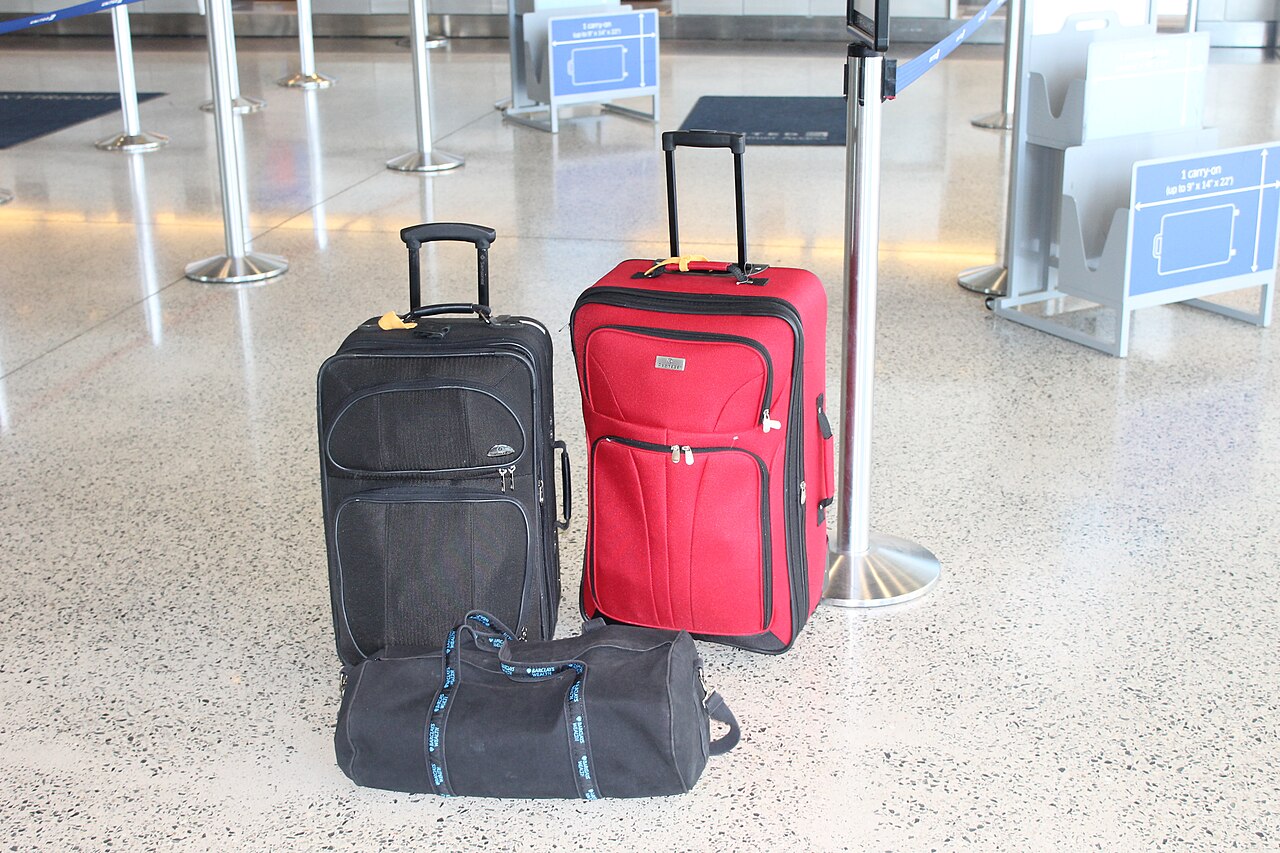


Types and characteristics
Modern luggage can be described by its form and intended use. Common categories include:
- Carry-on suitcases — compact, sized to fit aircraft overhead bins.
- Checked suitcases — larger cases that travel in the aircraft hold.
- Spinner and roller suitcases — wheeled models with two or four wheels for easy maneuvering.
- Backpacks and rucksacks — versatile for short trips and active travel.
- Duffel bags and wheeled duffels — flexible shape with large capacity.
- Trunks and hard cases — provide rigid protection for fragile items.
Materials and common features
Luggage is made from textiles such as nylon or canvas and from molded plastics or composite shells like polycarbonate and ABS. Typical features include telescoping handles, internal compartments, compression straps, external pockets and lockable zippers. Many suitcases now offer TSA-approved locks and reinforced corners; recent designs add built-in scales, USB charging ports, and GPS tracking modules.
History and development
The evolution of luggage reflects changes in transport and lifestyle. Large wooden and leather trunks were common in the 19th and early 20th centuries when long sea and rail voyages were typical. Lightweight fabrics and wheeled designs emerged with mass air travel: patents and commercial models for wheeled suitcases appeared in the late 20th century, and flight attendants and frequent flyers helped popularize convenient rollaboard styles.
Uses, regulations and practical tips
Choice of luggage depends on trip length, destination and mode of transport. Airlines set carry-on size limits, weight allowances and restrictions on batteries; passengers should check carrier rules before packing. Practical tips include packing soft items to protect fragile goods, distributing weight evenly, and using labeled compartments for quick access. For safety, use TSA-compliant locks when flying to allow inspection without damage.
Notable trends
Two recent trends deserve attention: smart luggage with integrated electronics (note that removable batteries are often required for air transport) and sustainability, which has encouraged recycled fabrics and repairable designs. When selecting luggage, balance durability, weight and features against cost and environmental impact to find an option suited to your travel needs.
Related articles
Author
AlegsaOnline.com Luggage (Baggage): Types, Features, History and Uses Leandro Alegsa
URL: https://en.alegsaonline.com/art/59812