
Lubumbashi — Congolese mining hub and the country's second-largest city
Lubumbashi, the Democratic Republic of the Congo's second-largest city, is a major mining and transport center in southeastern Congo, historically linked to Katanga and named for the Lubumbashi River.
Overview
Lubumbashi is the second-largest city in the Democratic Republic of the Congo. Located in the southeastern part of the country, it serves as the principal urban, commercial and administrative center of the region and takes its name from a nearby watercourse, the Lubumbashi River. The city is widely known as the chief gateway to the mineral-rich plateaus of the former Katanga region.
Image gallery
10 Images






Characteristics and urban structure
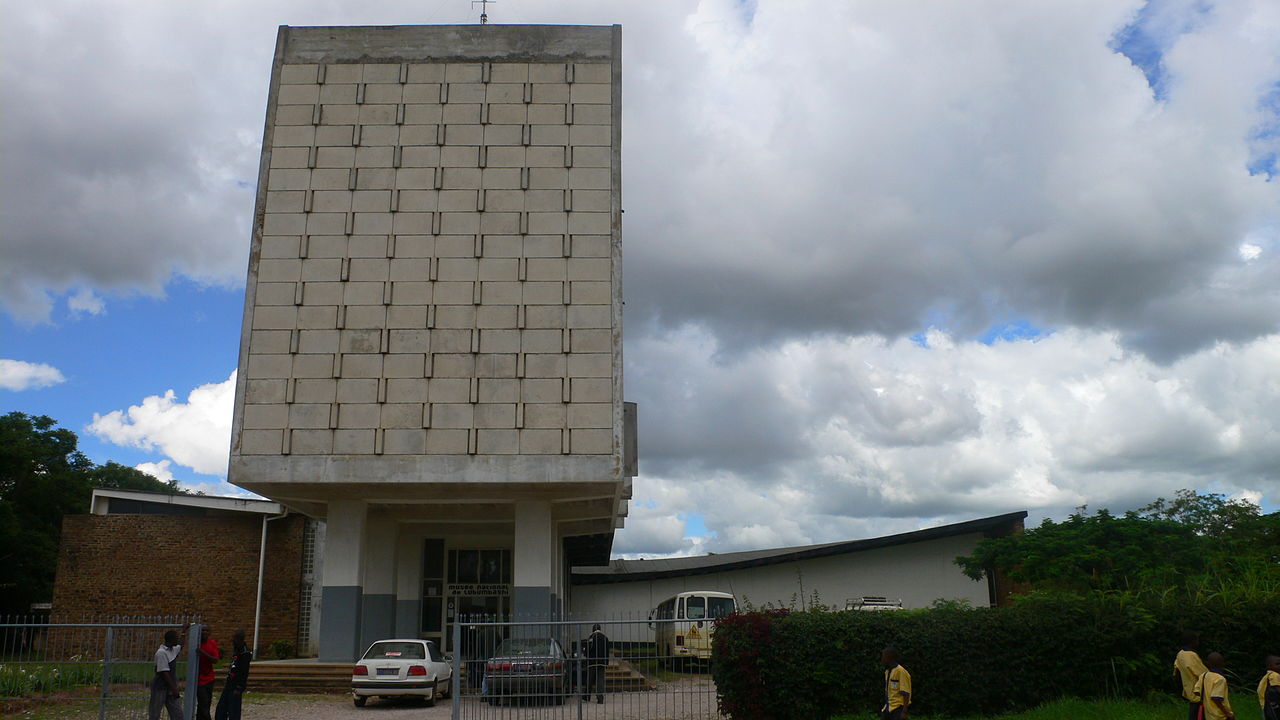
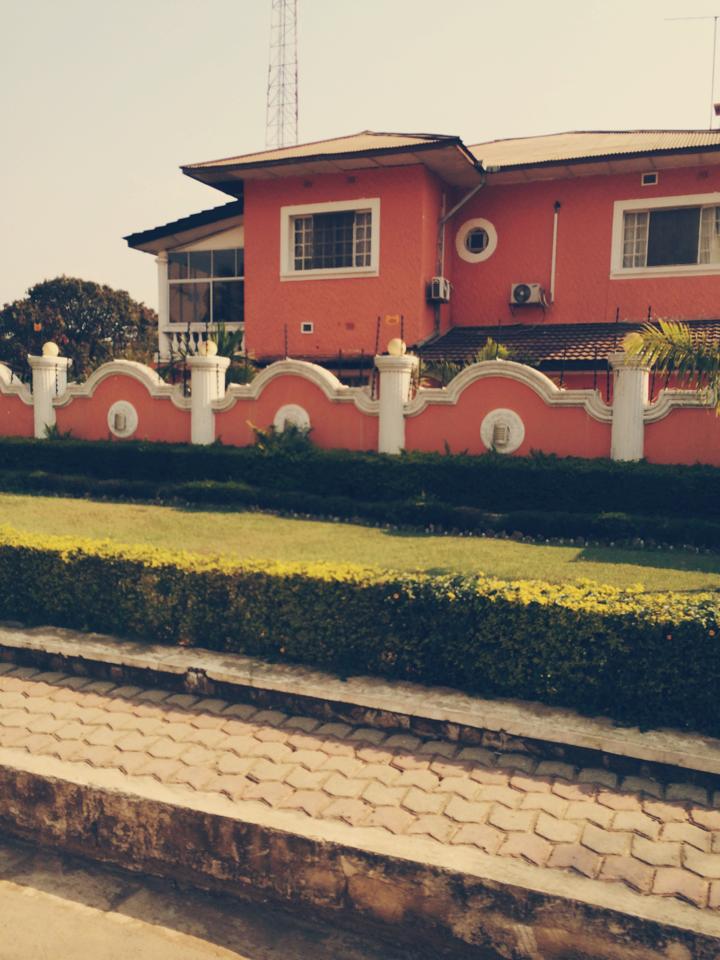
Lubumbashi combines a dense central business district, industrial zones tied to mining and metallurgy, and extensive residential suburbs. The urban fabric shows layers of history: colonial-era avenues and public buildings sit alongside post-independence developments and informal neighborhoods. The local climate is generally tropical with a pronounced rainy season, and the elevation moderates temperatures compared with lowland areas.
History and development
Founded in the early 20th century during Belgian colonial rule (originally named Élisabethville), Lubumbashi grew rapidly as European companies developed copper and other mineral deposits nearby. After independence it remained the economic heart of the copperbelt. The city has been central to regional political events, including periods of tension and attempts at secession in the mid-20th century that affected the broader province of Katanga.
Economy and transport
Mining — notably copper and cobalt — anchors the local economy and supports a cluster of processing and transport activities. Lubumbashi is a transport hub with rail connections toward the south (linking to neighboring countries), an airport serving domestic and regional flights, and road networks that connect mining concessions and agricultural areas. The city's economic role makes it important for national export earnings and for regional employment.
Culture, education and notable facts
Lubumbashi hosts universities and cultural institutions that attract students and professionals from across the region. Its population is ethnically diverse, reflecting migration tied to mining and commerce. Notable features include colonial-era architecture, markets, and civic landmarks. Environmental and social challenges related to extractive industries — such as pollution and boom-bust economic cycles — are part of contemporary discussions about the city's development and future.
- Key institutions: higher education, hospitals, industrial plants.
- Main activities: mining, transport, trade, services.
- Distinctions: long-standing role as the economic engine of southeastern Congo and a focus of regional political history.
Researchers and visitors often approach Lubumbashi as both a historical colonial city and a modern industrial center whose fortunes remain closely tied to the global demand for minerals.
Related articles
Author
AlegsaOnline.com Lubumbashi — Congolese mining hub and the country's second-largest city Leandro Alegsa
URL: https://en.alegsaonline.com/art/59660
Sources
- bbc.com : DR Congo's Lubumbashi hit by fighting
- bbc.com : Deadly gunfight in DR Congo mining capital Lubumbashi
- britannica.com : "Lubumbashi | Democratic Republic of the Congo"