
Luc-sur-Aude — small commune in Aude, Occitanie, France
Luc-sur-Aude is a small French commune in the Aude department of Occitanie. Rural, riverside, and historically layered, it had 246 inhabitants in 2017 and exemplifies southern French countryside life.
Overview
Luc-sur-Aude is a small commune in the Aude department of southern France. Its name, literally "Luc on Aude," indicates its situation beside the Aude river and within the administrative region of Occitanie. The recorded population was 246 inhabitants in 2017, reflecting its character as a lightly populated, rural settlement.
Image gallery
1 Image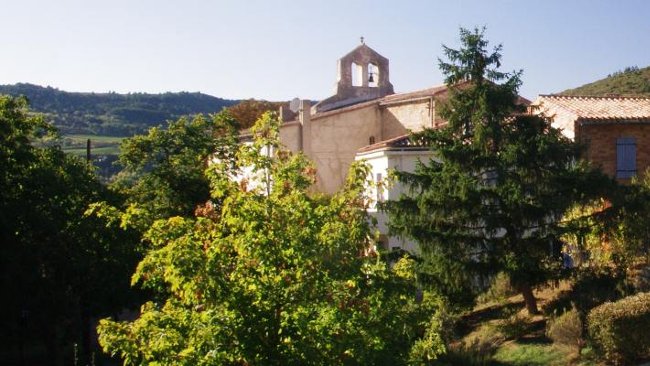
Location and name
The element "sur-Aude" signals the commune's relationship to the river Aude, an important watercourse in the area. Luc-sur-Aude lies in the departmental territory administered from Aude and forms part of the broader cultural and geographic landscape of Occitanie. The village's name follows a common French toponymic pattern that links a locality to a nearby river.
Administration and demographics
As a French commune it has a municipal council and mayor responsible for local services typical of small municipalities (civil registry, local planning, basic infrastructure). Demographic trends in such communes often show stable or slowly changing populations, with residents employed in nearby towns, agriculture, or small local businesses.
Character, economy and heritage
Luc-sur-Aude exemplifies rural southern France: modest housing, agricultural parcels, and a local road network connecting it to neighboring communes. The economy in this part of Aude commonly includes mixed farming, vineyards, and small-scale tourism. Historic layers across Aude include medieval and Occitan traditions, which shape local architecture and cultural life without implying any single outstanding monument in every village.
Visiting and practical notes
Visitors should expect a quiet village atmosphere, limited commercial services, and proximity to natural landscapes. Useful actions include contacting the town hall for local information, checking regional transport links, and respecting countryside regulations. For administrative, geographic or statistical references consult departmental and regional sources such as the prefecture or the Occitanie regional portal via official pages and national datasets linked through data services.
Further context
- Typical features: small mairie (town hall), village church or chapel, agricultural plots.
- Regional culture: Occitan language traces, Mediterranean-influenced climate.
- Practical links: local administration, department tourism, regional transport.
Related articles
Author
AlegsaOnline.com Luc-sur-Aude — small commune in Aude, Occitanie, France Leandro Alegsa
URL: https://en.alegsaonline.com/art/59665