
Lower Silesian Voivodeship (Dolnośląskie)
A southwestern Polish province centered on Wrocław, noted for diverse landscapes, industrial and cultural heritage, national parks, and a complex history shaped by Central European powers.
Overview
The Lower Silesian Voivodeship (Polish: Województwo dolnośląskie) is one of Poland's 16 provinces. It occupies a portion of the historical region called Lower Silesia in the country's south‑west. The region's administrative capital and largest city is Wrocław, a major academic, cultural and economic centre.
Image gallery
10 Images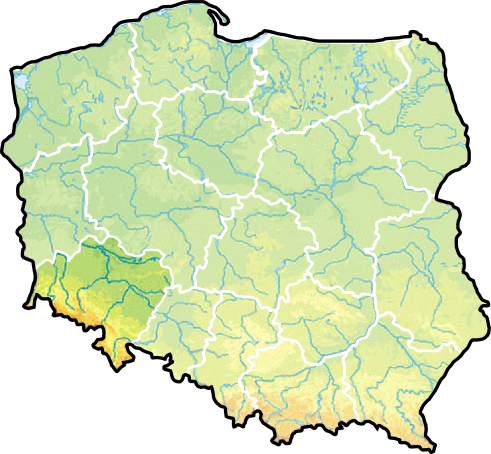




Geography and natural features
Situated in southwest Poland, the voivodeship reaches from lowlands in the north to mountainous borderlands in the south. It adjoins Germany to the west and the Czech Republic to the south. The area contains protected landscapes and two national parks: Karkonosze National Park in the high Sudetes and Stołowe Mountains National Park, known for its flat‑topped sandstone formations. Rivers, forests and varied relief make the province important for nature tourism and outdoor recreation.
Administration and development
The voivodeship was established on 1 January 1999 as part of a nationwide administrative reform that replaced several smaller units; it brought together territories formerly administered from Wrocław, Legnica, Wałbrzych and Jelenia Góra. The province is subdivided into counties (powiats) and communes (gminas), and its institutions coordinate regional planning, transport and economic policy. For an official outline see regional overview and for the 1999 reform text consult legislative background.
History and identity
Lower Silesia has a layered past: over centuries it was shaped by Polish, Bohemian (Czech), Austrian and Prussian/German rule before returning to Poland after World War II. That history is visible in architecture, urban layouts and cultural institutions across the voivodeship. Important cities besides Wrocław include Legnica, Wałbrzych and Jelenia Góra, each with distinct industrial and cultural legacies.
Economy, culture and tourism
The regional economy mixes services, manufacturing and mining; copper and other mineral extraction have been especially significant in parts of the province. Wrocław hosts universities, museums and theaters that anchor cultural life. Spa towns, castles and mountain resorts draw domestic and international visitors. For maps and practical travel information see local maps and Silesian region guides.
Notable facts and attractions
- Wrocław: a vibrant urban centre with a historic market square and modern institutions (see city portal).
- Natural parks: well‑known protected areas include the Karkonosze and Stołowe Mountains (Karkonosze, Stołowe).
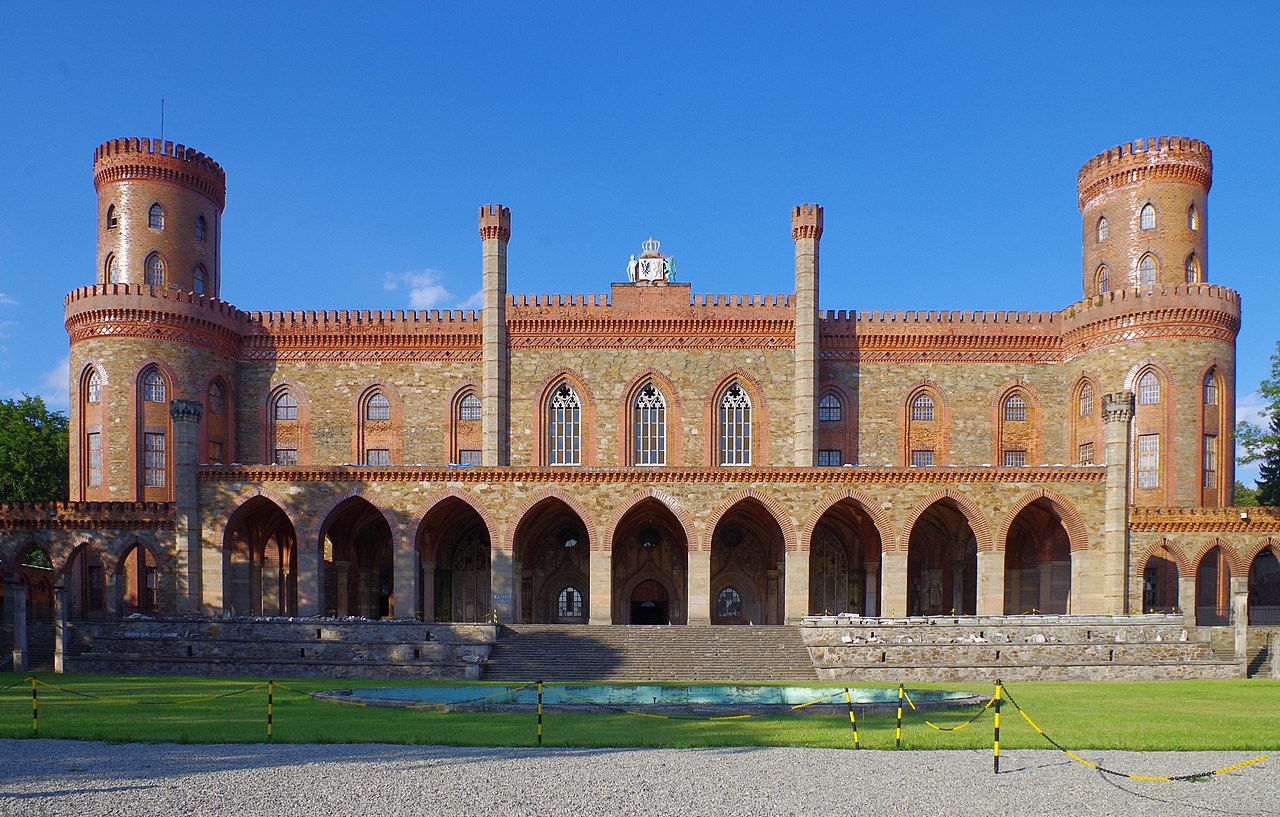
- Heritage: castles, mining sites and centennial architecture reflect the region's Central European past; selected sites are described in regional guides (heritage resources).
- Access: the voivodeship is a transport hub connecting Poland westwards and southwards—see general travel pages for routes and services (transport and administration).
The Lower Silesian Voivodeship combines natural diversity, industrial roots and a rich cultural inheritance, making it a prominent region in modern Poland and Central Europe.
Related articles
Author
AlegsaOnline.com Lower Silesian Voivodeship (Dolnośląskie) Leandro Alegsa
URL: https://en.alegsaonline.com/art/59607