
Lubusz Voivodeship: western Poland region with shared capitals
Lubusz Voivodeship is an administrative region in western Poland known for its shared-capital arrangement, border location with Germany, forests, rivers and mixed agricultural and industrial economy.
Overview
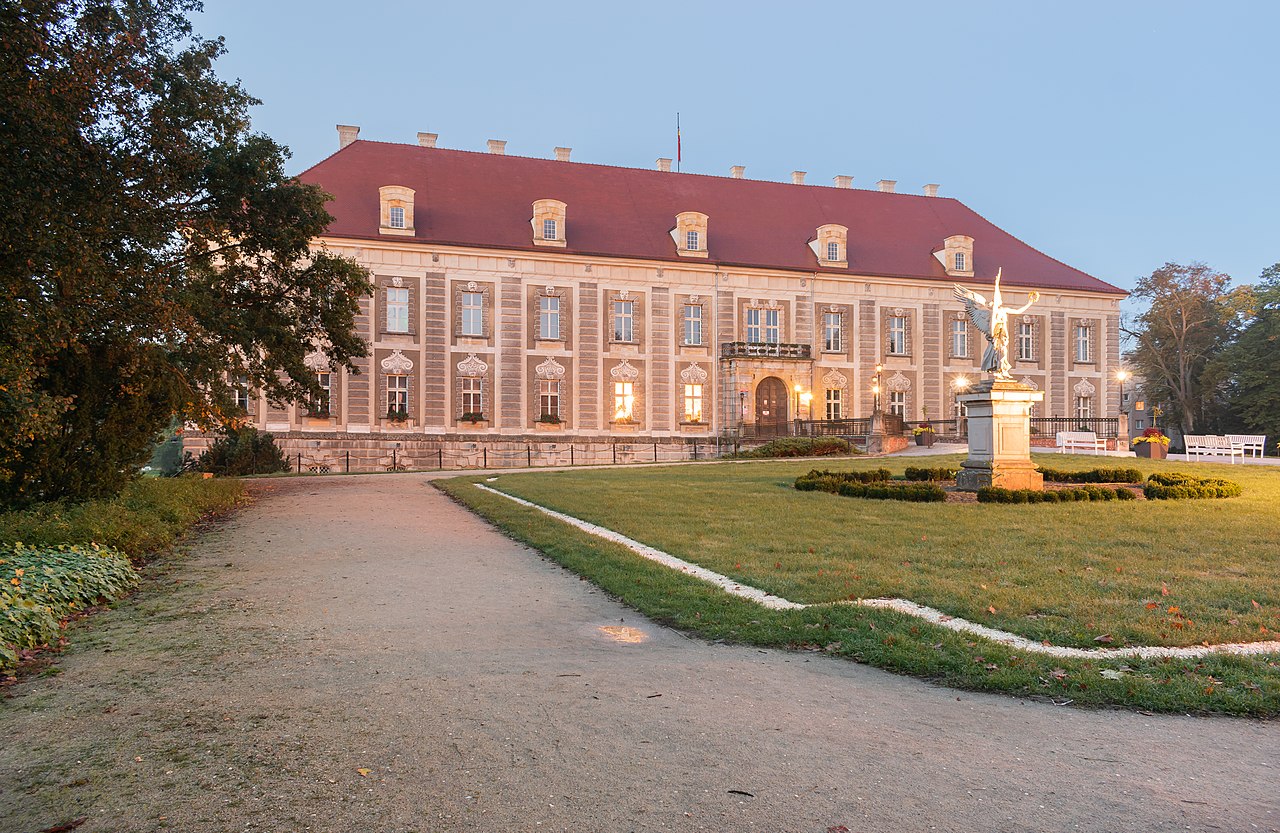
Lubusz Voivodeship is an administrative region in western Poland. The unit is commonly referred to as a voivodeship or province (province) within the Polish state (Poland). Unusually, the voivodeship maintains a dual-seat structure: certain central government offices are located in Gorzów Wielkopolski (Gorzów Wielkopolski) while the elected regional authorities and many executive functions operate from Zielona Góra (Zielona Góra). This arrangement is often described as sharing the role of regional capital.
Image gallery
10 Images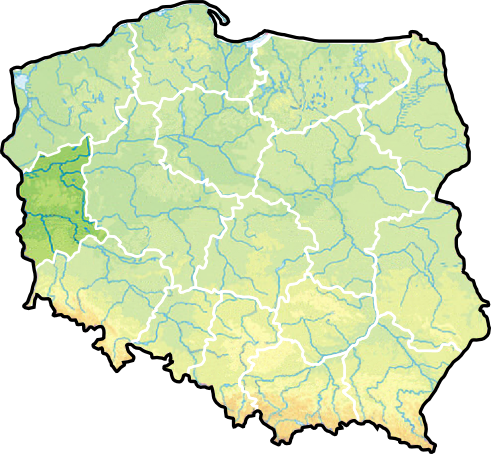




Geography and administration
Lubusz lies along important rivers and woodlands in western Poland, stretching to the border with Germany. Its landscape combines river valleys, lakes, and significant forest cover; agriculture and timberlands are prominent. Administratively the voivodeship is divided into counties and communes, with several medium-sized towns and a number of protected natural areas.
History and development
The name recalls the medieval Lubusz Land (terra Lubuska), a frontier region with a complex past: it has historically been influenced by Polish and German states and later by Prussian administration. After World War II the area was reintegrated into Poland and underwent demographic and administrative change. The current voivodeship was created on 1 January 1999 as part of a nationwide reform that merged the former Gorzów Wielkopolski and Zielona Góra administrative units into a single province.
Economy, culture and uses
The region's economy mixes agriculture, light manufacturing, and cross-border trade. Zielona Góra is notable for its long viticultural tradition and annual wine festival, while Gorzów Wielkopolski has more industrial and administrative roles. Border towns, notably Słubice (facing Frankfurt (Oder) across the Oder river), serve as commercial and transport hubs between Poland and Germany.
Nature, tourism and transport
Lubusz attracts visitors for outdoor recreation: boating on rivers, cycling through forests and wildlife watching in protected zones. It contains nationally important reserves and at least one national park among its protected areas, as well as several landscape parks. Good road and rail links connect the voivodeship internally and to neighbouring regions and across the German border.
Major centres and notable facts
- Major cities: Gorzów Wielkopolski, Zielona Góra, and other towns that balance administrative, cultural and economic roles.
- Border location: the voivodeship shares a frontier with Germany, facilitating cross-border cooperation and trade.
- Shared capital model: one of the few Polish provinces where functions are split between two cities, a distinctive administrative feature.
For further regional details and official information see local government resources and cultural guides that cover Lubusz's towns, protected landscapes and historical heritage.
Related articles
Author
AlegsaOnline.com Lubusz Voivodeship: western Poland region with shared capitals Leandro Alegsa
URL: https://en.alegsaonline.com/art/59661
Sources
- stat.gov.pl : "Population. Size and structure and vital statistics in Poland by territorial divison in 2019. As of 30th June"
- tools.wmflabs.org : 52°11′43″N 15°20′51″E / 52.19528°N 15.34750°E / 52.19528; 15.34750
- wikidata.org : wikidata.org/wiki/Q54157
- d-nb.info : 4596737-4
- isni.org : 0000 0004 0621 7753
- id.loc.gov : n2001105293
- musicbrainz.org : 8a3de21e-6bb8-4dcd-9460-5bdbe26ee2bc
- aleph.nkp.cz : ge116867
- viaf.org : 312774500
- worldcat.org : lccn-n2001105293