
Lower Kohistan District
Lower Kohistan is a mountainous administrative district in Hazara Division, Khyber Pakhtunkhwa, Pakistan, formed in 2014 when Kohistan District was divided into Upper and Lower Kohistan.
Overview
Lower Kohistan is an administrative district in Hazara Division of Khyber Pakhtunkhwa province in northern Pakistan. It was created in 2014 when the former Kohistan District was divided into two separate districts to improve local governance and service delivery. The district is known for its rugged terrain, deep river valleys and a patchwork of small settlements linked by narrow roads.
Image gallery
4 Images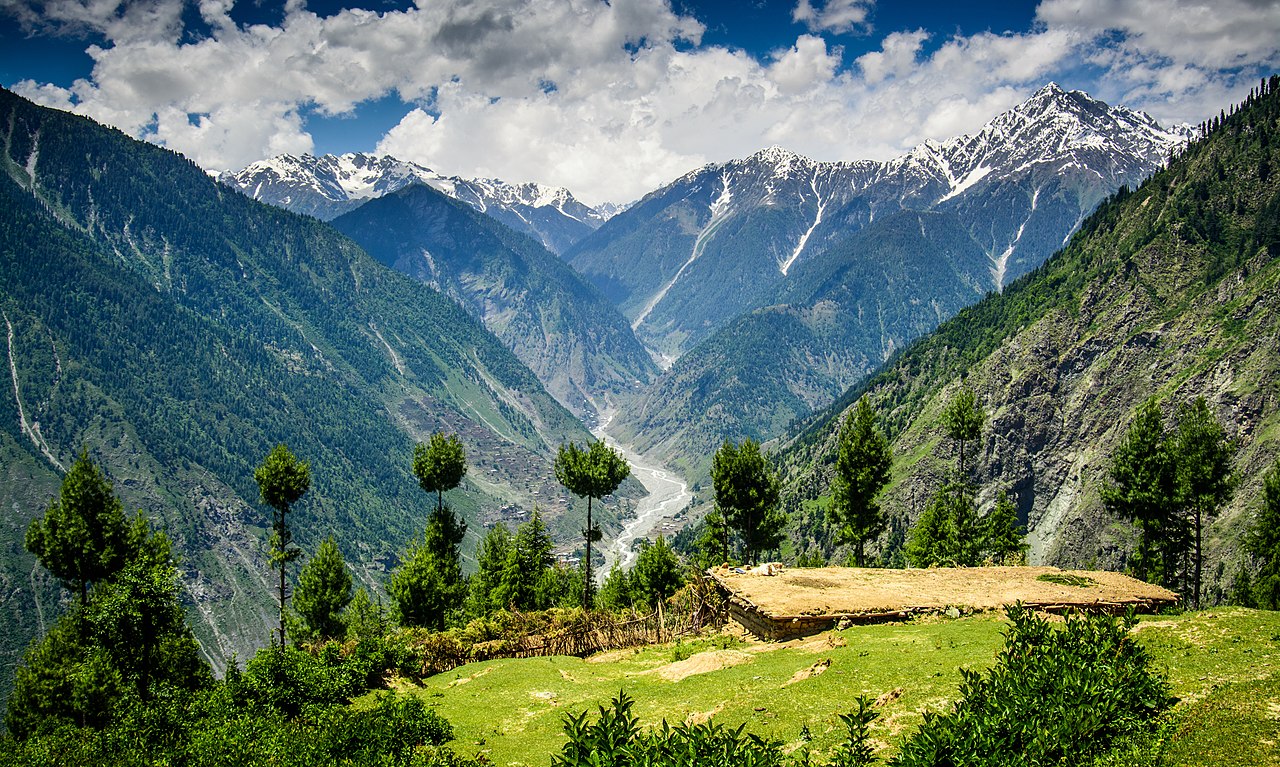


Geography and population
The district lies within the western foothills of the greater Himalayan and Hindu Kush ranges. Landscapes include steep mountains, terraced fields and rivers that feed larger basins. Communities are scattered across valleys and upland pastures; population centers tend to be compact and rural. Languages of the area include several Dardic (Kohistani) varieties, alongside Pashto and Urdu used for wider communication.
History and administration
Administratively, the present Lower Kohistan was formed from the split of the larger Kohistan District in 2014, an action intended to create manageable local units. The district has its own local government structures and administrative subdivisions to handle civic affairs, development planning and law and order at a closer level than previously possible under the larger district arrangement.
Economy and culture
Economic life is largely based on subsistence agriculture, livestock, small-scale horticulture and seasonal work. Traditional practices and community institutions remain important; local jirgas and village councils play a role in dispute resolution and communal decisions. The area has cultural distinctiveness expressed in language, dress and folk customs that differ from lowland regions.
Importance and challenges
Lower Kohistan is significant for its natural scenery, cultural diversity and potential for hydropower and mountain tourism. At the same time it faces challenges common to many mountainous districts: limited road access, constrained public services, and the need for sustainable infrastructure and education improvements. Ongoing administrative adjustments and development projects aim to address these issues.
- Administrative profile: district overview
- Provincial context: Hazara Division
- National context: Pakistan
- Former united district: Kohistan District
- New neighboring unit: Upper Kohistan
Related articles
Author
AlegsaOnline.com Lower Kohistan District Leandro Alegsa
URL: https://en.alegsaonline.com/art/59601