
Lower Bavaria (Niederbayern): Geography, Administration, Economy and Major Towns
Overview of Lower Bavaria (Niederbayern): geography, administrative structure, economy, transport links and major towns such as Landshut, Straubing, Passau and Deggendorf, with regional history and identity.
Lower Bavaria (in German: Niederbayern, pronounced [ˈniːdɐbaɪ̯ɐn] — listen 
Image gallery
1 Image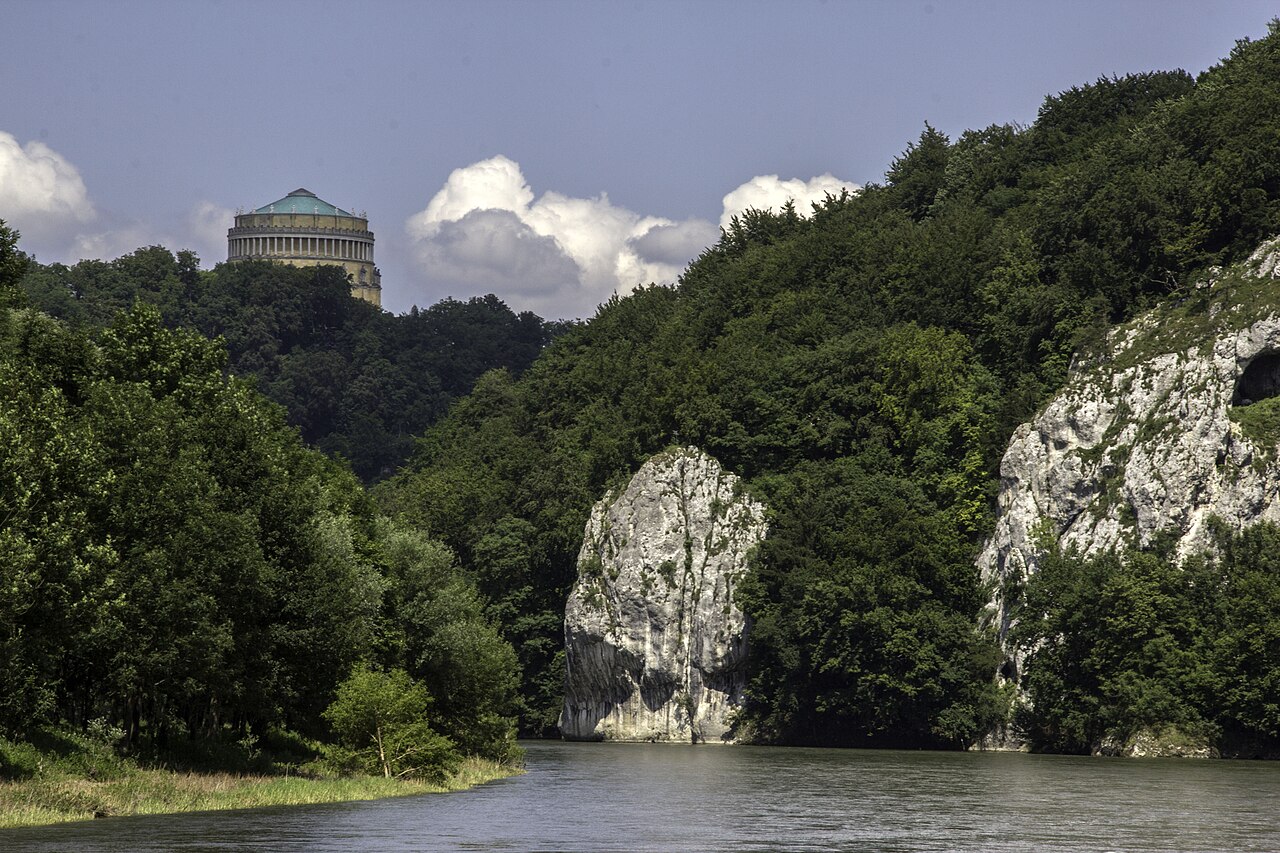
Geography
The region stretches across the lower reaches of the Danube and rises into the foothills of the Bavarian Forest in the east. Its landscape combines river plains, rolling countryside and wooded highlands. To the east and southeast parts of Lower Bavaria share borders with neighbouring states and countries, giving the region both cross-border connections and a mix of cultural influences.
Administration and towns
Lower Bavaria is an administrative unit of the Bavarian state government, with its regional authorities based in the city of Landshut. The area contains several important urban centres and district seats; prominent towns include:
- Landshut (administrative centre)
- Straubing
- Passau
- Deggendorf
Economy and transport
The local economy is diverse, blending agriculture, medium-sized manufacturing, and modern industry. Automotive suppliers and vehicle assembly plants are significant employers in parts of the region. Freight and passenger movement follow the Danube corridor, supported by an extensive network of roads and rail links that connect Lower Bavaria with Munich, other Bavarian regions, and neighbouring countries.
History and identity
As an administrative entity, Lower Bavaria emerged during the 19th-century reorganisation of Bavarian territory. The name reflects its position along the lower course of the Danube within historic Bavaria. Cultural traditions, dialects and regional customs in Lower Bavaria show a mix of Bavarian and Central European influences.
Related articles
Author
AlegsaOnline.com Lower Bavaria (Niederbayern): Geography, Administration, Economy and Major Towns Leandro Alegsa
URL: https://en.alegsaonline.com/art/59590
Sources
- statistikdaten.bayern.de : "Fortschreibung des Bevölkerungsstandes"