
Love County, Oklahoma
Rural county on Oklahoma’s southern border with Texas. County seat Marietta; small population (9,423 in 2010). Economy shaped by agriculture, local services, cross‑border ties and regional transportation.
Overview
Love County is a small, largely rural county in the southern part of the state of Oklahoma. It lies along Oklahoma’s border with Texas and combines farmland, small towns and transportation corridors that link it to nearby urban centers. The county seat is the county seat Marietta. As recorded in the 2010 U.S. census, the county had a population of 9,423.
Image gallery
2 Images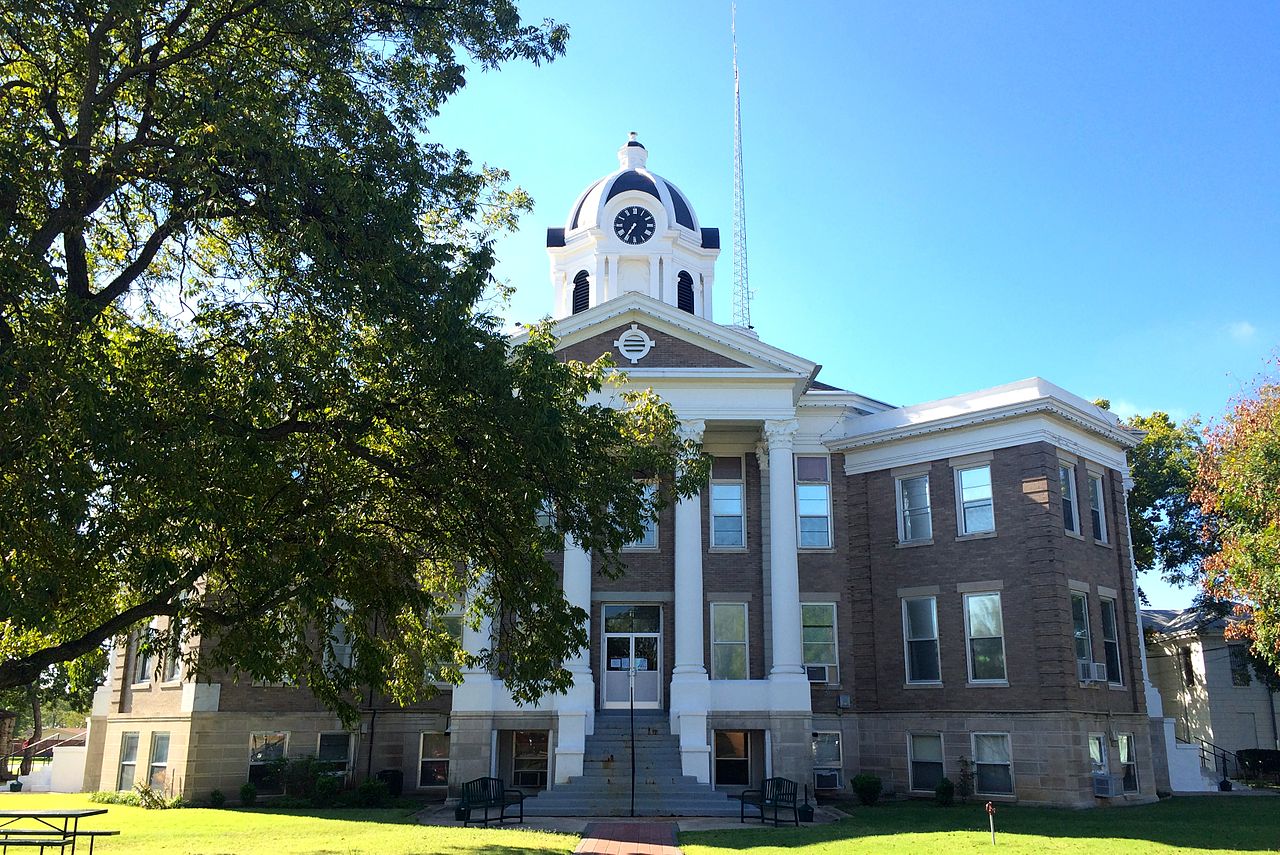

Geography and landscape
The county occupies part of the Red River plain and includes rolling prairie, pastureland and small streams. Its southern boundary follows the state line and the landscape supports crop farming, livestock and patches of woodland. The county’s rural roads and state highways provide links to regional markets and to neighboring Texas communities.
History and name
Love County’s settlement history reflects patterns common in southern Oklahoma: Indigenous presence, 19th‑century ranching and farming, and the later establishment of towns and county government. The county was organized in the early decades after Oklahoma achieved statehood and takes its name from a local figure associated with the region’s settlement era.
Economy and demographics
Agriculture and ranching have long been important to the local economy. In addition, small manufacturing, retail, service businesses and travel‑related activity contribute to employment. In recent decades the presence of destination entertainment and gaming facilities in the border area has also affected jobs and local revenues. Demographically, the county is sparsely populated compared with urban counties and exhibits trends common to rural areas, including reliance on nearby cities for specialized health and educational services.
Communities and government
Marietta serves as the county’s administrative and civic center, housing many county offices and courts. Other small towns and unincorporated places across the county support local schools, churches and community organizations. The county government is responsible for roads, public safety, land records and other routine services, and it often works with neighboring counties and state agencies on regional concerns.
Transportation and regional links
State highways and regional roads provide the main transportation routes through the county and facilitate cross‑border commerce with Texas. The county’s position in the Texoma area ties it economically and socially to larger population centers on both sides of the state line, and many residents travel outside the county for work, shopping and specialized medical care.
Culture and notable features
Local cultural life centers on community events, county fairs, high school sports and volunteer organizations that are typical of small‑town Oklahoma. Recreational opportunities include fishing, hunting and outdoor activities in the county’s rural landscape. The county’s border location and small population contribute to a distinctive local identity shaped by both Oklahoma and Texas influences.
Further information
General information about county services, elected officials and public records is available through county offices and regional planning organizations. For maps and official contacts consult county resources and state publications maintained for Oklahoma counties.
Related articles
Author
AlegsaOnline.com Love County, Oklahoma Leandro Alegsa
URL: https://en.alegsaonline.com/art/59521