
Lope de Rueda (c. 1510–1565) — Spanish dramatist and actor
Early Spanish dramatist and actor whose pasos, comedies and farces helped shape professional theatre and anticipate the Golden Age of Spanish drama.
Lope de Rueda (c. 1510–1565) was a Spanish dramatist, actor and theatre manager born in Seville and who died in Córdoba. He is often cited as a central figure in the development of Iberian popular theatre during the mid-16th century. Working as a writer and performer, Rueda produced short comic interludes and longer plays that combined everyday humour with deliberate stagecraft, helping to bridge medieval theatrical customs and the later comedia tradition.
Image gallery
2 Images
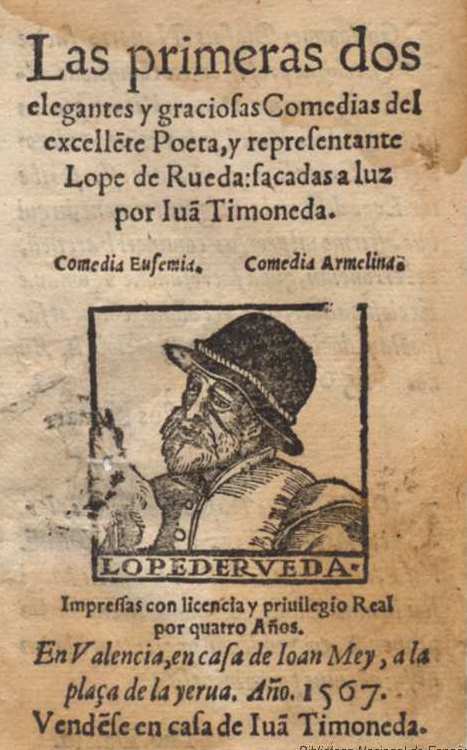
Works and style
Rueda's surviving pieces show a mixture of formal and popular modes. He wrote comedies, farces and pasos, the latter being brief, comic sketches focused on ordinary characters and situations. His dramas frequently pair prose passages with verse, use vivid dialogue and physical comedy, and prefer direct action over symbolic or heavily allegorical structure. These qualities made his plays especially effective for the varied performing circumstances of the period.
Typical characteristics found in his work include:
- Plainspoken, colloquial language intended to engage broad audiences.
- Economical scenes and clear motivations suited to touring troupes and modest stages.
- Stock social types—servants, urban tradespeople, gulls and braggarts—rendered with comic precision.
Performance practice and career
Rueda combined writing with active stage life: as an author and performer he led a company that toured Andalusia and appeared in civic and private venues. His practical experience as an actor-manager shaped pieces that could be mounted with limited scenery and small casts, and it contributed to emerging routines of repertory and touring that later dramatists exploited on a larger scale.
Historical importance and legacy: Rueda is regarded as a precursor of the Spanish Golden Age. Rather than producing an overwhelmingly large surviving canon, his influence is visible in the theatrical forms and practices he helped to popularize. Later playwrights adapted and expanded the genres he worked in, and elements of his style—energetic dialogue, social comedy, and accessible staging—persisted into the 17th century.
Notable distinctions and facts: he should not be confused with later figures such as Lope de Vega. Many of Rueda's pieces circulated in manuscript or were printed after his death; modern appreciation relies on these fragmentary texts and on contemporary reports of his performances and troupe. Scholars continue to study his role as an intermediary between earlier ritual and spectacle and the professional dramatic culture that followed.
Questions and answers
Q: Who was Lope de Rueda?
A: Lope de Rueda was a Spanish dramatist and author who was regarded by some as the best of his era.
Q: When was Lope de Rueda born and where?
A: Lope de Rueda was born in Seville around 1510.
Q: When did Lope de Rueda die and where?
A: Lope de Rueda died in Cordoba in 1565.
Q: What kind of writer was Lope de Rueda?
A: Lope de Rueda was a very versatile writer who wrote comedies, farces, and pasos.
Q: What is Lope de Rueda known for in Spanish literature?
A: Lope de Rueda is known as the precursor to what is considered the golden age of Spanish literature.
Q: What kind of dramas did Lope de Rueda write?
A: Lope de Rueda wrote comedies, farces, and pasos.
Q: Why was Lope de Rueda considered the best of his era by some?
A: Lope de Rueda was considered the best of his era by some due to his versatility as a writer and his contributions to Spanish literature.
Related articles
Author
AlegsaOnline.com Lope de Rueda (c. 1510–1565) — Spanish dramatist and actor Leandro Alegsa
URL: https://en.alegsaonline.com/art/59188