
Lope de Vega: life, works, and influence on the Spanish Golden Age
Spanish playwright and poet Lope de Vega (1562–1635) transformed Spanish theatre with prolific dramatic output, shaping the comedia nueva and leaving a lasting legacy in poetry, drama and national literature.
Lope Félix de Vega Carpio (25 November 1562 birth – 27 August 1635 death) was a leading figure of early modern Spanish letters. He is widely described as a Spanish poet and dramatist and is often associated with the literary energy of the Baroque period; many sources characterize him as a Baroque playwright whose work bridged popular theatre and learned verse. As a poet, he also produced lyric and narrative poems that circulated in manuscript and print throughout his lifetime.
Lope's output was astonishing in scale. Contemporary scholarship estimates the total number of plays he produced at between 1,500 and 2,500, with roughly four to five hundred plays and dramatic fragments extant today; these figures are commonly cited when describing his contribution to Spanish letters. The surviving corpus includes full-length comedias, zarzuelas, entremeses (short comic interludes) and numerous poems of different genres. His prolific production helped supply a thriving Madrid theatre scene and establish repertory practices that lasted for generations. Estimates of his dramatic output underline the extraordinary scale of his career.
Image gallery
6 Images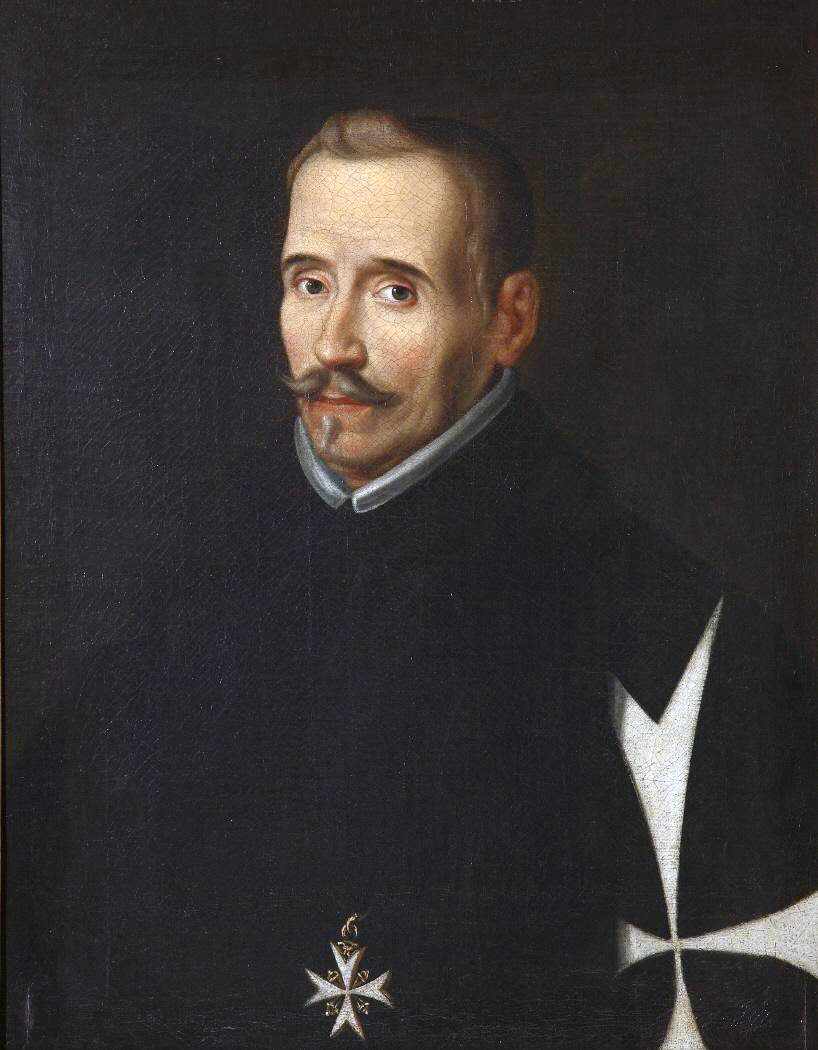


Style and theatrical innovations
Lope de Vega helped formulate what became known as the comedia nueva: a flexible dramatic form that mixed comic and tragic elements, varied verse meters, and paid attention to theatrical spectacle. He rejected strict classical unity of time and place in favor of plays that prioritized action, popular appeal and swift changes of tone. His characters range from nobility to servants, reflecting social contrasts and often foregrounding honor, love, and individual choice. Critics note his ability to combine rhetorical skill with stageable plots suited to the commercial theatre.
Life and career highlights
Born in Madrid, Lope spent much of his life active in the metropolis as a playwright, occasional soldier, civil servant and later a priest. His long career included periods in Valladolid and Seville, work with touring companies, and engagement with patrons and the court. Personal drama—marriages, disputes, and legal entanglements—shaped public perception of him, but his professional reputation rested on the volume and variety of his works. He took holy orders late in life and continued to write until his death.
Representative works and themes
- Fuenteovejuna – a communal drama about justice and popular resistance;
- El perro del hortelano (The Dog in the Manger) – a comedy of manners and desire;
- La dama boba – a comedy about wit and social mobility;
- El caballero de Olmedo – a poetic drama blending romance and fate.
These titles are among the plays most frequently staged and studied; they illustrate recurring interests in honor, gender relations, social rank and the interplay between public action and private feeling.
Reputation and legacy
Lope was celebrated by contemporaries and later generations for the sheer fecundity of his imagination. Miguel de Cervantes and others offered colorful praise—epithets that survive in accounts of the period—and his standing in the Spanish canon is second only to a few major figures, depending on critical perspective. Cervantes famously acknowledged his energy with terms that underline Lope's dominance in the theatrical world. Alongside dramatists like Calderón de la Barca and Tirso de Molina, he helped form the national repertoire and influenced later playwrights and poets. Modern productions and scholarship continue to reassess his techniques, his role in Golden Age culture, and the social resonance of his plays.
For introductions, critical editions and surviving texts consult library collections and scholarly resources that specialize in early modern Spanish drama (biographical sources, archival records, and modern bibliographies). His combination of popular theatrical instincts and literary craft makes him a central figure for understanding the period.
Questions and answers
Q: Who was Lope de Vega?
A: Lope de Vega was a Spanish Baroque playwright and poet.
Q: How does Lope de Vega's reputation compare to that of Cervantes in the world of Spanish letters?
A: Lope de Vega's reputation in the world of Spanish letters is second only to that of Cervantes.
Q: How many plays is Lope de Vega estimated to have written?
A: Lope de Vega is estimated to have written between 1,500 and 2,500 fully-fledged plays.
Q: How many of Lope de Vega's plays have survived until the modern day?
A: Of Lope de Vega's estimated 1,500 to 2,500 fully-fledged plays, some 425 have survived until the modern day.
Q: Why was Lope de Vega called "The Phoenix of Wits" and "Monster of Nature" by Miguel de Cervantes?
A: Lope de Vega was called "The Phoenix of Wits" and "Monster of Nature" by Miguel de Cervantes because he did so much work.
Q: Who did Lope de Vega improve Spanish theater with?
A: Lope de Vega improved Spanish theater with Calderón de la Barca and Tirso de Molina.
Q: What is Lope de Vega known for being besides a playwright?
A: Besides being a playwright, Lope de Vega is known for being one of the famous Spanish poets and authors.
Related articles
Author
AlegsaOnline.com Lope de Vega: life, works, and influence on the Spanish Golden Age Leandro Alegsa
URL: https://en.alegsaonline.com/art/59189