
London Borough of Tower Hamlets
An overview of Tower Hamlets, an inner London borough east of the City of London, covering its geography, history, communities, economy, parks such as Victoria Park, and civic characteristics.
Overview
The London Borough of Tower Hamlets is an inner London borough located immediately east of the City of London and north of the River Thames. It combines densely built residential neighbourhoods, historic docklands and a modern commercial district. The borough is notable for its ethnic and cultural diversity, long association with maritime trade, and rapid regeneration in parts of the riverside area.
Image gallery
10 Images


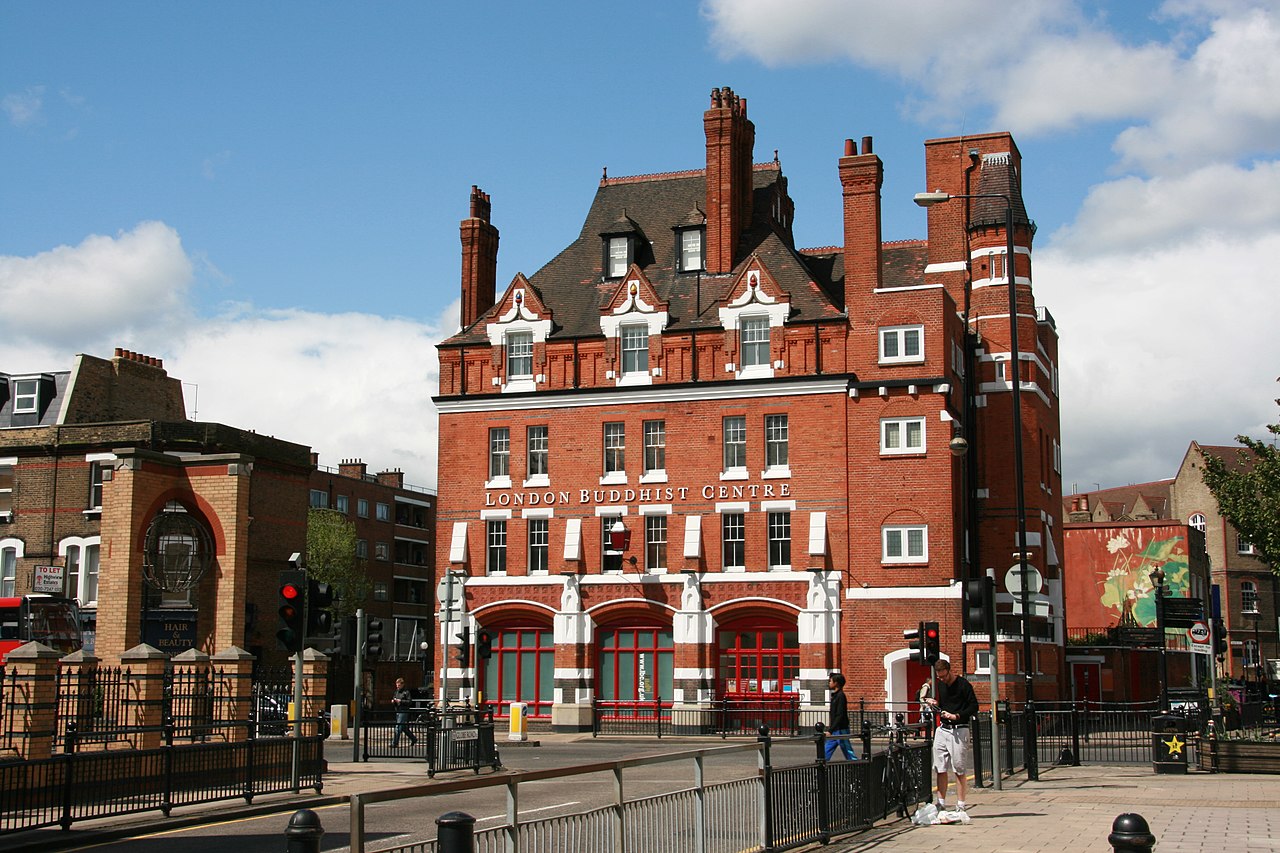


Geography and neighbourhoods
Tower Hamlets sits on low-lying ground along the Thames and includes areas such as Whitechapel, Spitalfields, Bethnal Green, Mile End, Poplar and the Isle of Dogs. The riverside contains former docks and warehouse districts that were redeveloped in the late 20th century. A network of canals, basins and green spaces punctuates the urban fabric, offering recreational routes and links between communities.
History and development
The area grew around maritime commerce and the docks, which shaped its economy and built environment for centuries. Industrial decline in the mid-20th century led to population and economic shifts, followed by waves of housing and commercial redevelopment. Recent decades have seen significant investment in transport, housing and office space, transforming parts of the riverside into major business centres while many residential areas retain Victorian and Georgian streetscapes.
Population, culture and communities
Tower Hamlets is one of London’s most multicultural boroughs. It has long-established communities and newer arrivals, with a wide range of languages, faiths and cultural institutions. Local festivals, markets and community centres reflect this diversity. Social and economic contrasts are visible across the borough, with areas of high wealth adjacent to places with persistent deprivation.
Parks, open spaces and landmarks
Green spaces are important in the borough. Victoria Park is one of the largest and best-known public parks, popular for walking, sport and events; a waterway runs through its boundary providing scenic routes and wildlife corridors. Other smaller parks, canalside promenades and converted docklands offer recreational options and help soften the urban landscape.
Economy, transport and services
The borough’s economy combines local retail and services with national and international finance and professional firms, especially in the redeveloped docklands. Transport links include Underground, Docklands Light Railway, bus and river services that connect to central London and beyond. Public services, schools and health facilities are provided by local authorities and partner organisations to serve a dense and growing population.
Governance and notable facts
Tower Hamlets is governed by an elected local council responsible for planning, housing, education and local services. Its mixture of historic streets, immigrant communities and modern high-rises makes the borough a prominent example of London’s ongoing change. For more information on local attractions and facilities see official listings and visitor guides.
Related articles
Author
AlegsaOnline.com London Borough of Tower Hamlets Leandro Alegsa
URL: https://en.alegsaonline.com/art/59008