
Loch — Gaelic term for lake and sea inlet
Loch is the Gaelic word for a lake or a narrow coastal inlet. Used mainly in Scotland and Ireland, it names freshwater lakes and sea lochs, with distinct pronunciation, etymology, and cultural importance.
The word loch originates in Gaelic and is commonly applied in Scotland and Ireland to refer to a lake or to a narrow arm of the sea. In everyday usage it covers both inland freshwater bodies and saltwater inlets that penetrate coastal land. The term appears widely in place names across Scotland and Ireland and serves as a basic geographic label for many well-known water features, including famous freshwater lochs and sea lochs that shape local landscapes and tourism.
Image gallery
6 Images


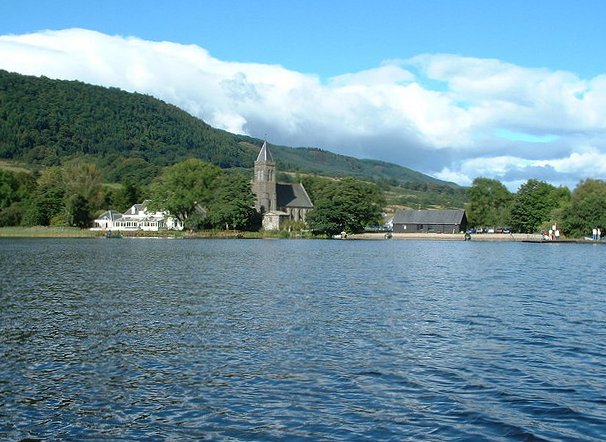

Meaning and pronunciation
Loch denotes a body of water, and its final letters represent a sound unfamiliar to most speakers of modern standard English: a voiceless velar fricative. This guttural consonant is found in several languages and is similar to the sound in German Bach. The phonetic quality of the terminal sound is often preserved in Scottish speech and some regional Irish pronunciations. For general reference see pronunciation notes.
Types and physical characteristics
There are two broad categories of lochs. Freshwater lochs are inland lakes formed by glacial, tectonic or riverine processes; they can be deep and extensive, providing habitats for fish and birds and resources for human settlement. Sea lochs are coastal inlets where sea water extends into narrow valleys; they can resemble fjords and often have strong tidal flows and mixed salinity. Examples of each type appear across the Scottish and Irish coastlines and interior, and some are particularly notable for size or scenery. See Loch Lomond as an example of a large freshwater loch.
Etymology and variants
The modern term derives from older Celtic languages and ultimately from a Proto-Indo-European root meaning a pool or hollow. Linguists trace related words in other Indo-European languages such as Latin lacus. Historical forms and spellings vary: in Ireland the anglicized form lough is common in place names, while in Scotland the spelling loch predominates in both Gaelic and Scots usage. For deeper linguistic background consult resources on the term's origins at etymology sources.
History, naming and cultural importance
Lochs have long been central to human settlement, travel and economy in the British Isles. Many communities grew around lochs for access to fresh water, fishing, transport and defensive advantage. Over centuries loch names became fixed in local languages and maps, a tradition visible in place names that combine topographic and personal elements. The word itself is an everyday Gaelic term; for historical context see Gaelic word and regional usage records in Scotland and Ireland.
Notable distinctions and uses
- Spelling: loch in Scottish contexts; lough frequently in Irish toponymy.
- Hydrology: freshwater versus saltwater lochs have different ecosystems and human uses.
- Cultural: some lochs are linked with folklore and tourism, such as the well-known legends associated with certain sites.
- Practical: lochs are used for recreation, freshwater supply, fisheries, and scenic value in modern economies.
For authoritative place-name entries and maps consult regional gazetteers and compiled surveys. Further reading on specific lochs and their natural history can be found through specialized regional resources and field guides listed in local libraries and archives; see also curated references at Gaelic sources and regional documentation for Scotland.
Additional information and linguistic references are available through general etymology pages and language histories, which discuss the term's relation to other Indo-European words and its adaptation into English and Scots varieties: see Proto-Indo-European links, comparisons with Latin, and regional examples such as Loch Lomond and descriptive resources on coastal inlets identified as sea lochs.
Maps, photographs and site descriptions are widely available; for curated geographic entries and pronunciation guides consult specialized locations and online repositories tagged under local place-name projects in Ireland and national mapping services for phonetic detail.
Related articles
Author
AlegsaOnline.com Loch — Gaelic term for lake and sea inlet Leandro Alegsa
URL: https://en.alegsaonline.com/art/58759