
Loch Morar
Loch Morar is a deep freshwater loch in the West Highlands of Scotland, noted for its depth, glacial origin, local ecology, recreational use and folklore including the legendary 'Morag'.
Overview
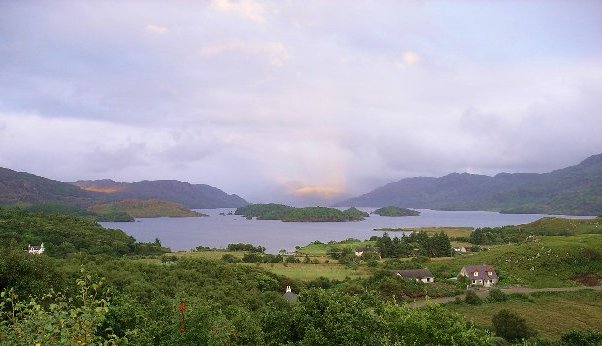
Loch Morar is a freshwater loch in the West Highlands of Scotland, set within the coastal landscape of Lochaber. It is famous for its exceptional depth — commonly recorded at about 310 metres — which makes it the deepest freshwater body in Britain and is frequently cited among the deepest lakes in Europe. The loch sits in a sparsely populated area valued for wide views, rugged hills and clear water.
Image gallery
10 Images



Geology and physical characteristics
Like many Scottish lochs, Loch Morar occupies a glacially over-deepened basin carved during the last Ice Age. Its steep sides and narrow basin profile reflect powerful ice erosion and subsequent post-glacial modification. The depth influences water temperature stratification, clarity and habitats, creating ecological conditions that differ from shallower lochs. The loch drains westwards via the River Morar toward the coast.
Ecology, uses and human presence
The surrounding landscape comprises heath, peatland and rocky slopes that support native plants and wildlife typical of the western Highlands. The loch is used for recreational activities such as angling, boating and diving, and it attracts naturalists and visitors seeking remote scenery. Local settlements, small roads and occasional tourist facilities lie around the loch, but much of the shoreline remains relatively undeveloped.
History, culture and notable facts
Human association with Loch Morar goes back centuries; its name and place in local tradition reflect Gaelic and Highland history. The loch is best known in popular culture for occasional reports of a mysterious creature nicknamed "Morag," akin to other British lake-monster legends. Scientific surveys and diving expeditions have investigated the loch’s depth, geology and biology without confirming any extraordinary claims.
Quick facts
- Type: freshwater loch in the West Highlands
- Depth: commonly cited at about 310 metres, deepest in Britain
- Origin: glacially carved basin
- Uses: recreation, fishing, scientific study
Related articles
Author
AlegsaOnline.com Loch Morar Leandro Alegsa
URL: https://en.alegsaonline.com/art/58755
Sources
- lochmorar.org.uk : "Loch Morar"