
Loch Ness: Scotland’s deep freshwater loch and cultural landmark
Loch Ness is a large freshwater loch in the Scottish Highlands, famed for its depth, volume, the Great Glen Fault, the Caledonian Canal, and the legendary Loch Ness Monster.
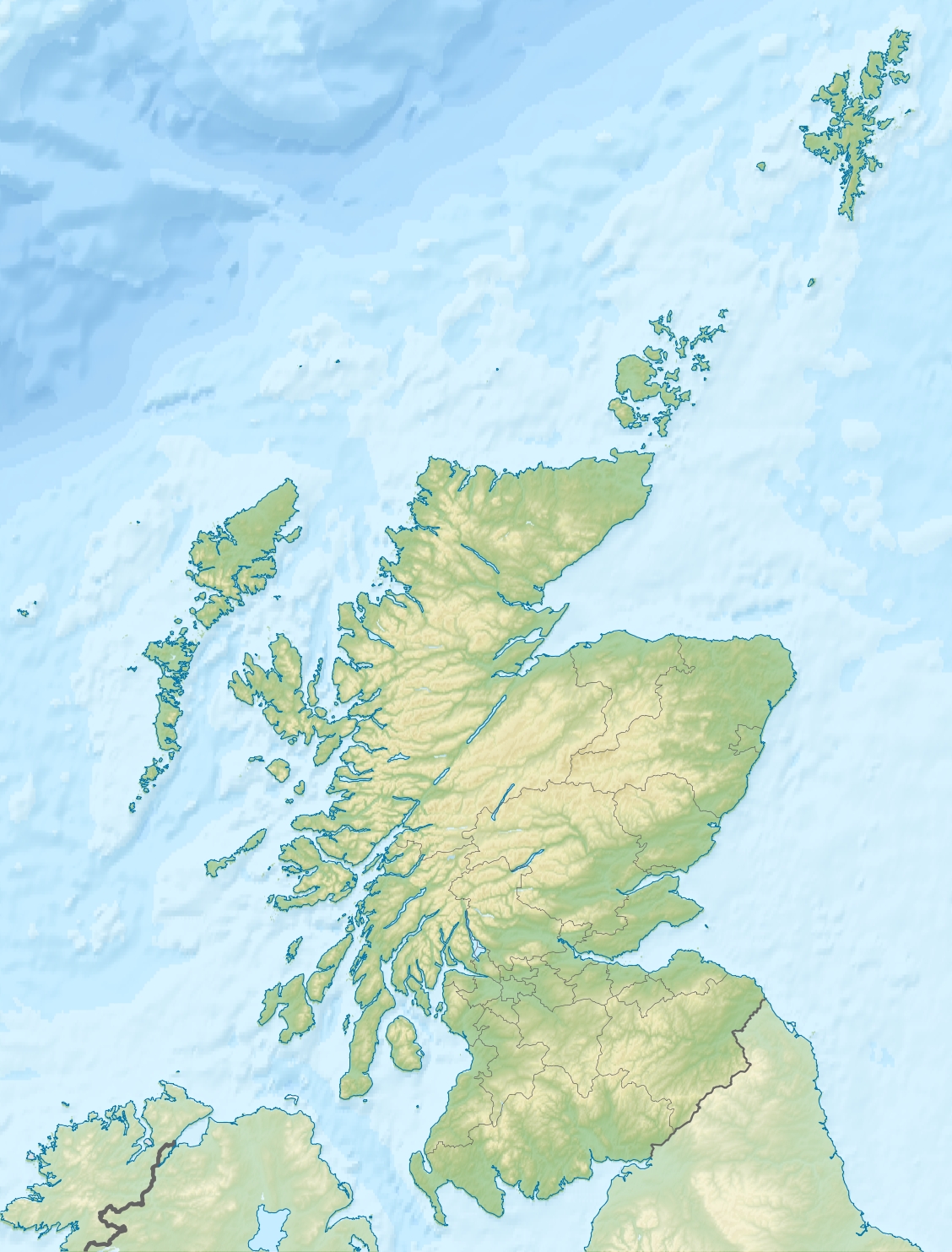
Loch Ness is a large freshwater loch located in the Scottish Highlands. It lies along the Great Glen, a long geological fault line that crosses much of northern Scotland, and forms a central section of the Caledonian Canal, which links the west and east coasts. The loch has become both a natural landmark and a focal point for tourism and scientific study.
Image gallery
10 Images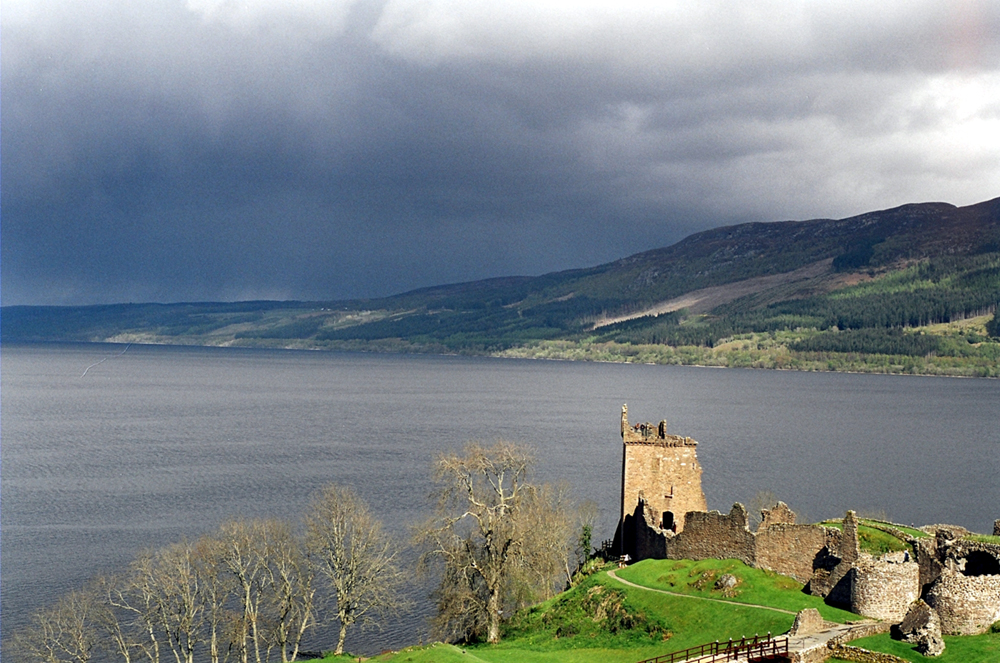




Physical characteristics
Loch Ness is long and narrow, carved by glacial action, and is notable for its great depth and volume. It is commonly described as roughly 23 miles (about 37 km) in length and reaches substantial depth in places. Because of its depth and shape it holds more freshwater by volume than any other lake in Great Britain, a fact often emphasized in descriptions of its scale and influence on local hydrology.
Geology and hydrology
The loch occupies part of the Great Glen Fault, a major fracture in the Earth’s crust that helped determine the alignment of several lochs along the glen. Its basin was deepened by glaciers in successive ice ages. Water flows into and out of the loch via rivers at either end and it forms an integral stretch of the Caledonian Canal, allowing navigation between the firths on Scotland’s opposite coasts.
History, culture and legend
Human activity around the loch dates back centuries; sites such as Urquhart Castle on its shores reflect medieval and later occupation. Loch Ness is also famous worldwide because of the long-running legend of a cryptic creature popularly called "Nessie." This folklore has shaped the local economy and inspired numerous investigations, folklore studies and sonar surveys.
Uses, ecology and notable facts
- Uses: navigation, recreation and tourism centered on sightseeing, boating and visitor centres.
- Ecology: cold, deep waters support species such as salmon and trout; conservation efforts monitor water quality and habitat health.
- Notable: part of the Caledonian Canal system and a scenic stop on Highland routes.
For general definitions and broader context about the type of feature known as a loch, see loch. For information about the wider landscape and communities of the region, see Scottish Highlands.
Questions and answers
Q: What is Loch Ness?
A: Loch Ness is a loch (lake) located in the Scottish Highlands.
Q: What is the Great Glen Fault?
A: The Great Glen Fault is a major geological fault that runs through Loch Ness and parts of the Scottish Highlands.
Q: What was the origin of Loch Ness?
A: Loch Ness was formed as a result of glacial erosion during the last ice age.
Q: What is the size of Loch Ness?
A: Loch Ness is about 23 miles long and over 750 feet deep.
Q: What is the significance of Caledonian Canal in relation to Loch Ness?
A: Loch Ness is part of the Caledonian Canal, which is a waterway that connects several lochs (including Loch Ness) in the Scottish Highlands.
Q: Is Loch Ness famous for anything in particular?
A: Yes, Loch Ness is famous for the alleged sightings of a creature, commonly referred to as the Loch Ness Monster.
Q: What is the present situation of the alleged Loch Ness Monster?
A: The existence of the Loch Ness Monster is still controversial, and there is no concrete evidence to prove its existence. Therefore, the Loch Ness Monster is widely considered a myth or legend.
Related articles
Author
AlegsaOnline.com Loch Ness: Scotland’s deep freshwater loch and cultural landmark Leandro Alegsa
URL: https://en.alegsaonline.com/art/58757
Sources
- nls.uk : "Bathymetrical Survey of the Fresh-Water Lochs of Scotland, 1897–1909"
- scottish-places.info : "Ness, Loch"