
Little Anthony and the Imperials: career, hits, and influence
American vocal group formed in the 1950s, known for doo-wop beginnings and soulful hits such as "Tears On My Pillow" and "Goin' Out of My Head"; notable collaborators include Teddy Randazzo.
Overview
Little Anthony and the Imperials were an American vocal group that rose to prominence in the late 1950s and enjoyed continued success through the mid-1960s. They are best known for blending close-harmony doo-wop vocals with pop and soul arrangements, producing a string of enduring ballads and uptempo singles that crossed racial and generational boundaries. The group's distinctive sound was anchored by the high, emotive lead voice of Little Anthony Gourdine and by smooth backing harmonies that reflected their street-corner origins.
Image gallery
3 Images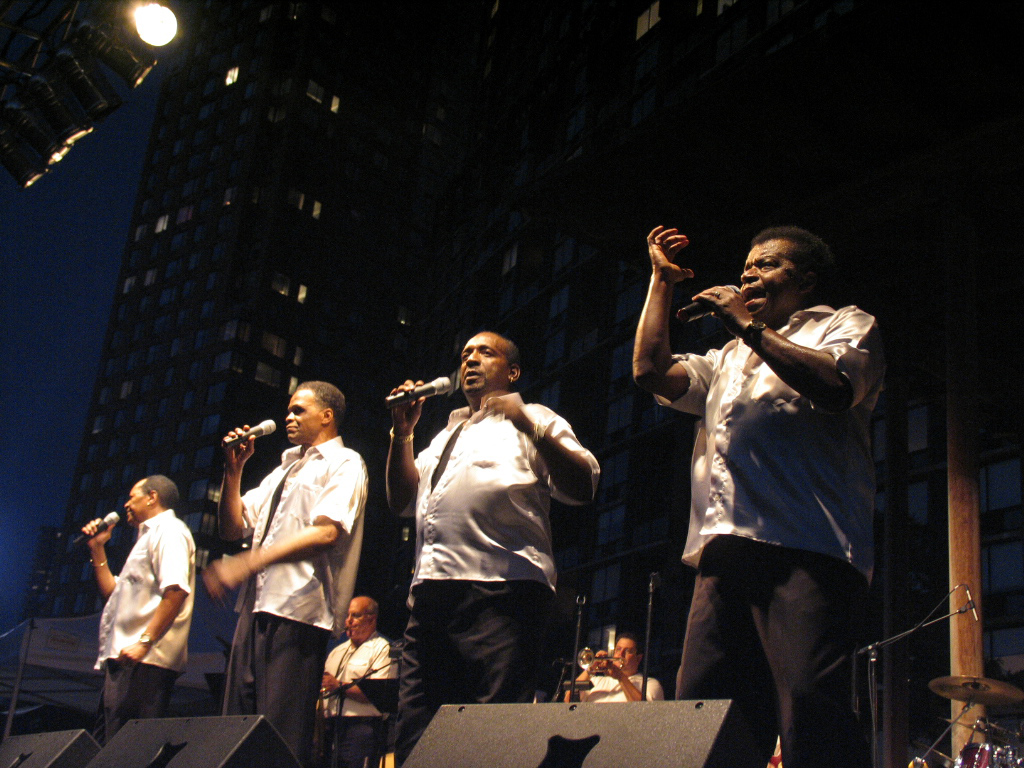


Origins and musical style
The group began as a neighborhood harmony act, performing material typical of postwar vocal groups. Early on they were identified with doo-wop, a vocal-driven style that emphasized tight harmonies, simple arrangements, and romantic themes. Over time they incorporated broader pop and R&B elements, moving toward orchestral accompaniments and more sophisticated song structures while retaining an emphasis on lyrical expression and vocal phrasing.
Major recordings and collaborators
The Imperials recorded several songs that became pop staples and are still frequently played on oldies radio. Among their best-known singles are "Tears On My Pillow," "Shimmy, Shimmy, Ko-Ko Bop," "I'm on the Outside (Looking In)," "Goin' Out Of My Head," and "Hurt So Bad." Their partnership with arranger-producer and songwriter Teddy Randazzo was especially important: Randazzo helped shape the group's move toward lush, emotionally direct ballads. He served as a key producer on several recordings and worked with the group in a co-songwriter capacity, contributing melodies and arrangements that complemented Little Anthony's vocal delivery.
Career arc
The Imperials reached their peak popularity in the late 1950s and early-to-mid 1960s, with charting singles and frequent television and live appearances. As musical fashions shifted in the late 1960s toward rock bands, psychedelic sounds, and new soul idioms, their mainstream presence diminished. The group continued to record and perform into the 1970s and beyond, and Little Anthony maintained a performing career for decades, appearing at nostalgia concerts, revues, and special events that celebrated the early pop and soul era.
Legacy and influence
Little Anthony and the Imperials are remembered for their role in bridging vocal-group doo-wop and orchestral pop-soul. Their recordings have been covered by other artists and sampled or referenced in later popular music. They helped popularize a style of sentimental, melody-driven R&B that influenced singers and groups who valued expressive leads and polished harmonies. Their most successful tracks continue to receive airplay and appear on anthology compilations celebrating mid-20th-century American popular music.
Notable facts
- Lead singer Little Anthony Gourdine was widely praised for his fragile yet powerful tenor and falsetto phrasing.
- Early assignments placed the group squarely in the doo-wop tradition before they moved toward pop and soul arrangements.
- Their best-known singles are often grouped together on greatest-hits collections and retrospective compilations: their hit records remain emblematic of the era.
- Producer and collaborator Teddy Randazzo acted as both producer and co-songwriter on material that defined the group's mature sound.
- Although mainstream chart success waned after the 1960s, members continued to perform the group's repertoire at oldies shows and revival concerts.
The group's combination of close harmony, dramatic lead vocals, and polished arrangements secured their place in the history of American pop and R&B, and their songs continue to be rediscovered by new listeners and preserved on historical compilations.
Related articles
Author
AlegsaOnline.com Little Anthony and the Imperials: career, hits, and influence Leandro Alegsa
URL: https://en.alegsaonline.com/art/58466