
Live album
A live album is a recording of a musical performance captured in front of an audience; it documents the energy of a concert and differs from studio-produced records.
Overview
A live album is a recording made of musicians performing before an audience rather than being produced primarily in a studio. Such recordings aim to convey the immediacy, atmosphere, and interactions of a public performance. Producers and artists decide whether to release a full concert set, selected highlights, or edited compilations from several shows.
Image gallery
8 Images


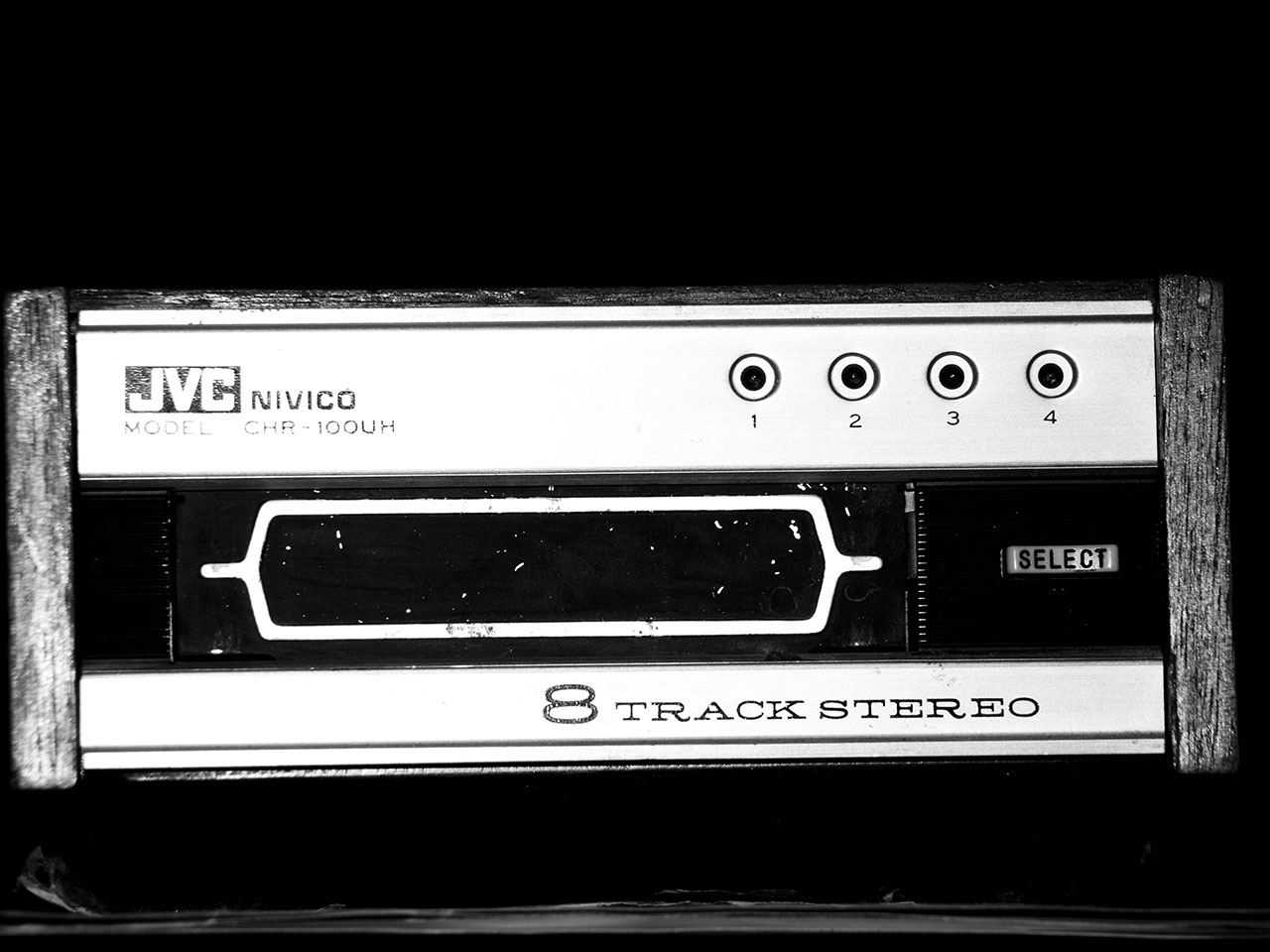


Characteristics and production
Live releases typically include ambient sounds—applause, crowd reaction and venue acoustics—that distinguish them from studio work. Engineers use stage and audience microphones, multitrack capture, and on-site mixing to balance instruments and vocals. Post‑production can involve editing, mixing and sometimes corrective overdubs to fix mistakes while keeping the live feel.
Formats and distribution
Historically issued on vinyl and cassette, live albums later appeared on CD and digital platforms. Some are full single-show documents; others compile the best performances across a tour. Bootleg recordings—unauthorized releases—also exist alongside official live albums, differing in legality and often in sound quality.
History and artistic role
Live albums have played varied roles across musical genres. In jazz and folk they often document improvisation and repertoire in a way studio records do not; in rock and pop they can capture a band’s onstage identity. Record companies and artists have used live releases to fulfill contractual obligations, to provide fans with souvenirs, or to present a definitive version of a song as performed in concert.
Uses and notable distinctions
- Documentation: preserves a particular performance or tour for historical and fan interest.
- Energy and spontaneity: showcases improvisation, audience interaction and extended arrangements.
- Production differences: contrasts with tracks recorded in a controlled studio setting, and with simple field tapes of a live recording.
Listening considerations
Listeners choosing a live album may expect greater dynamics and occasional imperfections. A recording can be from a single stage performance or assembled from multiple nights at different venues. Many releases are marketed as capturing a defining concert moment or as an official representation of an artist’s live sound; liner notes often explain where and how the material was recorded (source details).
Related articles
Author
AlegsaOnline.com Live album Leandro Alegsa
URL: https://en.alegsaonline.com/art/58572