
Doo-wop: American vocal harmony pop from the 1940s–1960s
Doo-wop is a vocal-based R&B/pop style that emerged in mid-20th century African-American communities, known for tight harmonies, nonsense syllables, simple beats, and large influence on soul, pop, and rock.
Doo-wop is a popular music style that grew out of African-American urban communities in the United States during the 1940s and reached broad commercial visibility in the 1950s and early 1960s. Characterized by small vocal groups, close harmony singing and memorable, often romantic songs, doo-wop occupied a space between rhythm and blues and mainstream pop. Its simplicity and emphasis on vocal texture made it accessible for amateur groups while also producing some of the era's most enduring singles.
Image gallery
6 Images


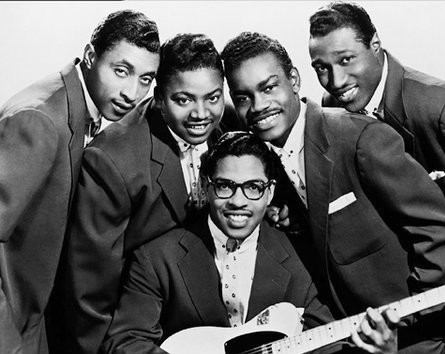

Characteristics
Doo-wop is marked by a lead singer supported by background voices that provide harmonic pads, rhythmic hits and repeating vocal riffs. Groups commonly used nonsense syllables (for example, "doo-wop," "sha-na-na," or "ram-a-lam") to create percussive and melodic backing. Instrumentation ranges from a cappella performance to minimal accompaniment: a simple drum or piano pattern often underpins the vocal arrangement. Typical roles in a group include a high tenor lead, one or more baritones or tenors providing harmony, and a bass singer supplying low countermelodies or spoken lines.
History and development
The form evolved from earlier gospel quartet singing, barbershop harmony and jump blues. By the late 1940s and 1950s amateur singers formed street corner groups, competing in local talent shows and on radio programs. Vocal stylists such as Bill Kenny influenced a popular approach sometimes called the "top and bottom" format, in which a tenor handled the sung lead while a deep bass voice delivered distinctive low lines or recitations. The syllables "doo-wop" began to appear in recordings in the mid-1950s and the word entered printed music commentary by the early 1960s. Regional scenes in cities such as New York, Philadelphia, Chicago and Los Angeles produced many groups and hits.
Notable records and groups
Several recordings are commonly cited as quintessential doo-wop hits, and a number of small vocal groups rose to national prominence in the 1950s and early 1960s. Examples often mentioned include recordings by The Platters, The Drifters, The Penguins, The Marcels and earlier vocal ensembles that influenced the style. The Turbans' 1955 recording "When You Dance" is among early records noted for using the phrase "doo-wop" in its backing vocals. While many singles were produced on independent labels, the sound crossed over to mainstream pop charts and helped shape the industry’s approach to vocal group acts.
Influence, revivals and legacy
Doo-wop played a key role in the development of soul music, pop group harmony, and certain strands of rock and roll. Its emphasis on melody and vocal arrangement carried into 1960s soul and Motown productions and later influenced revivalist movements in the 1970s, 1980s and 1990s that celebrated vocal-group traditions. In the 21st century, some artists and producers draw on doo-wop textures and retro production choices for stylistic effect, producing records that reference the genre’s close harmonies and simple rhythmic drive.
Distinctive facts and listening tips
When listening for doo-wop, pay attention to three elements: the relationship between a prominent lead voice and supporting harmony parts, the use of syllables that function like instruments, and the relative sparseness of instrumental backing. The genre is also notable for how it brought together singers from diverse backgrounds in city neighborhoods and contributed to the broader commercialization of Black vocal music in mid-century America.
Further reading and resources
- Overview and origins
- Mainstream popularity and crossover
- Timeline and charts
- Vocal technique: tenor lead
- Role of the bass singer
- Spoken passages and recitations
- Group harmony structures
- Nonsense syllables and vocal riffs
- Rhythmic patterns in doo-wop
- A cappella and sparse accompaniment
- Early printed uses of the term
- Connections to soul music
- Doo-wop's influence on pop
- Impact on rock and roll
- Links to jazz and improvisation
- Roots in blues traditions
- Later rock artists shaped by harmonies
- 20th-century musical context
- Musical innovations traceable to doo-wop
- Contemporary artists who reference retro styles
- Modern recordings inspired by doo-wop
Questions and answers
Q: What is doo-wop?
A: Doo-wop is a genre of music that was developed in African-American communities in The USA. It started in the 1940s and achieved mainstream popularity in the 1950s and early 1960s. It features vocal group harmony, nonsense syllables, a simple beat, sometimes little or no instrumentation, and simple music and lyrics.
Q: Who is Bill Kenny?
A: Bill Kenny (1914–1978) is often called the "Godfather of Doo-wop". He introduced the "top and bottom" format which featured a high tenor singing the lead and a bass singer reciting the lyrics in the middle of the song.
Q: When did doo-wop first appear in print?
A: The term "doo-wop" first appeared in print in 1961.
Q: What other musical styles influenced doo-wop?
A: Doo-wop was an evolution of jazz and blues, which also influenced many of the major Rock and Roll groups that defined later decades of the 20th century.
Q: How did doo-wop keep time?
A: Doo-wop is iconic for it’s swing-like beats and using the offbeat to keep time.
Q: What artist has recently revived this genre?
A: Meghan Trainor usually makes songs with within this genre, reviving it recently.
Related articles
Author
AlegsaOnline.com Doo-wop: American vocal harmony pop from the 1940s–1960s Leandro Alegsa
URL: https://en.alegsaonline.com/art/28498
Sources
- shsu.edu : Roots of Rock: Doo-Wop
- electricearl.com : "Where'd we get the name doo-wop"
- dailymail.co.uk : "Beyonce's rejection made Meghan Trainor a star"