
Limehouse — East London district on the Thames
Limehouse is a historic Thames-side district in East London within the London Borough of Tower Hamlets, known for its maritime past, canal basin, Georgian church, Docklands regeneration and transport links.
Overview
Limehouse is a district in East London on the northern bank of the River Thames. It lies about 3.9 miles (6.3 km) east of Charing Cross and is administratively part of the London Borough of Tower Hamlets. Historically a maritime and dockside neighbourhood, Limehouse today combines preserved older streets with late-20th-century Docklands redevelopment.
Image gallery
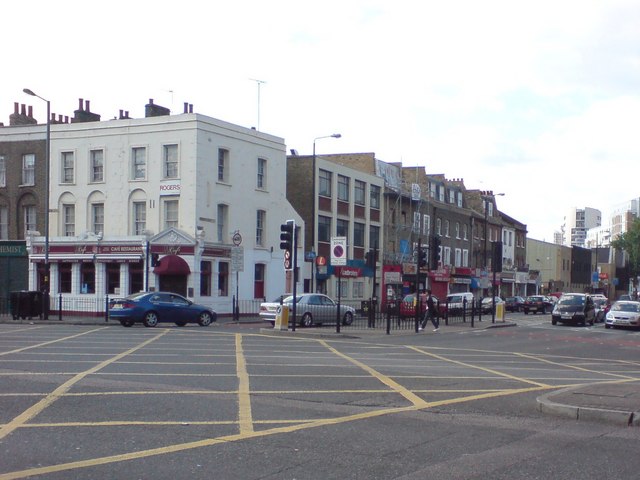
9 Images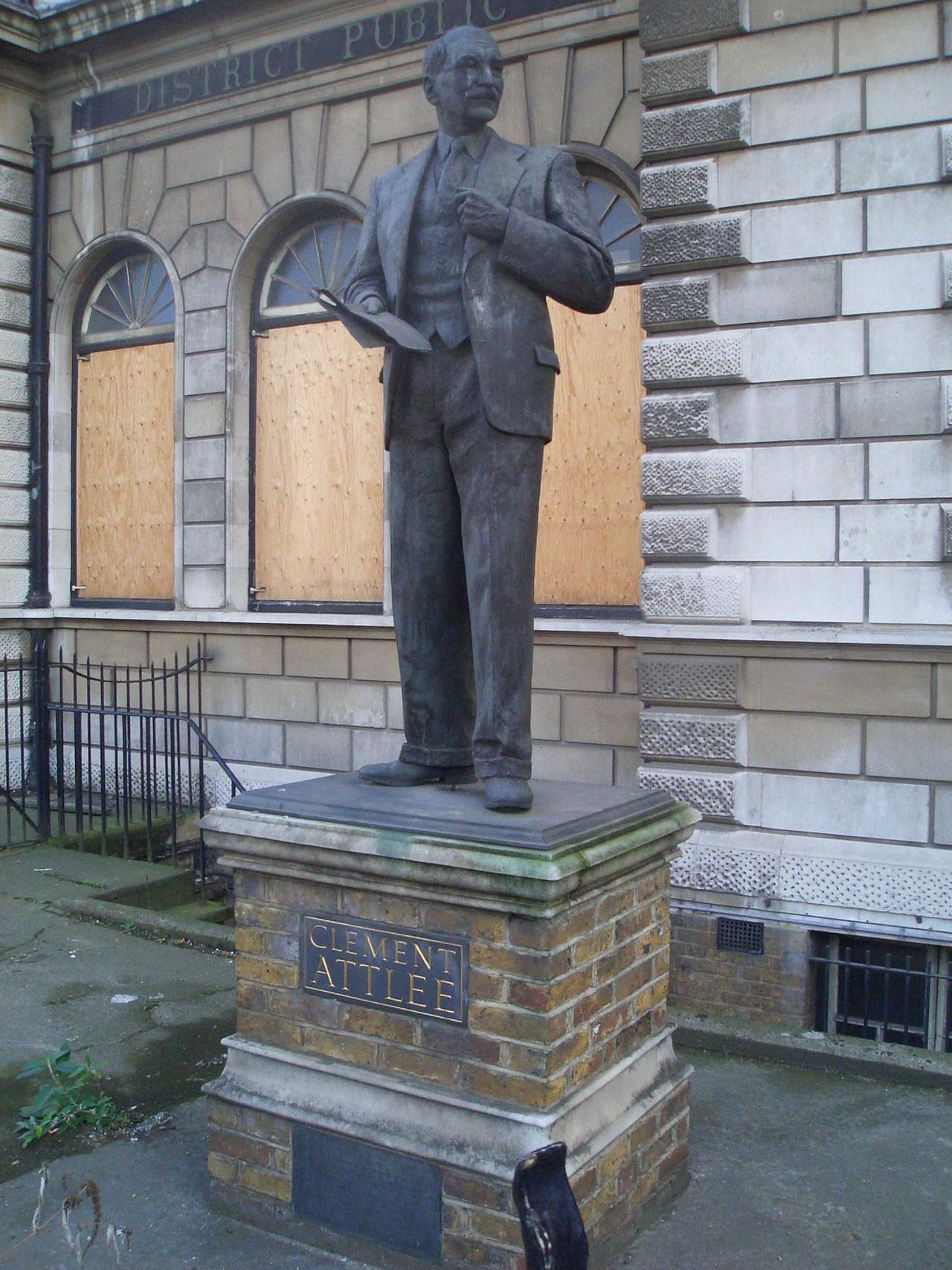



Geography and transport
The area occupies a riverside strip where canals and basins meet the Thames. Limehouse Basin links the Regent's Canal to the river and provides moorings, while the nearby Limehouse Cut and other waterways reflect the district’s industrial past. Public transport is strong: Limehouse station offers rail and Docklands Light Railway (DLR) services that connect to central London and Canary Wharf, and several major roads and pedestrian routes link the neighbourhood to adjacent Docklands and East End areas.
History and development
Limehouse grew from a cluster of riverside trades — shipbuilding, ropeworks, coal and lime wharves — and served sailors and international seafarers. Over centuries this maritime economy shaped the streets and wharves. In the late 20th century, wide-scale Docklands regeneration transformed quays and warehouses into offices, housing and leisure facilities while some historic fabric was conserved.
Landmarks and character
Key landmarks include St Anne’s Church, an important Georgian parish church, Limehouse Basin and surviving riverside warehouses. The neighbourhood retains a mix of small shops, pubs and riverside promenades and is valued for its juxtaposition of historic buildings and modern waterside developments.
Importance and notable facts
- Maritime heritage: docks, basins and canals remain visible in the urban fabric.
- Transport hub: direct DLR and rail links to central London and the financial district.
- Regeneration example: part of the wider Docklands renewal that reshaped East London’s economy and skyline.
Today Limehouse functions as a residential, commercial and leisure quarter that preserves maritime traces while serving as a gateway between the Thames, the Regent’s Canal and the modern Docklands.
Related articles
Author
AlegsaOnline.com Limehouse — East London district on the Thames Leandro Alegsa
URL: https://en.alegsaonline.com/art/58077