
Ligonier, Indiana
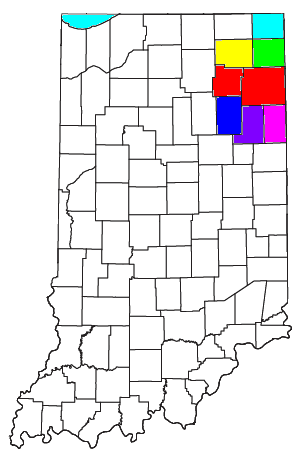
Ligonier is a small city in Noble County in northeastern Indiana, United States, serving a rural region with a compact downtown, local institutions, and a mixed agricultural and light-industrial economy.
Overview
Ligonier is a small city located in Noble County in the northeastern part of the state of Indiana. It is one of many local centers that provide services, schools, and commerce to surrounding rural townships within the United States. The city functions as a community hub for nearby farms and residents.
Image gallery
5 Images



Geography and character
The city occupies a modest footprint typical of Midwestern county towns. Its built environment combines a historic main street, residential neighborhoods, and nearby agricultural land. Ligonier's public spaces include local parks and civic buildings that serve year-round community needs.
History and development
Ligonier developed during the 19th century as settlement of the Midwest expanded. Like many towns in the region, its growth was shaped by agriculture and transportation links that connected farmers and manufacturers to broader markets. Over time the town preserved pieces of its historic downtown while adapting to changing economic patterns.
Economy, institutions, and services
The local economy is a mixture of agriculture, small manufacturing or light industry, retail businesses, and service providers. Residents rely on municipal services, schools, churches, and community organizations that support daily life. Local businesses on the downtown corridor provide goods and services for both residents and visitors.
Culture, events, and attractions
Ligonier maintains community traditions common to small American cities: seasonal events, parades or fairs, and activities organized by civic groups and schools. Visitors often appreciate the town's historic streetscape, locally run shops, and regional character rather than major tourist attractions.
Key characteristics
- Role: Regional service center for surrounding rural area.
- Economy: Mix of agriculture, light industry, and local retail.
- Community: Emphasis on schools, churches, and civic events.
- Historic identity: Preserved downtown elements and 19th-century roots.
For those researching small Midwestern cities, Ligonier illustrates how many such places balance historical heritage with contemporary needs, serving as both residential communities and local economic centers.
Related articles
Author
AlegsaOnline.com Ligonier, Indiana Leandro Alegsa
URL: https://en.alegsaonline.com/art/57981