
Licking County, Ohio — overview, history, and notable features
Licking County, in central-eastern Ohio, centers on the city of Newark. Formed in 1808, it combines agricultural landscapes, important Native American earthworks, parks, colleges and manufacturing within the Columbus region.
Licking County lies in central‑eastern Ohio, within commuting distance of the Columbus metropolitan area. The county was established on January 30, 1808, and the county seat is the city of Newark. According to the 2010 census, the county had 166,492 residents; more recent estimates indicate steady growth influenced by industry and suburban development.
Image gallery
6 Images

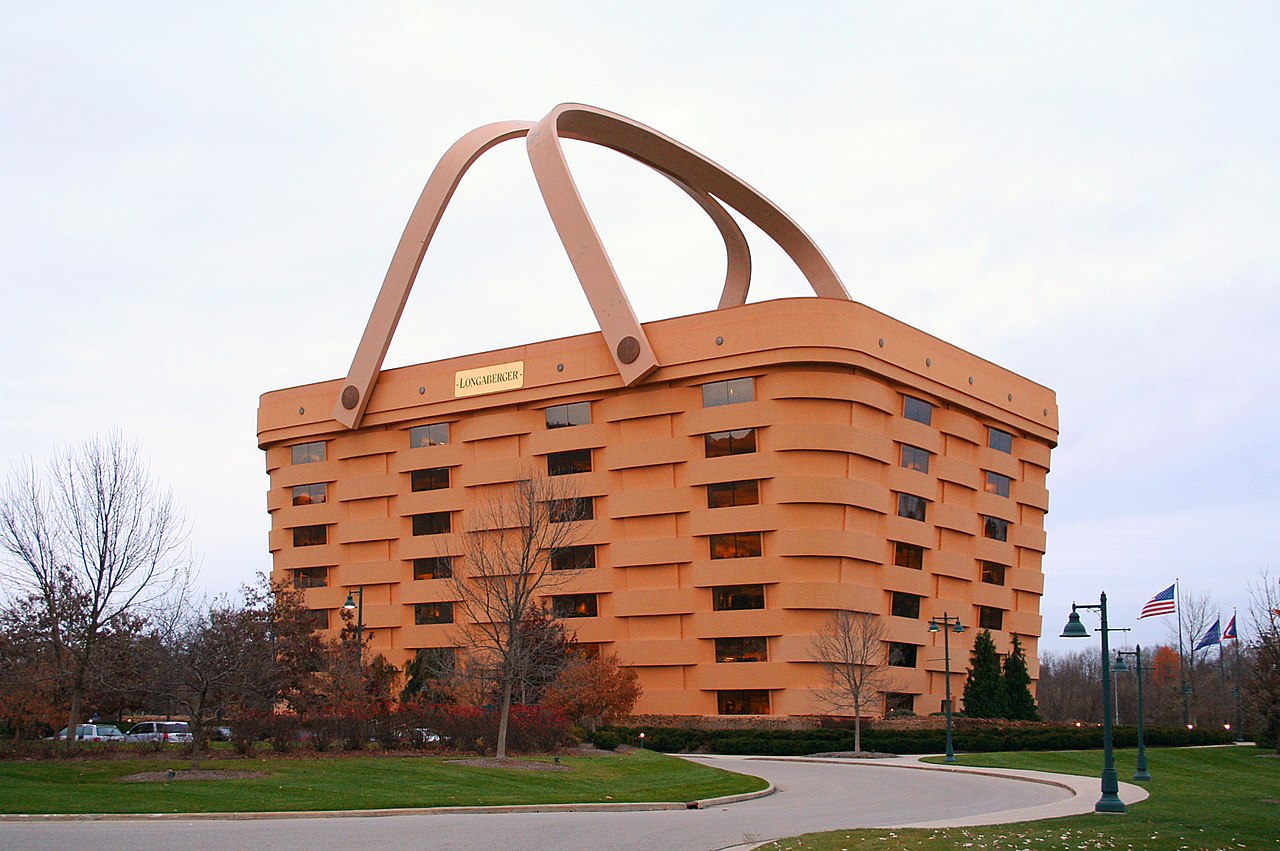


Geography and communities
The county occupies a mix of rolling farmland, wooded ravines and river valleys. It takes its name from the Licking River and the salt licks that attracted wildlife and early hunters. Major transportation corridors cross the area, connecting smaller cities and villages—Granville, Heath, Johnstown and Newark among them—and linking residents to jobs in the wider region.
History and cultural heritage
Long before European settlement, the area was the site of important prehistoric earthworks built by Hopewell culture peoples. The most famous of these, the Newark Earthworks, survive as large geometric mounds and embankments and are recognized for their archaeological significance. Euro‑American settlement accelerated in the early 19th century after the county's formation in 1808, bringing farming, mills and later factories.
Economy, institutions and parks
Licking County's economy blends agriculture, light manufacturing, distribution and local services. Higher education also plays a role: Denison University in Granville and branch campuses such as Ohio State University at Newark contribute to the cultural and educational profile. Recreational and cultural sites include the Dawes Arboretum, Blackhand Gorge nature areas and museums in Newark that preserve local history.
Visiting and notable facts
- Heritage: The Newark Earthworks are a nationally significant archaeological landscape.
- Parks & nature: Several preserves and arboreta protect native plants, trails and scenic river corridors.
- Community life: A mix of small towns and suburban neighborhoods supports festivals, theaters and college events.
For an introduction to local government, services and visitor information, start with county resources and municipal websites. Whether for historical study, outdoor recreation or residential life, Licking County offers a blend of Ohio's rural legacy and modern connectivity to the state's urban centers. Additional context about the county's place within the U.S. state framework and regional planning can be found through official state and local sources.
Related articles
Author
AlegsaOnline.com Licking County, Ohio — overview, history, and notable features Leandro Alegsa
URL: https://en.alegsaonline.com/art/57809
Sources
- quickfacts.census.gov : "State & County QuickFacts"
- naco.org : "Find a County" · web.archive.org
- books.google.com : The Origin of Certain Place Names in the United States