
Lesbos (Lesvos) — Greek island in the northeastern Aegean
Lesbos (Lesvos) is a large Greek island in the northeastern Aegean Sea, known for its capital Mytilene, ancient writer Sappho, olive oil, a petrified forest, notable villages and distinctive cultural history.
Overview
Lesbos, also spelled Lesvos, is a large island of Greece situated in the northeastern Aegean Sea. It forms an important part of the Aegean archipelago and functions as an administrative unit within the modern Greek state, historically listed among the country's prefectures. The island's urban and administrative center is Mytilene, a port city with continuous settlement since antiquity.
Image gallery
10 Images




Geography and natural features
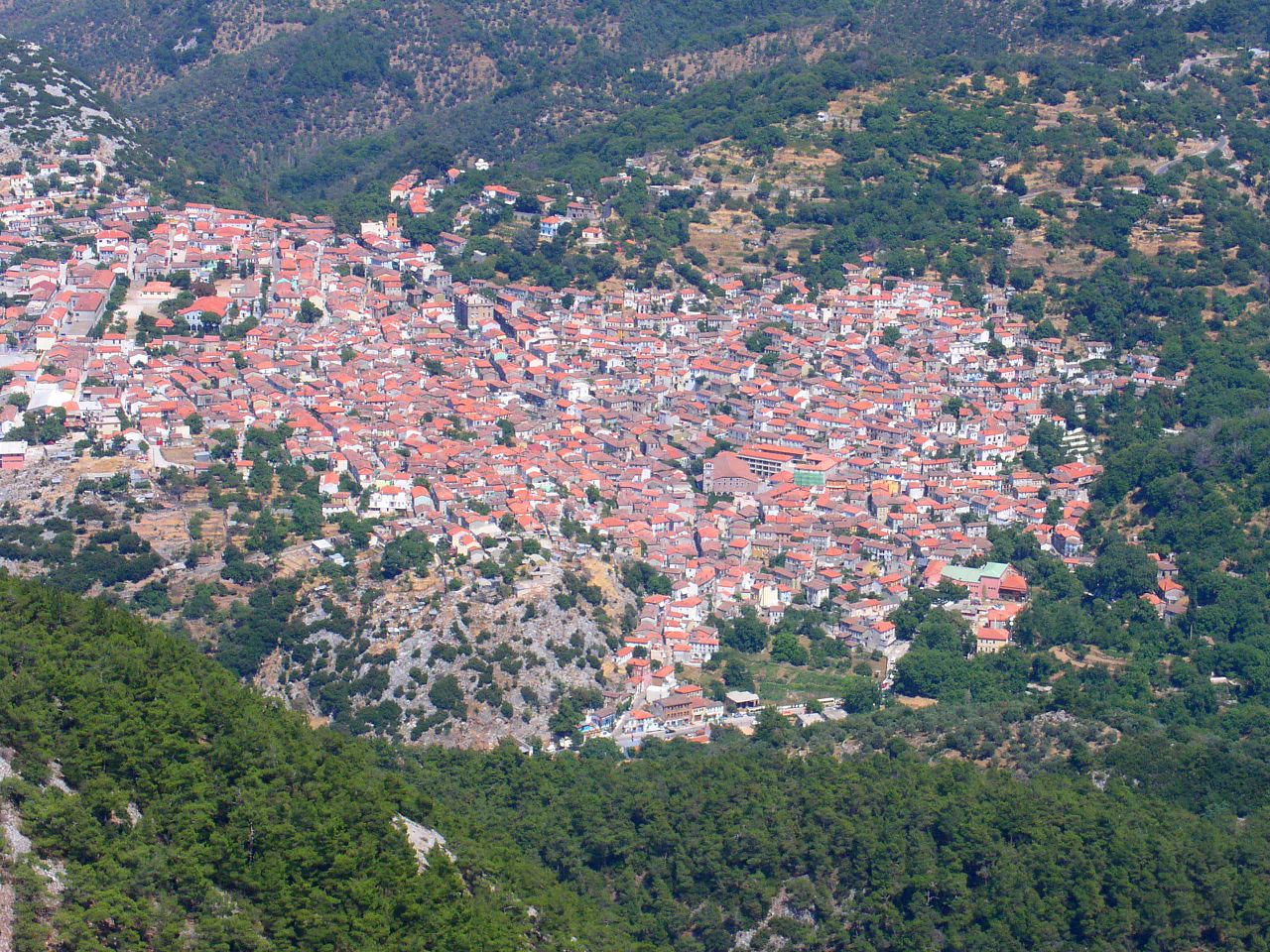
Lesbos has a varied coastline with bays, peninsulas and small harbors. Interior landscapes include olive groves, pine-clad hills and wetlands that support migratory birds. A distinctive geological landmark is the petrified forest — fossilized trees preserved in volcanic sediments — which attracts scientific and tourist interest. Hot springs and salt pans are other natural features often associated with the island's economy and ecology.
History and cultural legacy
The island has a long history of settlement, trade and cultural exchange. In antiquity it was home to Aeolian Greeks and became notable in literature and the arts. In myth, local traditions sometimes invoked figures of Classical Greek mythology as patrons of the island. Lesbos later passed through Byzantine and Ottoman periods before becoming part of modern Greece in the 20th century.
Literary importance and the origin of a word
Lesbos is famed for its association with lyric poetry. The island was the home of the ancient poet often described as an ancient poet, Sappho, whose surviving fragments address love and personal experience. Because of Sappho's poems addressed to women, the English adjective lesbian — originally referring to the island and its culture — became associated with female same-sex desire.
Places of interest and economy
Visitors to Lesbos commonly explore both natural and built heritage. Notable sites include the old towns and castles of coastal villages, the archaeological remains near Mytilene, monasteries and traditional stone villages. Local industries include olive oil production, fishing, small-scale agriculture and tourism. The island is also known for local spirits and cuisine based on olives, seafood and simple rural recipes.
Contemporary role and distinctions
Today Lesbos remains important for its cultural heritage, biodiversity and as a crossroads in the eastern Aegean. Its wetlands and coastal habitats are significant for migrating birds; its towns preserve layers of history from ancient to modern times. The island's identity blends its literary fame, agricultural traditions and role as a regional hub in the northeastern Aegean.
Related articles
Author
AlegsaOnline.com Lesbos (Lesvos) — Greek island in the northeastern Aegean Leandro Alegsa
URL: https://en.alegsaonline.com/art/57413