
Les Misérables (musical)
Sung-through stage musical based on Victor Hugo's novel, composed by Claude-Michel Schönberg with lyrics by Alain Boublil. Long-running international production noted for its emotive songs and epic story.
Les Misérables is a sung-through stage musical adapted from the 1862 historical novel Les Misérables by Victor Hugo. The original French creative team included composer Claude-Michel Schönberg and librettist-lyricist Alain Boublil, with additional French lyrics by Jean-Marc Natel. For English-speaking audiences, Herbert Kretzmer provided an English adaptation of the lyrics and text that has become the most widely performed version (Herbert Kretzmer).
Image gallery
6 Images


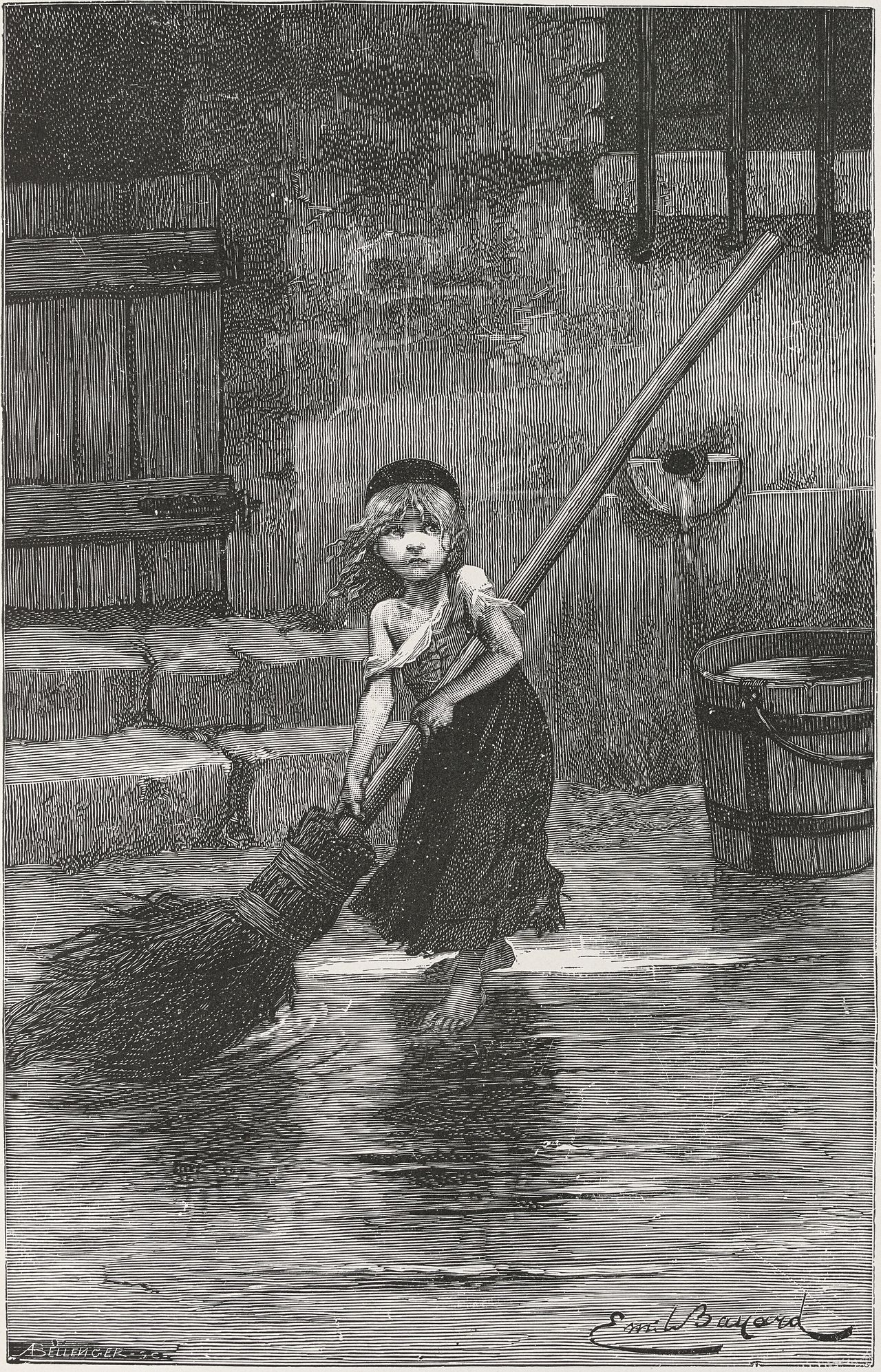


Origins and major productions
The musical premiered in Paris in 1980 and was reworked for an English-language staging that opened in London in 1985, where it became a West End staple (London, West End). Its Broadway debut followed in 1987 and brought international recognition to the show (Broadway). Over the years it has received major theatre awards including a Tony Award for Best Musical and a Drama Desk Award for Outstanding Musical (Tony Award, Drama Desk).
Structure, score and notable songs
Les Misérables is largely sung-through, meaning most of the narrative is delivered in sung recitative rather than spoken dialogue. Its score blends sweeping orchestration with intimate ballads and ensemble anthems. Songs that have entered popular recognition include "I Dreamed a Dream," "Bring Him Home," "On My Own," and "Do You Hear the People Sing?" These numbers highlight the musical’s emotional range—from personal tragedy and longing to collective resistance.
Characters and themes
The central storyline follows Jean Valjean, an ex-convict striving for redemption, and his conflicted pursuit of moral renewal beneath the unyielding scrutiny of Inspector Javert. Other principal figures include Fantine, Cosette, Marius, Éponine and the students who form the backdrop of revolutionary action. Major themes are justice and mercy, law and conscience, sacrifice, love, and the social conditions that drive people toward revolt.
Production style and legacy
Staging of Les Misérables often emphasizes a large ensemble, layered choral writing and a rotating set or simple scenic devices that evoke crowded streets, barricades and prison cells. Its emotional storytelling and memorable tunes have made it one of the most frequently produced musicals worldwide and a long-running fixture in the West End and on tour. The story has been adapted into concert versions, filmed stage performances and a 2012 screen musical directed by Tom Hooper starring Hugh Jackman, Russell Crowe and Anne Hathaway.
Why it matters
- It translated a sweeping 19th-century novel into a musical form that foregrounds human emotion and social conscience.
- The combination of memorable songs and a morally complex narrative helped broaden the musical’s audience beyond theatre regulars.
- Its global reach and frequent revivals have kept the work in public view, influencing later large-scale musicals and popular perceptions of Hugo’s novel.
For readers seeking to explore further, many recordings and cast albums document the score’s evolution, and numerous stage productions worldwide present varying interpretations of the work’s political and personal conflicts. The musical remains a major cultural touchstone for adaptations of classic literature into popular musical theatre.
Related articles
Author
AlegsaOnline.com Les Misérables (musical) Leandro Alegsa
URL: https://en.alegsaonline.com/art/57366