
Learner's permit: purpose, requirements, restrictions, and progression
A learner's permit (driver's permit/learner's license) allows supervised driving while new drivers meet age, testing and experience requirements before earning a full licence.
Overview
A learner's permit (also called a driver's permit, learner's license, or provisional permit) is an official authorization that lets a person practise driving under supervision before they qualify for a full driving licence. It exists to give new drivers a legal, controlled way to gain experience on public roads while ensuring basic knowledge of traffic laws and minimum safety standards.
Image gallery
1 Image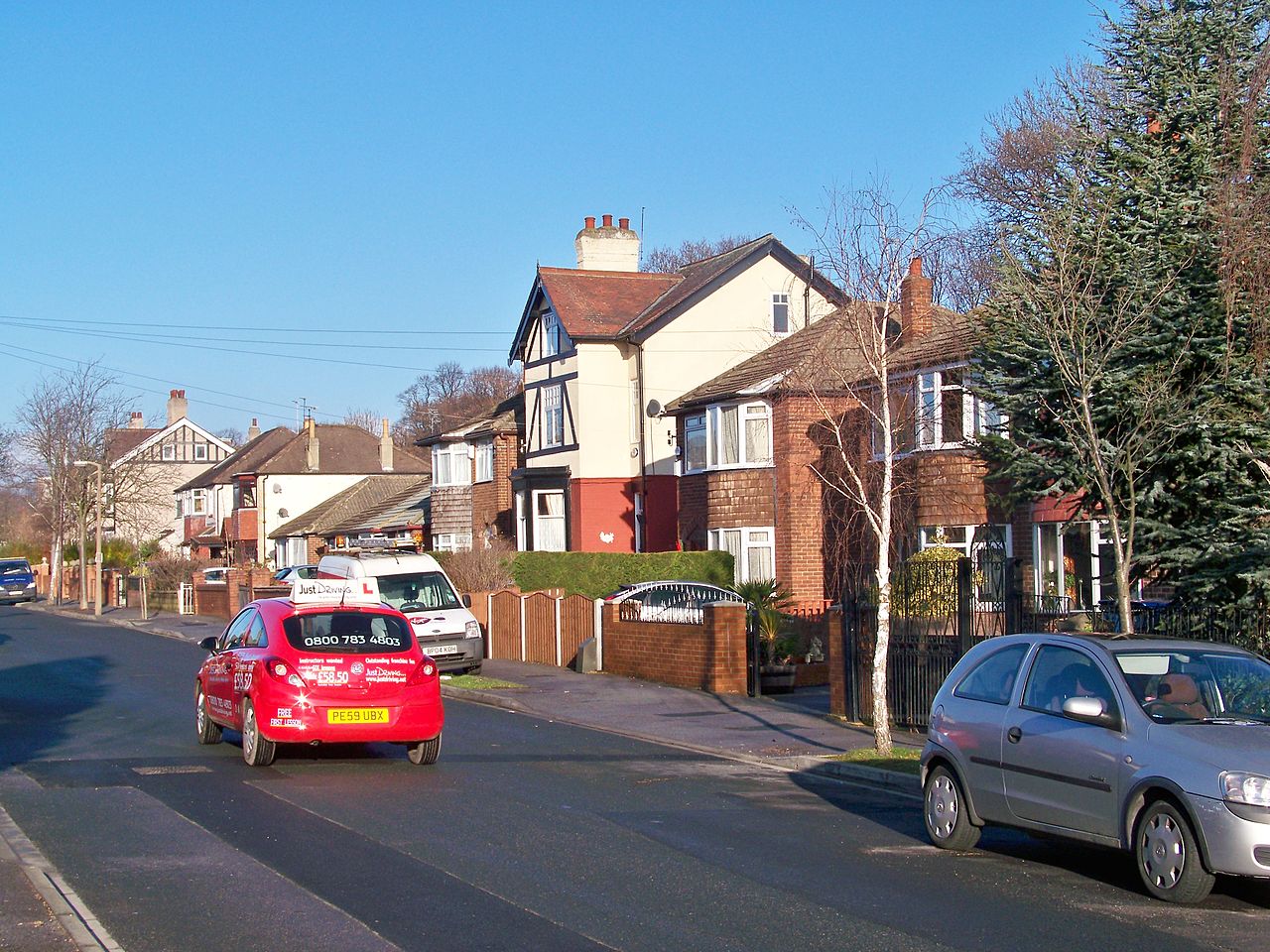
Typical requirements
Although exact rules differ between countries, most jurisdictions require the following before issuing a learner's permit:
- Passing a written or computerized test on road signs, rules and safe driving practices (see a local resource here).
- A basic eyesight or vision screening to confirm the applicant can read road signs from a safe distance (example materials on road signs and rules).
- Meeting a minimum age, which commonly ranges from the mid-teens to late teens depending on the jurisdiction.
- Sometimes providing parental consent or proof of identity and residence.
Common restrictions and conditions
Permits usually include restrictions designed to limit risk while the driver is still learning. Typical limits include:
- Requirement to be accompanied by a fully licensed adult in the passenger seat.
- Display of a visible sign or plate (often an "L" plate) on the vehicle to identify the driver as a learner.
- Zero or very low permitted blood alcohol concentration for the learner while driving (alcohol and driving guidance).
- Restrictions on towing, carrying certain numbers of passengers, or driving at night in some areas.
- Mandated supervised driving hours or a minimum holding period before a practical test is allowed.
Progression to full licence and purpose
The learner's permit is one step in a graduated licensing system used in many places. Its primary purposes are to ensure novice drivers learn traffic laws and gain practical road time in lower-risk conditions, and to give licensing authorities a way to check readiness via practical and theoretical assessments. After completing required supervised hours and the permit period, candidates generally take a road skills test; passing that test leads to a provisional or intermediate licence with its own conditions, and eventually to an unrestricted full licence.
Variations and an example
Specific rules vary widely. For instance, in Victoria, Australia, applicants must be at least 16 years old and pass a written road rules test and a vision check to obtain a learner permit. The Victorian test and permit system includes a range of requirements such as displaying L plates, being supervised by a fully licensed driver, adherence to a zero-alcohol rule, and a minimum supervised driving period including a required number of logged hours before taking a practical driving test. See a regional example source Victoria information or broader national guidance Australia driving rules.
History, importance and safety considerations
Learner permits emerged as motor vehicles became common in the 20th century and governments introduced licensing to improve road safety. Their effectiveness depends on proper supervision, realistic testing, and graduated exposure to driving challenges. For learners and supervisors, best practices include using a calm instructor, practicing in a variety of conditions (day/night, wet/dry, highways), keeping distractions to a minimum, and logging supervised hours carefully. Local driving authorities provide the official steps, testing materials and legal obligations, so prospective drivers should consult their regional licensing office for current rules and resources (local licensing).
Understanding how a learner's permit works helps new drivers gain competence while reducing risk to themselves and others. Because rules vary, always check the precise requirements, restrictions and recommended training in the relevant jurisdiction before beginning supervised driving.
Related articles
Author
AlegsaOnline.com Learner's permit: purpose, requirements, restrictions, and progression Leandro Alegsa
URL: https://en.alegsaonline.com/art/56795
Sources
- vicroads.vic.gov.au : "How to get your car learner permit : VicRoads"